Can You Paint Outside in Cold Weather?
Published on: April 26, 2026 | Last Updated: January 29, 2026
Written By: Alisha Winters
Cold weather is when it’s chilly outside, like when your ice cream melts fast. It makes you want to bundle up in a cozy blanket.
Can you paint outside in cold weather? It’s super important to know if the paint will work well when it’s frosty. I remember trying to paint a fence on a crisp morning—what a challenge that was!
In this guide, we’ll cover cold weather definitions, preparation steps, effective painting methods, paint palettes, suitable types of paint, outdoor factors, common issues, finishing touches, and some fun DIY project ideas on can you spray paint in the cold.
Can You Paint Outside in Cold Weather?
You can paint outside in cold weather, but it’s tricky. Ideal temperatures range from 50°F to 85°F (10°C to 29°C). Below 35°F (2°C), paint thickens and dries slowly, causing issues. If you’re curious about alternative painting techniques, you might want to explore painting tips and techniques. So, check the forecast before you start!
What is Considered ‘Cold Weather’?
Cold weather is typically defined as temperatures below 40°F (4°C). In some areas, anything below 32°F (0°C) indicates frost, while extreme cases can reach -20°F (-29°C) or lower.
When it gets cold enough, you might wonder, “Can you paint outside in cold weather?” I’ve had my share of chilly painting projects, and let me tell you—it’s a completely different experience!
One way I’ve used cold weather to my advantage is by exploring spray paint options. Temperatures below 50°F (10°C) significantly affect how spray paint performs. It doesn’t matter if you’re asking how cold is too cold to spray paint or looking for tips on paint drying time; low temperatures can dramatically extend drying times, leading to frustration. If you want to ensure optimal results, you might want to learn more about baking Rustoleum spray paint techniques.
Preparation Steps Before You Start Painting
What do you need to paint outside in cold weather?
- High-quality exterior paint: Choose a product like Sherwin-Williams Duration. It ensures adherence and lasting results in temperatures as low as 4°C (40°F).
- Low-temperature paint thinner: Use a product like Klean-Strip Enamel Thinner. It’s essential for maintaining the right texture and performance in cold weather.
- Thermal gloves: Get a pair of Arctic Extra Warm Insulated Gloves. They’ll keep your hands warm and provide better control in chilly conditions.
- Heat lamps: A 1500-watt heat lamp warms surfaces before applying paint. This helps the paint adhere and dry efficiently at temperatures below 10°C (50°F).
So far we covered the essential preparations needed before starting your painting project. Let’s look at effective painting techniques in cold weather next.
Also See: Can Rain Damage Car Paint? Protect Your Vehicle!
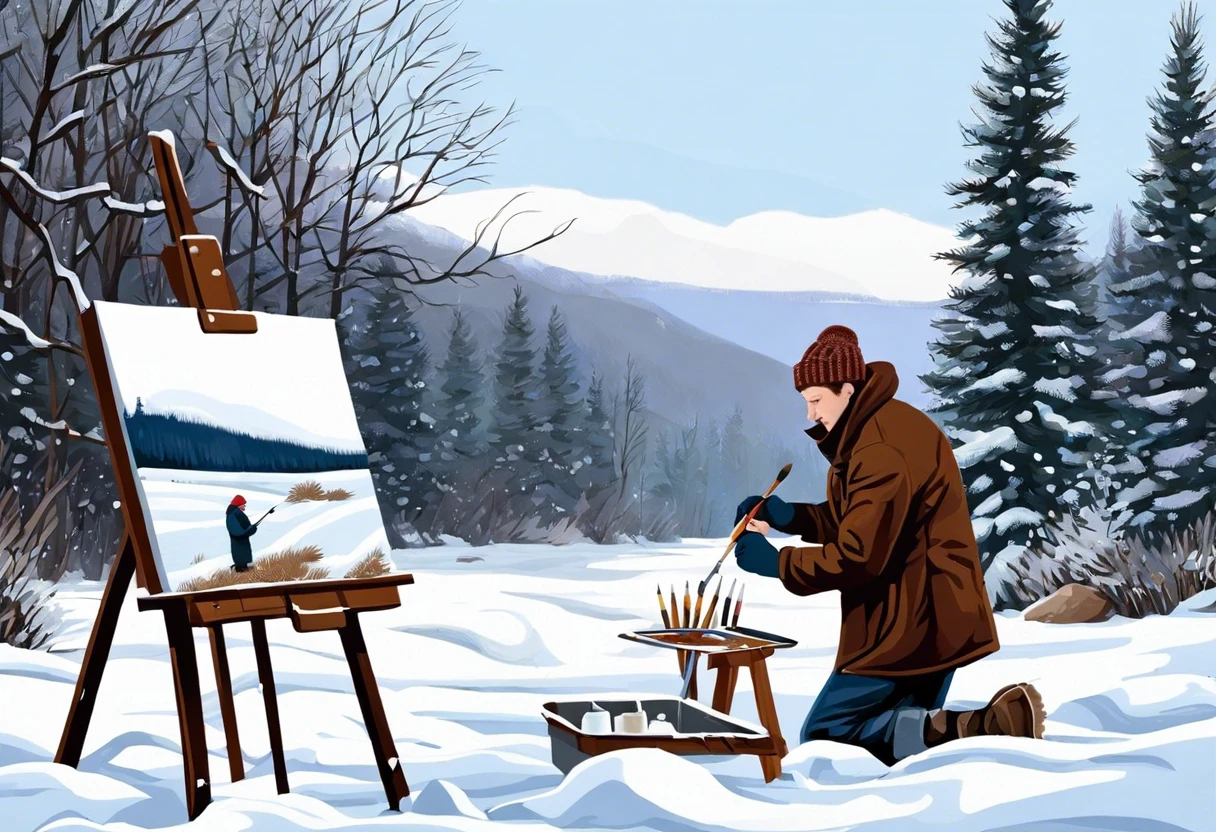
Steps to Effectively Paint in Cold Weather
Here are steps to tackle outdoor painting during colder days. Follow each closely for the best results!
-
Check the Weather Forecast
Monitor the weather in your area for the next few days. Aim for temperatures above 50°F (10°C) with low humidity for optimal paint curing.
Cold, damp days can delay drying, risking runs and bubbles. Ensure no rain’s in the forecast for at least 24 hours after painting.
-
Select the Right Paint Type
Use paint specially formulated for cold weather. Oil and some latex paints can become thick, affecting coverage.
Look for labels indicating cold weather use; these maintain proper consistency down to 35°F (1.5°C). Test the paint at lower temperatures to see how it behaves.
-
Prepare Your Surface
Clean the surface thoroughly for proper adhesion; grime can hinder progress. Scrub down as needed, and remove any frost or moisture before painting.
Always follow up with a primer designed for cold temperatures; it prepares surfaces for the final coat. A good primer is vital; it prevents peeling in unpredictable conditions!
-
Use Heat Sources if Necessary
Consider setting up temporary heaters or heat lamps to raise the ambient temperature. Position them safely away from flammable surfaces and allow the area to warm up before starting.
You can also wrap paint containers in heat lamps to keep the paint warmer and easier to use. Ensure the heat isn’t too intense, as excessive heat can alter your paint’s properties.
We’ve wrapped up the steps for painting in cold weather here. Let us turn our attention to types of paint suitable for cold conditions.
Types Of Paint Suitable for Cold Weather Applications
Let’s explore the types of paint suitable for cold conditions: latex, enamel, spray paint, and specialty coatings.
-
Latex Paint
Latex paint works best when temperatures are above 50°F (10°C). It dries slowly in low temperatures, which can lead to poor adhesion.
-
Enamel Paint
Enamel paint performs well down to 35°F (1.7°C). It’s moisture-resistant, making it suitable for chilly weather, though finish times may vary.
-
Spray Paint
You can use spray paint in cold weather when the temperature is at least 40°F (4°C). Shake the can thoroughly for even application, as cold affects its effectiveness.
-
Specialty Cold-weather Paints
Some paints are specially designed for cold weather, working in temperatures as low as 35°F (1.7°C). These thick formulations set quickly, creating a durable finish.
From my experience, I always prefer specialty cold-weather paints. They save time and ensure a reliable finish when temperatures drop.
So far we covered various types of paint suitable for cold weather. Let’s look at the factors influencing outdoor painting in cold temperatures.
Factors Affecting Outdoor Painting in Cold Temperatures
What factors impact outdoor painting when temperatures drop? Consider these.
-
Temperature: Paint needs at least 10°C (50°F) to cure properly; below this, curing slows and the finish suffers.
-
Humidity: High humidity can prevent paint from drying properly, causing drips and uneven coats.
-
Type of Paint: Some paints, especially oil-based, require warmer temperatures to perform well; water-based paints handle cooler conditions better.
-
Sunlight Exposure: Direct sunlight can raise surface temperatures, aiding paint curing, so choose your spots wisely!
You should now have a good understanding of elements impacting outdoor painting in cold conditions. In the next part, we’ll discuss typical challenges when painting outdoors in cold temperatures. If you’re curious about painting specific surfaces like painting baseboard heaters effectively, we’ll explore those techniques too.
Common Issues When Painting Outside in Cold Weather
Last winter, my friend decided to touch up her fence. It was 40°F (4°C), and she complained that the paint wouldn’t stick. Brrr! Cold air slows down paint drying, which can cause drips and smudges.
When painting in cold conditions, knowing the right techniques can save your project. If you’re wondering about paint compatibility and application methods, painting techniques matter significantly.
To fix this, use specially formulated cold-weather paint. Ensure temperatures stay above 35°F (2°C) for better adhesion. Monitor humidity—ideally below 85%—to help it cure properly.
Understanding the Impact of Temperature Fluctuations
When painting outside in cold weather, temperature swings can be a real game-changer. Fluctuations during the day or night can affect your paint’s performance and drying time.
Why Temperature Fluctuations Matter
Temperature changes can cause issues like blushing or poor adhesion. Here’s a closer look:
- Day vs. Night: Daytime temperatures may be above 50°F (10°C), but nighttime drops can affect curing. Always check nighttime lows!
- Sun Exposure: Areas in direct sunlight can heat up, while shaded spots stay chilly. This can lead to uneven drying and color inconsistencies.
- Humidity levels: Cold spells often come with high humidity. High moisture can lead to longer drying times and improper adhesion.
Impact of Cold Weather on Paint Curing Times
It’s crucial to know how cold affects your paint’s drying and curing times. Let’s dig into the details!
| Paint Type | Ideal Curing Temperature | Typical Drying Time (Cold Weather) |
|---|---|---|
| Latex Paint | Above 50°F (10°C) | 24-48 hours |
| Oil-based Paint | Above 65°F (18°C) | 8-12 hours |
| Cold-weather Paint | Down to 35°F (1.7°C) | 1-4 hours |
| Spray Paint | Above 40°F (4°C) | 30-60 minutes |
Temperature-Specific Painting Techniques
Using the right techniques helps when painting outside in cold weather. Here are some tailored approaches:
- Use a Paint Conditioner: Helps improve flow and spread in low temps, especially for latex paints.
- Heat-Up Surfaces: Keep surfaces warm before applying paint, for better adhesion. A heat gun ⭐ Top Rated: Dual-Temperature Heat Gun → can work wonders!
- Thin Your Paint Slightly: Adding a little thinner can keep the paint from becoming too thick in the cold, ensuring smooth application.
- Use Smaller Sections: Apply paint to smaller areas at a time to prevent lines and ensure even coverage.
Best Practices for Painting During a Cold Snap
Dealing with a cold snap? Here’s how to adapt your approach effectively:
| Practice | Description | Effectiveness |
|---|---|---|
| Use Heat Sources | Set up heat lamps or temporary heaters before starting to raise surface temperatures. | High |
| Work During Warmest Part of the Day | Schedule painting when temperatures peak and the sun shines. | Moderate |
| Keep Tools Warm | Store brushes and rollers in a warm area to prevent paint from thickening. | High |
| Mix Additives | Additives can help improve flow and curing in lower temperatures. | Moderate |
Finishing Touches for a Successful Cold Weather Painting Project
After painting outdoors in chilly conditions, cure your paint for at least 72 hours at temperatures above 10°C (50°F). Avoid moisture for the best adhesion and finish.
Inspect the paint’s consistency to ensure it feels smooth, even below freezing. Use a product like Behr Premium Plus and check for any frost or rigidity on the surface.
If you have years of experience, use indoor infrared heaters to maintain at least 15°C (59°F) in your work area for optimal results.
Frequently Asked Questions About Painting Outside in Cold Weather
Can You Paint in Rainy Weather?
Yes, you can’t paint in rainy weather. Rain can dilute your paint and ruin the finish. Ideally, you want dry conditions for at least 24 hours after painting to ensure proper adhesion and drying.
What Temperature is Too Cold to Paint Outside?
The temperature that’s too cold to paint outside is generally below 10°C (50°F). At temperatures below this, paint can thicken and won’t adhere properly, causing adhesion issues.
How Long Does Paint Take to Dry in Cold Weather?
In cold weather, paint takes longer to dry. Usually, oil-based paints dry in about 8-12 hours, while latex paints may take 24 hours or more in temperatures below 10°C (50°F).
Can I Use a Paint Additive for Cold Weather?
Yes, you can use a paint additive for cold weather. These additives help improve flow and drying time, even as temperatures drop, making it easier to achieve a smooth finish.
Is It Safe to Paint Outside in Windy Conditions?
No, it’s not safe to paint outside in windy conditions. Wind can blow dust and dirt onto your fresh paint, ruining the finish. It’s best to wait for calmer weather.
What’s the Ideal Temperature for Painting?
The ideal temperature for painting is between 10°C to 30°C (50°F to 86°F). Paint adheres best, dries uniformly, and maintains the right consistency in this temperature range.
How Long Should You Wait Between Coats in Cold Weather?
In cold weather, you should wait 12-24 hours between coats. Knowing the drying time can prevent issues and ensure a solid finish on your project.
Conclusion
We covered preparation steps, factors affecting painting, suitable types of paint, a recommended color palette, and common issues when painting outdoors in cold weather.
So, can you paint outside in cold weather? Yes, but temperatures should ideally be above 50°F (10°C) for success. By using the right paint and techniques, you can tackle your projects and avoid issues like freezing paint or improper adhesion.
For additional insights and guidance, visit Paint Answers.
Additional Resources
- Loomis, A. (2011). Figure Drawing for All It’s Worth. New York, NY: Titan Books.
- 6 Cold Weather Painting Tips For Your Home | Ricciardi Brothers
- How To: Paint In Cold Weather – The Craftsman Blog
Experienced interior designer with 15+ years in transforming spaces, blending artistry with expertise in color and design. Rhode Island School of Design graduate, specializing in restorations and modern makeovers.
Health, Misc.