How to Seal Body Paint?
Published on: March 12, 2026 | Last Updated: January 29, 2026
Written By: Alisha Winters
Body paint is like magic paint that turns your skin into a canvas. Imagine bright colors and fun designs decorating you wherever you go!
Learning how to seal body paint is super important because it keeps your art safe and vibrant. From my experience, using the right sealers makes your masterpiece last longer and look even better.
In this article, you’ll discover what body paint is, preparation steps before sealing, a step-by-step guide, types of sealers, factors that affect sealing, common issues, and some creative DIY project ideas. You’ll get tips on how to seal face paint and how to use water-activated face paint too!
How to Seal Body Paint?
To seal body paint, use a setting spray or powder. Lightly mist the spray or dust the powder over the painted area. This helps to lock in the color and make it smudge-proof. If you’re exploring creative painting techniques, epoxy painting techniques can expand your artistic skills. Remember to let it dry completely!
What is Body Paint?
Body paint is a form of art that uses specially formulated pigments applied directly to the skin. These paints are often water-based, non-toxic, and comply with safety standards, such as FDA regulations in the U.S. Professional artists often explore various painting techniques and mediums.
Many artists prefer body paint for its vibrant colors and ease of use. I remember the first time I sealed my artwork; the right sealant transformed the piece, helping it retain its fresh look throughout the celebration.
I often used body paint for events, immersive experiences, and festivals. It’s amazing how a bit of artistry enhances the atmosphere. When discussing how to seal body paint, I realized that a reliable seal is crucial. Whether for costumes or creative projects, a secure finish makes all the difference!
Preparation Steps: Before You Start Sealing Body Paint
What do you need to prepare for sealing body paint?
- Body Paint: Use high-quality brands like Kryolan or Face Paint by Wolfe for vibrant colors and better sealant adhesion.
- Setting Powder: Consider products such as Ben Nye Final Seal or Laura Mercier Translucent Powder to mattify and lock in the paint.
- Sealant Spray: Look for reliable sprays like Graftobian or Mehron Barrier Spray for added protection against smudging.
- Face Wipes: Use gentle face wipes like Simple or Neutrogena for quick cleanup of mistakes before sealing.
- Brushes and Sponges: Flat brushes and makeup sponges, like those from Urban Decay, are ideal for even product application.
We covered preparation steps for sealing body paint. We will now cover a step-by-step guide for the sealing process.
Also See: How to Oil Paint a Rose? A Simple Step-by-step Guide!
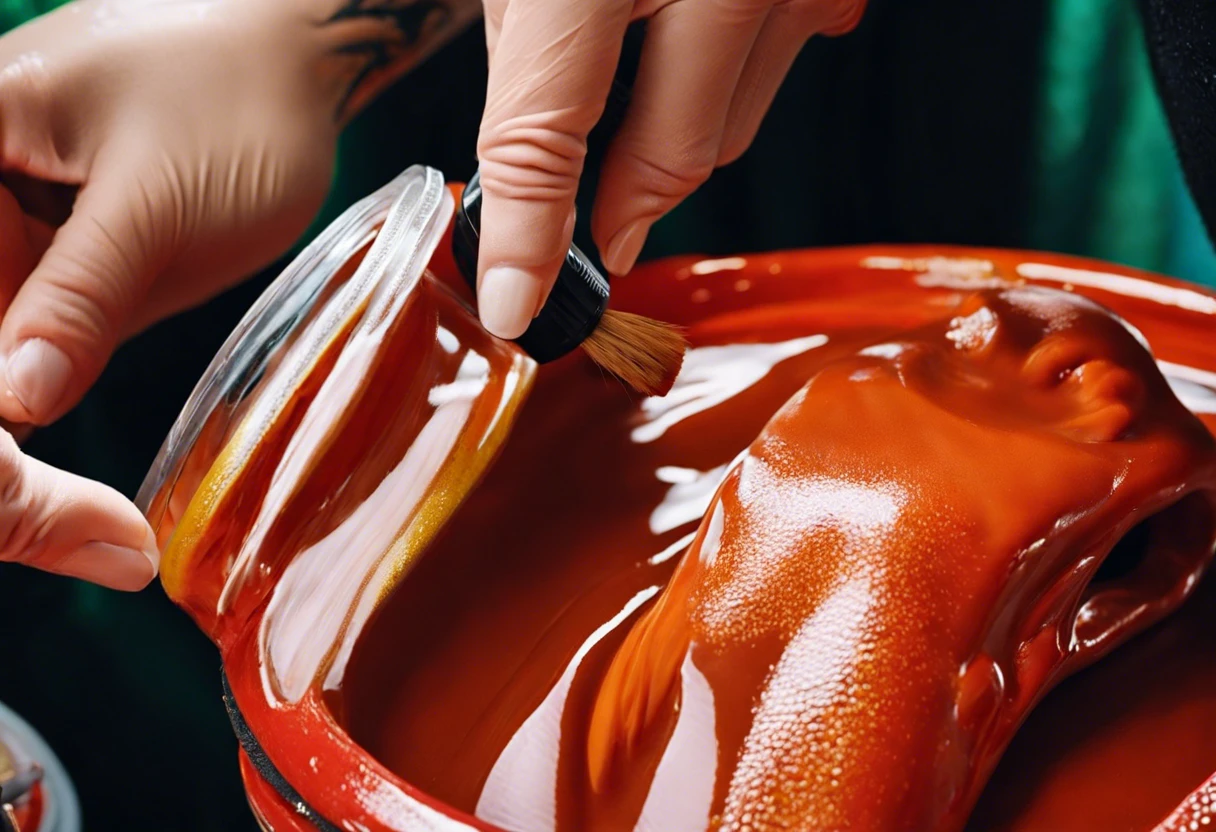
Step-by-step Guide to Sealing Body Paint
Here are the steps for sealing body paint to ensure lasting results.
-
Choose the Right Sealer
Select a sealer designed for body paint. Look for skin-safe, waterproof options, especially if you plan to wear the paint for long periods.
Consider using an aerosol spray for even coverage, aiming for a distance of about 6 inches (15 Cm) from your skin. Test the sealer on a small area first to assess the effect before full application.
-
Apply the Sealer Evenly
Lightly spray or brush the sealer onto your painted skin. Ensure all painted areas are covered with a uniform layer to avoid patchiness.
Working in sections helps maintain control. Avoid heavy blobs; aim for a thin layer for the best adhesion and finish.
-
Allow to Dry Completely
Let the sealer air dry for about 10–15 minutes, or until it’s fully dry to the touch. Make sure you’re in a well-ventilated area to speed up the drying process.
Patience is vital—rushing compromises your sealed paint, making it vulnerable to smudging. If applying makeup afterward, wait longer or repeat the sealing process for added durability.
That covers the process of sealing body paint. Let’s now take a look at various types of sealers for body paint.
Types Of Sealers for Body Paint: A Comprehensive Overview
Let’s explore the different types of sealers: spray sealers, liquid sealers, powder sealers, and demarcation sealers.
-
Spray Sealers
Spray sealers protect your body paint quickly. They create a fine mist that dries evenly, providing a protective layer in about 10 to 15 minutes.
-
Liquid Sealers
Liquid sealers come in bottles and require a brush or sponge. They’re great for a more concentrated seal but often take up to an hour to dry.
-
Powder Sealers
Powder sealers absorb moisture and create a matte finish. Apply it after painting, and it sets quickly—often within 5 minutes—keeping your look fresh.
-
Demarcation Sealers
These specially designed sealers suit intricate designs. They define edges and help colors stay crisp, with a settling time of about 20 minutes.
Through trial and error, I’ve found that spray sealers work best for me. I love how quickly they set, and they keep my paint vibrant without that sticky feel!
That covers various sealer types for body paint. Let’s now take a look at selecting the appropriate sealing method.
Choosing the Right Sealing Technique for Body Paint
Diving into sealing body paint means picking the right technique for lasting results.
Different Sealing Techniques
- Aerosol Sprays: Ideal for even coverage. Hold the spray can about 6 inches (15 cm) away from your skin. A quick mist locks in colors and prevents streaks.
- Brush Application: Use soft brushes for precision. This is great for detailed areas but can take longer than spray methods.
- Sponging Method: Lightly dab a damp sponge with sealer. This technique works well with liquid sealers, creating a soft finish.
Advantages & Disadvantages of Each Technique
| Technique | Advantages | Disadvantages |
|---|---|---|
| Aerosol Sprays | Fast application, even coverage | Can miss spot coverage if too far |
| Brush Application | Precise for detailed work | Time-consuming, may leave brush strokes |
| Sponging Method | Soft, blended finish | Requires dampness, can dilute paint if too wet |
I’ve played around with these techniques, and I love how each offers unique benefits. It really comes down to what look you’re aiming for and how much time you have!
We have now covered selecting appropriate sealing techniques for body paint. The next section discusses factors influencing the sealing process.
Factors Affecting the Sealing Process Of Body Paint
What factors influence the sealing process of body paint? Here are a few to consider.
-
Type of Paint: Different body paints react differently to sealers, affecting durability.
-
Application Technique: Proper techniques can eliminate streaks and ensure even sealing.
-
Weather Conditions: Humidity and temperature can slow drying, impacting the seal’s strength.
-
Choice of Sealer: Using the wrong sealer can cause peeling or fading of the paint.
Important Considerations for Sealing Body Paint
When sealing body paint, there are key factors that can influence the outcome. Understanding these will help you achieve the best results.
- Skin Type: Oily skin may require a different type of sealer than dry skin. Test on a small area first!
- Paint Type: Water-based paints often seal differently than alcohol-based paints. Choose wisely for best results.
- Timing: Apply sealers promptly after paint dries, but not too soon. Ideally, wait 10-15 minutes to allow the paint to set.
Measuring the Effectiveness of Sealers
Let’s check how effective different sealers can be. Here’s a quick table that compares common sealers based on multiple factors.
| Sealer Type | Durability (hours) | Water Resistance | Recommended Skin Type |
|---|---|---|---|
| Airbrush Sealant | 8-12 | High | All skin types |
| Aerosol Spray | 4-8 | Medium | Oily skin |
| Powder Sealer | 6-10 | Low | Dry skin |
From my experience, airbrush sealants tend to last much longer and protect really well against moisture. Have you tried them?
Special Techniques for Different Occasions
Your sealing technique can change based on different occasions. Here’s what I suggest:
- Festivals: Go for a strong spray sealant to combat sweat and dancing! Waterproof is a must.
- Photo Shoots: Use a matte powder for a flawless finish. It keeps the shine down, giving you that professional look.
- Cosplay Events: Consider a high-durability liquid sealer to hold up against longer wear times. It’s all about comfort and performance!
Remember, the right technique can make your art pop in any setting! Which event are you gearing up for?
Common Issues When Sealing Body Paint and How to Avoid Them
My friend struggled with uneven sealing after using water-activated face paint. The result? Patchiness on a hot day—yikes!
To fix this, use a waterproof sealant like mastix solvent. Spray from 12 inches (30 Cm) away for even coverage and let it dry for 10 minutes.
Finishing Touches: Enhancing Your Body Paint Look
After sealing your body paint, apply a lightweight setting spray. Use products with silica (Silicon Dioxide, Sio2) for a matte finish that lasts 10 hours or more.
Inspect your body paint for smudges or uneven areas. Pay attention to sensitive spots, like your oversized inspirations—headbands made with slick, oil-based materials. Contact me for advice!
If you’re experienced, use a professional-grade barrier spray to extend longevity. Choose brands with high ethanol content—ideally 20% or higher—for effective results on high-risk areas!
FAQs About Sealing Body Paint
What is the Best Way to Seal Body Paint?
Yes, using the best way to seal body paint will ensure longevity and durability. Typically, a good body paint sealer creates a protective layer that locks in color while being skin-friendly. Look for sealers with ingredients sensitive enough for skin, such as silicone or alcohol-based options.
Can I Use Regular Paint Sealer on Body Paint?
No, you can’t use regular paint sealer on body paint. Regular sealers often contain harsh chemicals that can irritate the skin. Instead, opt for products specifically designed for body art to maintain skin safety and comfort. If you’re looking for professional-grade paint solutions, check out specialized body paint protection.
How Long Does Sealed Body Paint Last?
Sealed body paint can last anywhere from 4 to 24 hours, depending on the products and conditions used. Factors like humidity, sweat, and the type of event can all influence its longevity. So keep these in mind when preparing for an event. If you want to explore the nuances of paint durability, check out some professional alkyd paint techniques.
What Should I Do if the Paint Peels Off?
If the paint peels off, it’s crucial to gently reapply the product. That’ll help restore your look. Before reapplying, clean the area and allow it to dry for best results. Always choose paints made for the skin to prevent further peeling.
Is Body Paint Waterproof After Sealing?
Yes, body paint can be waterproof after sealing depending on the right products. A waterproof sealer locks moisture out, providing a durable finish. However, check product labels since not all sealers offer 100% waterproof properties. If you’re unsure about the best application techniques, primer can enhance paint durability.
How Can I Remove Body Paint Safely?
Use a gentle facial cleanser to remove body paint safely. Regular makeup removers often work as well. This method prevents skin irritation while ensuring all paint comes off smoothly, leaving you ready for the next event. If you’re curious about broader painting techniques, painting walls with acrylics offers additional creative possibilities.
What Ingredients Should I Avoid in Body Paint?
Avoid body paints containing harmful ingredients like heavy metals, parabens, or alcohol. These can cause adverse skin reactions. Opt for body paints with natural components to keep your skin healthy and avoid unnecessary irritation. When applying body paint, you’ll want to ensure smooth application and prevent unwanted streaks by mastering professional painting techniques.
Do I Need a Primer Before Applying Body Paint?
Yes, using a primer before applying body paint is highly recommended. A primer creates a smooth base and enhances the paint’s adherence to your skin, ultimately improving the paint’s longevity and visual appeal. If you’re curious about applying paint over different surfaces, you might want to explore techniques for painting different materials.
Conclusion: Mastering the Art Of Sealing Body Paint for Stunning Results
We’ve reached the conclusion, and I hope you found this guide informative. We discussed body paint, essential preparation steps, a detailed step-by-step process, recommended color palettes, types of sealers, factors influencing sealing, common challenges, and creative DIY project ideas.
To effectively seal body paint, begin by applying the appropriate sealer once the paint is dry. Consider your surface and the desired longevity of your paint, whether for just a few hours or several days. By following these guidelines, you’ll achieve a flawless finish with minimal touch-ups, enhancing your overall body painting experience.
If you’ve enjoyed this guide, explore more valuable insights and resources on Paint Answers.
Additional Resources
- Smith, R. (2003). The Artist’s Handbook of Materials and Techniques (5th ed.). New York, NY: Knopf.
- How To Seal Water-Based Body Paint – Breanna Cooke
- How to Make Body Paint Waterproof?
- Body Paint Tutorial | Cosplay Amino
Experienced interior designer with 15+ years in transforming spaces, blending artistry with expertise in color and design. Rhode Island School of Design graduate, specializing in restorations and modern makeovers.
Epoxy, Medium