Can You Paint A Brick House?
Published on: April 11, 2026 | Last Updated: January 29, 2026
Written By: Alisha Winters
A brick house is a building made of small, hard blocks called bricks. They’re sturdy and colorful, almost like big, pretty candies stacked up together.
You might wonder, can you paint a brick house? It’s super important to choose the right paint. I’ve seen too many folks dive in without knowing the risks, and it can end in a messy situation.
In this guide, we’ll explore important things to consider before painting your brick house, the steps for a great finish, color choices, types of paint to use, and common problems you might face. We’ll also talk about how to remove paint if things go sideways, giving you a complete picture—whether you’re curious about how to paint exterior brick or DIY project ideas.
Can You Paint a Brick House?
Yes, you can paint a brick house. Just ensure the surface is clean and dry. Use a high-quality exterior paint designed for masonry. Remember, painting over brick changes its texture and appearance permanently. If you’re considering this home improvement project, painting brick surfaces requires careful preparation.
What is a Brick House?
A brick house is a structure primarily made from fired clay bricks. These homes offer durability, energy efficiency, and a lifespan often exceeding 100 years. Many buildings constructed in the 19th century still stand strong today.
Now, can you paint a brick house? I once painted a brick home for a friend, and the transformation was stunning—those dark red bricks became a striking white.
I explored techniques for painting over brick. I learned that understanding the porous nature of bricks is crucial when considering how to paint exterior brick, as it affects paint adherence and longevity.
Important Considerations Before You Start Painting a Brick House
What do you need?
- Quality Masonry Paint: You’ll need paint like Benjamin Moore Aura or Valspar Masonry Textured Paint. It’s designed for brick surfaces and lasts longer in various weather conditions.
- Paint Sprayer: A device like the Wagner Control Pro 130 is essential. It provides an even finish and speeds up application compared to brushes.
- Masonry Primer: Consider Sherwin-Williams Loxon or Zinsser Cover Stain. Priming seals pores and improves paint adhesion.
- Stiff Brush: Use a stiff-bristle brush like a Wooster to clean bricks before applying any products. Clean surfaces are crucial for proper paint adherence.
- Drop Cloths: Use affordable options like AmazonBasics or similar brands. They protect your landscaping and keep the area tidy during painting.
We have now covered key factors to consider before painting a brick house. Next, we will explore the steps to paint it successfully.
Also See: How Much Can 1 Quart Of Paint Cover? Coverage Details

Steps to Successfully Paint a Brick House
Here are the steps to efficiently paint your brick house for a fresh new look.
-
Assess the Condition Of Your Brick
Check for cracks or loose mortar. Repair any damaged areas before painting to prevent moisture issues or peeling paint.
Ensure the brick surface is clean and free from efflorescence (White Powder) or mold. Scrub with a wire brush and a mix of mild detergent and water.
-
Choose the Right Paint for Brick
Select a high-quality masonry paint specifically designed for brick. Avoid standard exterior paint, as it won’t adhere well and could peel over time.
Use a breathable paint that allows moisture to escape, helping to prevent damage. Latex-based paint is durable and easy to clean with just soap and water.
-
Prepare the Brick Surface
Clean the brick surface thoroughly; a pressure washer works well. A stubborn residue can ruin your paint job if you skip this step.
Allow the brick to dry for at least 24 hours before painting to ensure no moisture remains in the pores.
-
Apply Primer to the Brick
Use a masonry primer compatible with your chosen paint. Apply it with a roller for large areas and a brush for tricky spots to ensure even coverage.
This step helps the paint adhere better and enhances color depth. Wait at least 4-6 hours before painting, allowing the primer to cure fully.
-
Paint the Brick House
Starting from the top down, use high-quality masonry paint and work your way down. This technique prevents drips and helps cover missed spots.
Apply at least two coats for an even, vibrant finish. Watch for loose bricks – a stronger paint isn’t necessarily better; it should match the brick type for optimal results.
We’ve wrapped up the steps for successfully painting a brick house. Let us turn our attention to suitable paint types.
Types Of Paint Suitable for a Brick House
Let’s discuss the types of paint: latex, masonry, epoxy, and concrete stain.
-
Latex Paint
Latex paint is water-based and allows the brick to breathe. It’s ideal for exterior use, interacts well with moisture, and is easy to clean.
-
Masonry Paint
Masonry paint is designed for porous surfaces like brick. Its thick texture covers imperfections and offers excellent durability against weather changes.
-
Epoxy Paint
Epoxy paint contains a resin component, providing high durability and adhesive qualities. It’s great for long-lasting finishes but requires careful application due to its stickiness.
-
Concrete Stain
Concrete stain penetrates the surface, offering a translucent finish that highlights the brick texture. This stain provides a pleasing aesthetic without obscuring the brick’s natural look.
Through experience, I’ve found masonry paint to be the best choice for a brick house. It withstands harsh weather and enhances appearance, making it my top pick.
We have now covered suitable paint types for a brick house. Next, we will discuss factors influencing the painting decision.
Factors Affecting the Decision to Paint a Brick House
What factors influence painting a brick structure? Let’s dive in.
-
Brick Absorption – Different brick types absorb paint differently, affecting the final appearance.
-
Condition of the Brick – Damaged or weathered (Worn) bricks may need repair before painting.
-
Type of Paint – The right coating ensures durability and a polished finish.
-
Local Climate – Humidity and temperature can affect how well paint adheres to brick.
We have now covered the elements influencing the choice to paint a brick house. Next, we will discuss common challenges encountered during the painting process.
Common Issues When Painting a Brick House
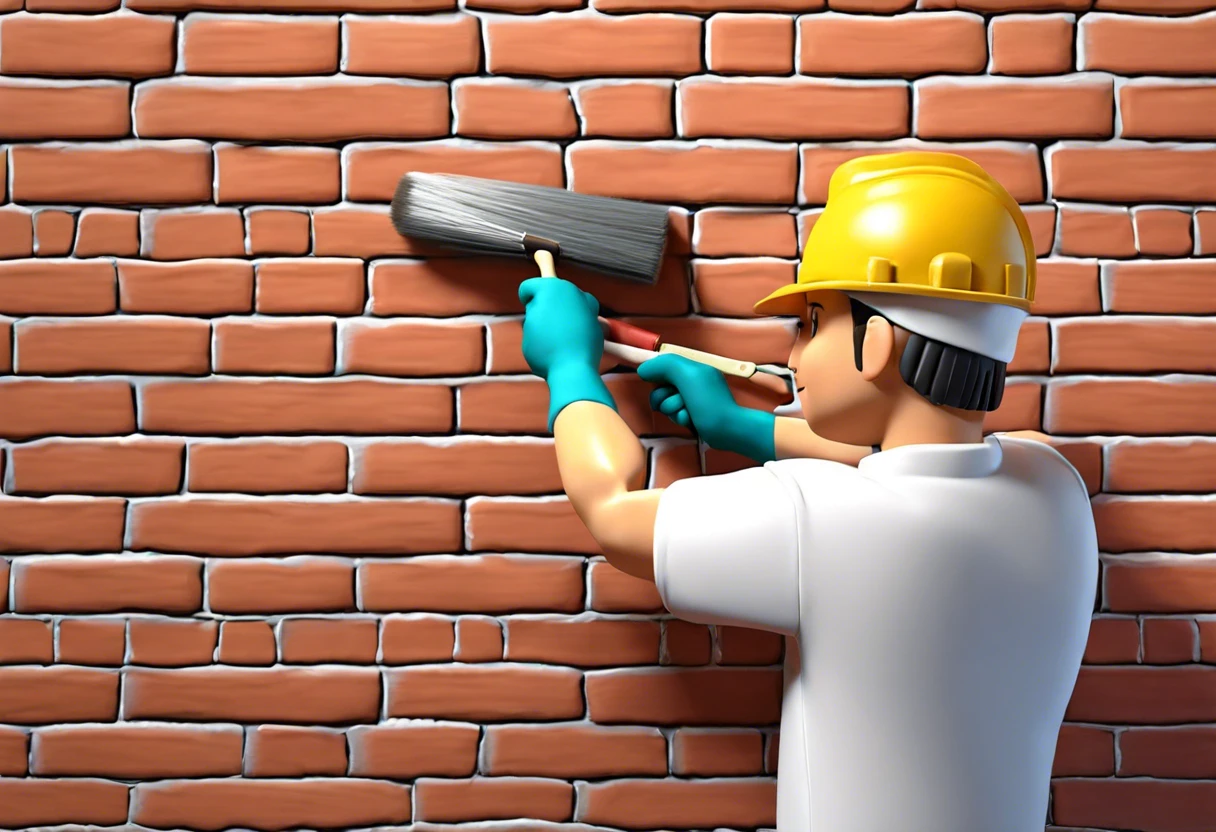
My friend once struggled to paint his old brick house. He faced uneven absorption, which created blotches. The brick’s porous nature makes it tricky and frustrating.
To fix this, use a masonry primer for even coverage. It’s best to apply 1-2 coats, waiting 24 hours between applications to ensure lasting results.
Finishing Touches After Painting a Brick House
After tackling the challenges of painting a brick home, focus on sealing the surface with a breathable acrylic sealer. Apply the sealer about 24 hours after the last coat for proper adhesion.
Inspect the joints and mortar between bricks every 6–12 months with a magnifying glass. Repairs may require specific products like tuckpointing mortar for lasting durability.
I recommend using soft microfiber cloths to care for painted surfaces, cleaning each season with a gentle detergent to maintain facade integrity and vibrant color.
What Different Finishes Can You Use for Painted Brick?
Once you’ve painted your brick house, consider the finish. Different finishes can create unique looks and effects.
-
Matte Finish
A matte finish gives a soft, non-reflective look. It’s great for a rustic vibe, but it may show dirt more easily.
-
Satin Finish
Satin provides a subtle sheen and is more durable than matte. It’s easier to clean, perfect for high-traffic areas.
-
Gloss Finish
Glossy finishes are shiny and reflective. They highlight brick textures and are exceptionally resilient to weather, but they can amplify imperfections.
Maintenance Tips for Your Painted Brick House
After the hard work of painting, keeping that look fresh takes effort. Here are some simple maintenance tips.
- Regular Cleaning: Clean painted brick every season. Use a soft brush and mild detergent to remove dirt and grime.
- Inspect for Damage: Check for chips and cracks every 6-12 months. Address issues right away to prevent weather damage.
- Freshen Up the Paint: Depending on wear, consider touching up faded areas. Proper prep ensures the new paint bonds well.
Eco-Friendly Options for Painting a Brick House
Want to go green while painting? Let’s explore some eco-friendly paint options for your brick house.
-
Low-VOC Paints
Choose paints with low volatile organic compounds (VOCs). These reduce harmful emissions indoors and outdoors. Brands like Sherwin-Williams and Behr offer great low-VOC options that still provide excellent coverage for exterior painting projects.
-
Natural Paints
Consider natural paints made from plant-based materials. They’re biodegradable and safer for the environment. Clay and chalk paints, for example, are excellent choices that provide unique finishes. If you’re exploring alternative painting techniques, you might want to exterior painting solutions.
-
Recycled Paints
Recycled paint is another green alternative. Companies like The Paint Shed offer recycled options that perform well and often come at a lower price point, saving you money and reducing waste.
Benefits of Painting a Brick House
Painting your brick house has some solid perks. Let’s break them down!
| Benefit | Description |
|---|---|
| Enhanced Curb Appeal | Bright colors can freshen your home’s look and boost neighborhood charm. |
| Protection from Weather | Quality paint acts as a barrier against moisture, preventing brick deterioration. |
| Increased Energy Efficiency | Light-colored paints can reflect heat, reducing cooling costs in hot months. |
| Customization | Give your brick house a personal touch with color, style, and finish that fits your personality. |
When to Repaint Your Brick House
Wondering when it’s time to repaint? Here are indicators that it’s time for a refresh!
| Indicator | Action |
|---|---|
| Faded Color | Repaint to restore vibrancy. |
| Peeling or Chipping Paint | Strip and repaint to ensure integrity. |
| Mold or Mildew | Clean with bleach 💰 Save on Clorox Concentrated Bleach → solution and repaint if stains remain. |
| Cracks in Brick or Mortar | Repair and then repaint for protection. |
DIY Project Ideas to Enhance Your Painted Brick House
Want to give your brick house a facelift? Try creating fun planter boxes out of reclaimed wood and hang them on your brick walls!
I’d start by gathering materials like wood, nails, and a weatherproof sealant—budget around $50-$100. Expect to spend a weekend sawing, nailing, and painting those bad boys.
If you’re curious about alternative methods, how about creating a stunning mural using removable vinyl decals? Or maybe create a textured facade with garden plaster; it adds color but allows the natural brick pattern to shine through. When exploring creative painting techniques, you might also want to discover unique ways to apply acrylic paint.
Also See: How Much 5 Gallon Paint? Uncover Your Painting Needs!
Frequently Asked Questions About Painting a Brick House
Can I Paint Over Old Paint on a Brick House?
Yes, you can paint over old paint on a brick house. However, you should check the existing paint for durability and adhesion; lead paint testing may be necessary if the home is older than 1978.
How Long Does Painted Brick Last?
Painted brick can last around 5 to 10 years, depending on the quality of paint used and local weather conditions. Moisture exposure and temperature variations can diminish its lifespan, so plan for maintenance. If you’re curious about creative painting techniques, you might want to explore unique painting applications.
Can I Use Regular Wall Paint on Brick?
No, using regular wall paint on brick isn’t advisable. The porous nature of brick needs specialized paint to prevent peeling; use a breathable masonry paint designed for brick surfaces.
Is It Difficult to Remove Paint From Brick?
Yes, it can be difficult to remove paint from brick. If done improperly, you risk damaging the brick. Chemical strippers or pressure washing at 2000 psi (13.79 Mpa) can effectively clean it, but be cautious and test a small area first. When working with fabric painting techniques, you might want to explore acrylic paint fabric applications.



Will Painting My Brick House Decrease Its Value?
Painting your brick house might decrease its value if not done properly. The market often prefers natural brick; poorly executed paint jobs may hinder appeal. Always consult a real estate professional before making such changes. If you’re considering painting over existing surfaces, you might want to explore techniques for painting different surfaces.
How Can I Prevent Paint From Chipping Off Brick?
You can prevent paint from chipping off brick by using high-quality, breathable masonry paint and applying a sealant designed for brick. Proper surface prep is also critical; clean and dry the brick thoroughly before painting. If you want to enhance your painting technique and explore advanced methods for protecting brick surfaces, master precise painting techniques.
What’s the Best Time Of Year to Paint a Brick House?
The best time to paint a brick house is during mild, dry weather between 50°F and 80°F (10°C to 27°C). Avoid rainy or humid conditions, as moisture can cause paint to bubble or peel.
Do I Need to Prime Brick Before Painting?
Yes, you should prime brick before painting. A high-quality primer seals the brick’s surface and enhances paint adhesion, resulting in a smoother and more long-lasting paint job.
Conclusion
You made it to the end, which means you’re ready to tackle that brick house. We covered what a brick house is, important considerations before painting, steps for successful painting, suitable paint types, recommended colors, factors affecting your decision, common issues, finishing touches, and fun DIY ideas to enhance your painted brick house.
So, can you paint a brick house? Yes, you can; just remember to use the right paint, consider the weather, and allow for proper drying. With the right prep and care, you can transform your brick exterior into a colorful statement while addressing concerns about how to paint exterior brick and how to remove paint off brick should it ever be needed.
For more insights and resources, explore our homepage: Paint Answers.
Useful Resources
- Betti, C., & Sale, T. (2012). Drawing: A Contemporary Approach (6th ed.). Belmont, CA: Cengage Learning.
Experienced interior designer with 15+ years in transforming spaces, blending artistry with expertise in color and design. Rhode Island School of Design graduate, specializing in restorations and modern makeovers.
Exterior, Siding