Can You Paint Over Black Mold?
Published on: May 14, 2026 | Last Updated: January 29, 2026
Written By: Sarah McClintock
Black mold is yucky stuff that grows in damp, dark places. It looks like fuzzy black spots and can make you sick!
Sure, you might wonder, can you paint over black mold? It’s super important to understand this before you grab that brush. I once tried painting a wall covered in black mold, and let me tell you, it didn’t end well!
In this guide, we’ll explore essential facts about black mold, considerations before painting, a step-by-step painting guide, suitable paint types, and ways to prevent future growth. You’ll learn why what is a paint primer is crucial, and how to tackle mold healthily.
Can You Paint Over Black Mold?
No, you shouldn’t paint over black mold. Painting on it only hides the problem temporarily. First, clean the mold with a proper solution. Ensure the area is completely dry before applying any paint. If you’re unsure about the right dilution or mixing techniques for your paint, you might want to check paint thinning methods.
What is Black Mold?
Black mold, scientifically known as Stachybotrys chartarum, is a toxic fungus found in damp, poorly ventilated homes. It’s black or dark green and thrives in areas with over 70% humidity, typically in materials like wood, drywall, and carpets.
Can you paint over black mold? I faced this question during a home renovation. Was it worth taking that leap?
I encountered severe mold issues while renovating an old house. I learned that using a proper paint primer first can significantly affect mold growth; some primers encapsulate (Trap) the mold instead of sealing it in. Understanding paint primer can guide your decisions in this situation.
Essential Considerations Before You Start Painting Over Black Mold
What do you need to start?
- Protective Gear: You’ll need gloves and an N95 respirator, like the 3M 8210. This keeps you safe from mold spores and harmful chemicals.
- Mold Remover: Use a product like Microban or RMR-86. It’s crucial for eliminating mold before painting.
- Primer: Get a heavy-duty primer, such as Zinsser B-I-N 🔥 Deal: Shellac-Based Primer Sealer → . This seals stains and prevents mold from ruining your paint job.
- Paint: Opt for mold-resistant paint, like Benjamin Moore Aura. It helps prevent future mold growth.
We covered essential factors before painting over black mold. We will now cover the health risks associated with black mold.
Also See: How Much Does It Cost to Get a Truck Painted?
Understanding the Health Risks Associated with Black Mold
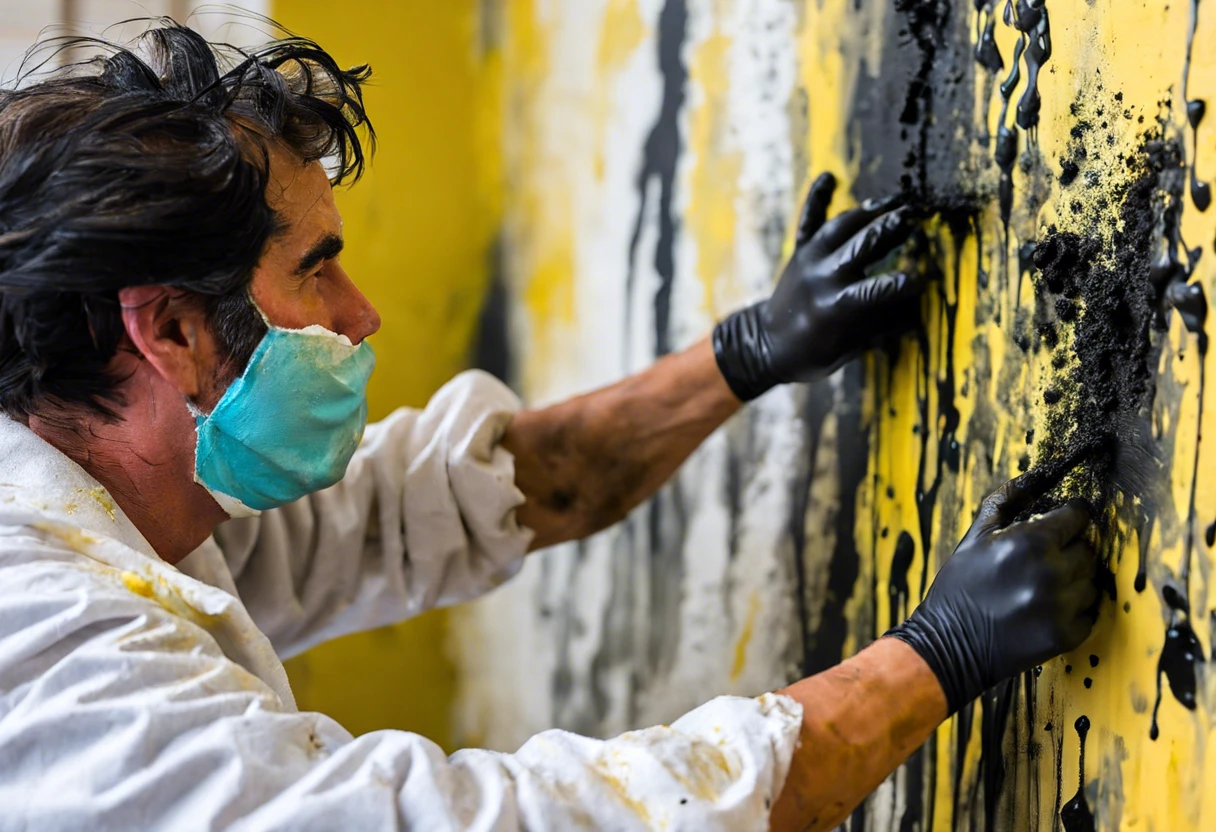
Before tackling black mold, it’s vital to know the health risks linked to it. Here’s what you should be aware of.
- Respiratory Issues: Breathing in mold spores can lead to asthma attacks and allergies.
- Skin Irritation: Contact with mold can cause rashes and itching on sensitive skin.
- Sinus Problems: Mold exposure often leads to sinus infections or nasal congestion.
- Fatigue and Headaches: Long-term exposure may cause continuous fatigue and various headaches.
We covered the health risks linked to black mold. We will now address common misconceptions about painting over black mold.
Common Myths About Painting Over Black Mold
It’s easy to get confused with all the information out there. Let’s bust some myths!
- Myth 1: Painting hides the mold problem. Fact: It doesn’t remove the mold; it just covers it.
- Myth 2: Any paint can stop mold growth. Fact: Not all paints are mold-resistant. Choose wisely!
- Myth 3: Bleach 🔥 Deal: Clorox Concentrated Bleach → kills mold completely. Fact: Bleach can temporarily lighten mold, but it often doesn’t penetrate deeply enough to kill it.
We covered myths about painting over black mold. We will now cover how environmental factors influence mold growth.
How Environmental Factors Influence Mold Growth
Your home’s environment plays a huge role in mold development. Consider these factors:
| Environmental Factor | Impact on Mold Growth |
|---|---|
| Humidity Levels | Above 60% humidity creates a perfect breeding ground for mold. |
| Temperature | Mold thrives in temperatures between 70°F – 100°F (21°C – 38°C). |
| Ventilation | Poorly ventilated spaces retain moisture, increasing mold risk. |
| Water Leaks | Any leaks can provide a continuous moisture source that fosters mold growth. |
That covers how environmental factors impact mold growth. Let’s now take a look at the lifecycle of black mold.
Understanding the Lifecycle of Black Mold
Knowing how black mold thrives is key before painting over it.
- Growth Conditions: Black mold grows when there’s moisture, darkness, and organic material. Think of surfaces like wood, drywall, or carpets.
- Reproduction: Mold spores release thousands of spores to spread. A single mold colony can produce millions of spores in just a few days!
- Life Cycle: Black mold takes around 24 to 48 hours to start growing under the right conditions. So, if you see mold, act fast!
Comparison of Mold Removal Methods
Not all mold removal methods are created equal. Here’s a quick comparison.
| Method | Effectiveness | Time Required | Cost (approx.) |
|---|---|---|---|
| Mild Detergent Solution | Moderate | 1 Hour | $10 |
| Bleach Solution | High (Temporary) | 1-2 Hours | $5 |
| Professional Remediation | Very High | Varies (Days) | $500 – $3,000 |
Long-term Solutions for Mold Prevention
Wanna keep black mold away? Here are some smart tips.
- Control Humidity: Aim to keep indoor humidity below 60%. Use a dehumidifier if needed.
- Improve Ventilation: Open windows and use exhaust fans in kitchens and bathrooms to circulate air.
- Regular Inspections: Check for leaks, especially in areas like basements and attics regularly.
Step-by-step Guide to Painting Over Black Mold
This guide covers the essential steps for painting over black mold.
-
Identify the Source Of Moisture
First, pinpoint where moisture originates, as it fuels mold growth. A damp environment can lead to future mold issues, so fix leaks or improve ventilation.
Address anything causing moisture—like dripping pipes or high humidity. Act quickly; fixing the source is crucial for your painting project’s success.
-
Prepare the Affected Area
Remove furniture from the room or cover it with drop cloths. Use a scraper or wire brush to remove any flaking or peeling paint from the walls.
Clean the surface thoroughly with a vinegar-water solution or a bleach solution (1 Part Bleach to 10 Parts Water). This helps eliminate black mold before painting.
-
Apply a Mold-inhibiting Primer
Use a mold-inhibiting primer designed to seal off mold from the painted surface. Look for a product labeled “mildew-resistant” and apply it liberally; a single coat is often sufficient.
Don’t skip this step! Skipping it can lead to regrets later. A high-quality primer reduces the risk of mold returning, so be thorough.
-
Choose the Right Paint
Select a mold-resistant paint. A satin or semi-gloss exterior acrylic paint works well, as it repels moisture and is easier to clean.
This choice is important—paint labeled “mildew-resistant” offers extra protection against mold. Ensure conditions are right; maintain a temperature between 50°F (10°C) and 85°F (29°C) for optimal results. If you’re painting near heating elements like baseboards, you’ll want to know specific techniques for painting baseboard heating surfaces.
-
Apply the Paint Evenly
Use a roller or brush to apply the mold-resistant paint evenly on the primed surface. Work in smaller sections, focusing on areas with heavy mold concentration.
Aim for two coats for better coverage and durability. Allow each coat to dry fully according to manufacturer guidelines—typically 1 to 2 hours in ideal conditions.
Types Of Paint Suitable for Use Over Black Mold
Let’s explore different paint types, including Mold-Resistant Paint, Chemical-Resistant Paint, Epoxy Paint, and Primer-Sealer.
-
Mold-resistant Paint
Mold-resistant paint contains fungicides, making it ideal for damp areas. These paints reduce mold growth by up to 99%, keeping your walls fresh and clean.
-
Chemical-resistant Paint
Chemical-resistant paint withstands harsh conditions like high humidity and chemical exposure. It offers excellent adhesion, making it perfect for mold challenges.
-
Epoxy Paint
Epoxy paint features a strong bond and high durability, effectively sealing out moisture. Its tough finish can last over 10 years under suitable conditions.
-
Primer-sealer
A primer-sealer provides a solid base to block moisture and mold from bleeding through. It prepares your surface, ensuring better paint adhesion while combating underlying mold.
My expertise shows that I prefer Mold-Resistant Paint. It keeps mold at bay while adding protection that often lasts longer than traditional paints. If you’re curious about painting techniques, check out our painting tips and advice. It simplifies the process and guarantees durability.
Factors Affecting Success When Painting Over Black Mold
What factors influence your ability to cover black mold effectively?
-
Type of Paint Used: Some paints have mold-resistant properties, which are crucial for success.
-
Surface Preparation: Thoroughly cleaning and preparing the area ensures the paint adheres well.
-
Humidity Levels: High humidity can promote mold growth, worsening the problem despite painting.
-
Extent of Mold Damage: If the mold is deep-rooted, simply painting may not fix the issue.
Common Issues When Painting Over Black Mold
My friend once decided to paint over black mold in her basement. She didn’t scrub it first, and it came right back, despite the paint.
To fix this, it’s crucial to use a mold-killing solution, then apply a high-quality primer. Consider a mold-resistant primer, such as KILZ, with 5 L (1.3 Gal) for effective sealing.
Finishing Touches After Painting Over Black Mold
After addressing black mold, apply a mold-resistant primer, like Zinsser Perma-White. Wait 24 hours for the paint to cure before exposing the surface to moisture.
Inspect every corner for damp areas or lingering odors. Check moisture levels with a hygrometer; they should be below 60% to prevent mold from returning.
If this isn’t your first time dealing with this issue, use an advanced dual-action dehumidifier, like the hOmeLabs 4,500 sq. ft. Dehumidifier, which maintains 30% to 50% relative humidity for mold control.
Also See: Can You Bring Old Paint Cans to Home Depot? Yes.
DIY Project Ideas to Prevent Future Black Mold Growth
Let’s get crafty! You can create a moisture-absorbing pot using activated charcoal – it’s a real game changer for air quality.
To make it, simply fill a cute terracotta pot with activated charcoal, and place it in damp areas. It’ll cost you around $15 (USD) for supplies and only take about 30 minutes to whip up!
Now, if you’re wondering “can you paint over black mold?” I’ve got some out-of-the-box solutions. Instead of just slapping on paint, why not make your own anti-mold paint using vinegar and natural pigments? It’ll be voguish and protect your walls! Professional painters recommend thoroughly addressing potential paint damage before applying new paint treatments.
Another idea? I’ve seen people use aloe vera gel mixed with paint to help with moisture! Trust me, it’s like giving your walls a protective snuggle!
Frequently Asked Questions About Painting Over Black Mold
What Types Of Paint Are Best for Use Over Mold?
Using the right paint is crucial when addressing mold problems. Mold-resistant paints specifically designed for high-moisture areas can effectively prevent mold from re-emerging. Look for paints labeled as mildew-resistant, which often contain fungicides and come in finishes that seal surfaces to maintain a healthy environment.
How Do You Properly Clean Surfaces Before Painting Over Mold?
Cleaning surfaces thoroughly before painting over mold is essential. First, scrub the area with a mix of water and detergent or a commercial mold cleaner, ensuring you remove all spores. Make sure the area dries completely, as moisture can lead to new mold growth later on. If you’re dealing with challenging surfaces like bed liners, you might want to explore specific painting techniques for bed liners.
What Are the Health Risks Of Painting Over Mold?
Painting over mold presents various health risks, particularly respiratory issues. Inhaling mold spores can cause asthma flare-ups or allergic reactions. It’s vital to ensure the mold is gone before painting to protect your health and prevent future consequences. When preparing wood surfaces for painting, proper mold health precautions are crucial for creating a safe and durable finish with effective wood painting strategies.
Is It Possible to Remove Mold Completely?
Yes, it’s definitely possible to remove mold completely. Proper cleaning with specialized solutions can eliminate 98% of mold spores in your home, provided you address moisture sources as well. However, ongoing prevention measures are essential to stop mold from returning.
What is a Paint Primer?
A paint primer is a preparatory coat applied before the main paint layer. It improves adhesion, increases durability, and can even block stains from bleeding through. Using a high-quality primer can make a significant difference in the longevity and appearance of your final paint job. If you’re wondering about specific paint compatibility, painting techniques between different types can help ensure a smooth and successful application.
What is a Paint Primer Used for?
A paint primer is used to enhance surface conditions prior to painting. It helps create a uniform base, improves color accuracy, and can seal porous surfaces effectively. Using a primer ensures that the main paint adheres well and looks just right when finished. If you need to adjust paint consistency during your project, you might want to thin paint with water carefully.
Conclusion
We covered what black mold is, essential considerations before painting, a step-by-step guide, recommended color palettes, types of suitable paint, factors affecting success, common issues, finishing touches, and DIY project ideas to prevent future growth.
You can’t just paint over black mold and expect it to disappear. It requires careful preparation, the right kind of primer, and specific paint types to effectively seal and address any health risks. Without correct treatment, the mold likely returns, so take time to tackle it properly.
If you’ve found this information helpful, explore more valuable insights and resources at Paint Answers.
Useful Resources
- Betti, C., & Sale, T. (2012). Drawing: A Contemporary Approach (6th ed.). Belmont, CA: Cengage Learning.
- Will paint kill mold? A common question in the Boston climate. | CertaPro Painters® of the South Shore
- Can I paint over mould/mildew? – MyJobQuote
- Can You Paint Over Mold? What You Need to Know