Can You Paint Blinds?
Published on: December 21, 2025 | Last Updated: October 1, 2025
Written By: paint_answered
Blinds are like little curtains that go over windows to keep the light out or let it in. They can be made of vinyl, wood, or fabric, and they can open and close to help you see outside or keep things private.
When asking can you paint blinds, it’s important to consider how it can change your space. I once painted my old wooden blinds, and it made my room feel brand new; it’s amazing what a splash of color can do!
In this article, you’ll learn essential factors to consider before painting your blinds, steps to successfully paint them, recommended colors, types of blinds you can paint, issues you might encounter, and creative project ideas. You’ll also discover what paint to use for your project, which can apply to other areas like how to paint a door with a roller or how you can paint your house.
Can You Paint Blinds?
Yes, you can paint blinds! Use a spray paint made for plastics or metal, depending on your blinds’ material. Clean them first, then apply even coats. Make sure to let them dry fully before reinstalling. If you’re unsure about paint consistency, you might want to adjust paint viscosity carefully.
What Are Blinds?
Blinds are window treatments that provide privacy and light control. Typically made of slats, they come in various materials like wood, fabric, or vinyl. Blinds usually have slat widths ranging from 1 inch (2.54 Cm) to 4 inches (10.16 Cm). Did you know the global blinds market is valued at about $5 billion? That’s a lot of windows!
Can you paint blinds? I once considered giving my old blinds a fresh look. It seemed like an easy DIY project, but I soon realized there’s more to it than just picking up a brush!
I found it handy to update my home’s decor on a budget. Choosing the right finish is crucial, whether using spray or brush paint, especially for durability. One tip: some people recommend using spray paint on polypropylene blinds for a smooth finish. Remember, the right approach can help you paint your room and make it pop! If you’re looking to take your painting skills to the next level, exterior wall painting techniques can elevate your home improvement projects.
Essential Considerations Before You Start Painting Your Blinds
What do you need to prepare for?
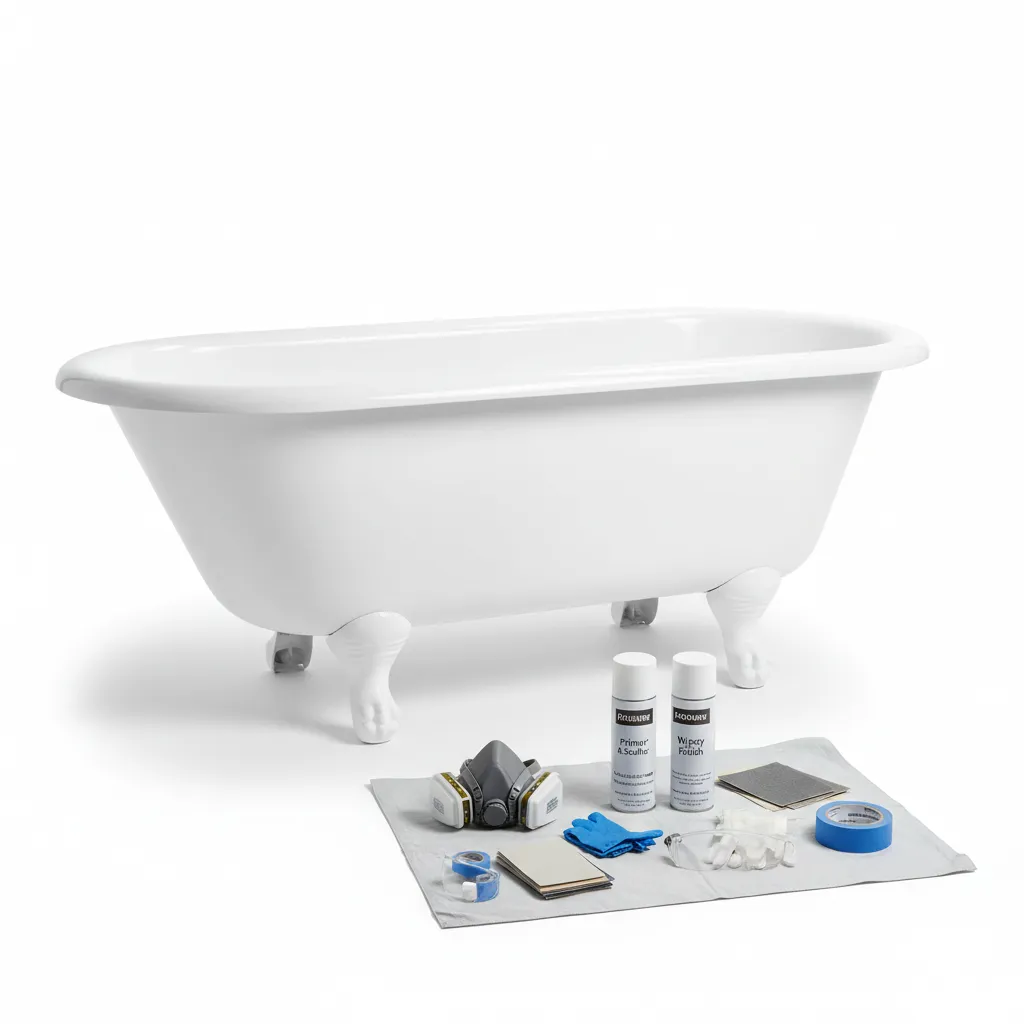
- High-quality Spray Paint: Use a spray paint designed for plastic surfaces, like Rust-Oleum 2x Ultra Cover (340 G, 12 Oz). It ensures even coverage and durability on your blinds.
- Drop Cloth: A drop cloth, such as A-Wing 3 m x 3 m (10 Ft X 10 Ft), is essential. It protects your floors from paint drips and spills.
- Masking Tape: Use masking tape, like ScotchBlue 2090 (24 Mm X 55 M, 1 in X 60 Yd), to safely cover edges. It keeps the non-painted areas clean.
- Safety Gear: Wear safety goggles ⚡ Best Pick: Anti-Fog Safety Goggles → and a mask, such as the 3M 8511 Respirator (FFP2, 4500 Μm, 18 Mil). These protect against fumes and particles while painting.
You should now have a good understanding of key factors before painting your blinds. In the next part, we’ll discuss essential steps to paint them successfully.
Also See: Can You Paint a Brick House? Yes, It Can Be Done!
Steps to Successfully Paint Your Blinds
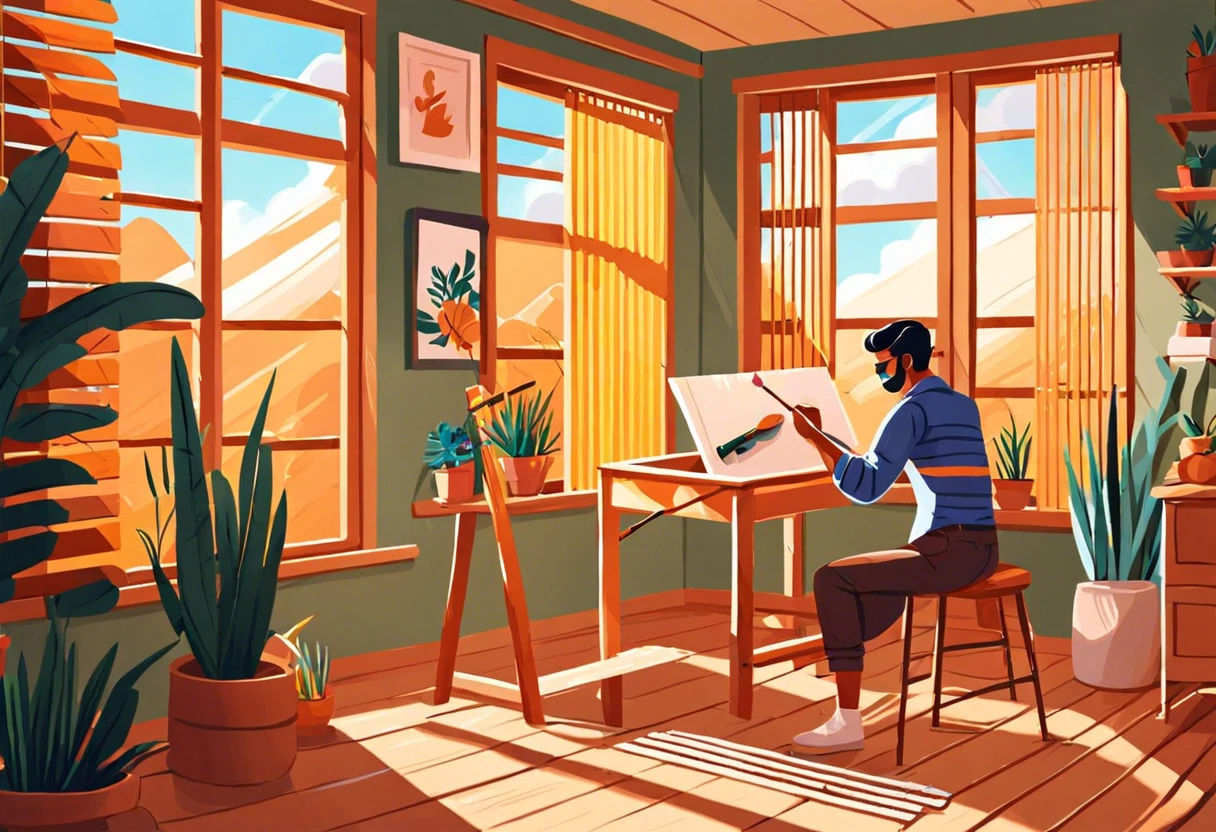
Now, we’ll cover the steps to paint your blinds with precision and flair.
-
Remove the Blinds
Start by taking down the blinds. Measure the width and length (In Cm and Inches) to ensure you can rehang them correctly.
Ask a friend or use a ladder for extra height. Painting on a flat surface makes it easier.
-
Clean the Blinds Thoroughly
Wipe each blind with warm, soapy water and a sponge. Dust or grease can ruin your paint job.
Use a mix of one cup of vinegar and four cups of water for a thorough cleaning solution. Let them dry completely before moving on.
-
Sand the Blinds
Use fine-grit sandpaper ⚡ Best Pick: Assorted Grit Sandpaper → (Around 220 Grit) to lightly scuff the surface. Sanding helps the paint adhere better.
Sand gently to avoid splinters or damaging vinyl. This step is crucial for a smooth finish.
-
Choose the Right Paint Type
Select spray paint or a paint designed for plastics if your blinds are PVC. Latex paint is suitable for wood but may require priming.
Brands like Rust-Oleum or Krylon work well. Use a spray can with an adjustable nozzle for control.
-
Apply a Primer (if Necessary)
For non-paintable materials, applying a primer is wise. Use a bonding primer to ensure good adhesion.
Spray an even coat and allow it to dry for the recommended time, usually about two hours. This can significantly enhance durability.
-
Paint the Blinds
Hold the spray can about 15-30 cm (6-12 Inches) away and apply light, even coats. Multiple thin coats prevent drips better than one thick coat.
Check for missed spots between layers. Be patient; letting each coat dry fully can transform your blinds.
-
Allow for Drying and Curing
After the last coat, let the blinds cure for at least 24 hours. Wait for the paint to set before reinstalling.
Higher humidity may extend drying time. Stay patient—you’ve worked hard, so don’t rush this final step!
-
Rehang and Enjoy!
Once dry, carefully reattach your blinds. Ensure they rotate freely and are aligned properly.
Step back and admire your work—you’ve beautifully transformed those blinds!
You should now have a good understanding of the steps to paint your blinds successfully. In the next part, we’ll discuss the suggested color palette for painting.
Recommended Color Palette for Painting Blinds
I recommend a serene Coastal Escape theme for your blinds. This palette brings calm vibes while adding a touch of sophistication, perfect for creating a refreshing atmosphere.
| Color Box | Hex Code | Color Name |
|---|---|---|
| #A3C4DF | Soft Blue | |
| #F3E6D8 | Creamy Beige | |
| #9BCB70 | Light Green | |
| #FFC107 | Sunny Yellow |
You should now have a good understanding of the suggested color options for painting blinds. In the next part, we’ll discuss different types of blinds to consider painting.
Types Of Blinds You Can Consider Painting
Let’s explore the different types of blinds you can paint: Vertical, Horizontal, Pleated, and Roller blinds.
-
Vertical Blinds
Vertical blinds hang from a track. They’re usually made from PVC or fabric. Use high-quality fabric paint or acrylic when painting. A 400 mL spray can provides excellent coverage.
Recommended SuppliesAs an Amazon Associate, I earn from qualifying purchases. Images are representative. -
Horizontal Blinds
Horizontal blinds have slats that tilt for light control. Typically made of aluminum or vinyl, they can be painted with paint designed for metal. Look for long-lasting finishes like Rust-Oleum spray or similar brands. If you’re considering painting other surfaces like bathroom tiles, you might want to explore painting tile walls effectively.
-
Pleated Blinds
Pleated blinds open and close seamlessly. They’re often made from polyester fabric, allowing for some painting with fabric dye or tinted latex. Apply paint thinly to avoid sagging.
-
Roller Blinds
Roller blinds roll up smoothly and are commonly made from PVC or fabric. Use fabric spray paint but test a small area first. One can typically covers around 5 m² (53 Sq Ft), so plan accordingly. If you’re looking to refresh other surfaces like boats, painting marine surfaces requires specific techniques.
Having been in the field for a while, I prefer painting horizontal blinds. They offer a sleek look, and with the right metal paint, they retain their color for years.
That covers various types of blinds you can think about painting. Let’s now take a look at factors influencing your painting project’s success.

Factors Affecting Your Blind Painting Project’s Outcome
What factors influence your blind painting project? Here’s a quick rundown.
-
Material of the Blinds: Vinyl, wood, or metal blinds require specific paint types, affecting adhesion and finish.
-
Paint Type: Using the wrong paint, such as wall paint instead of spray paint, leads to inadequate coverage.
-
Preparation: Cleaning and priming the blinds is crucial; poor preparation can cause the paint to peel off.
-
Environment: Humidity and temperature impact drying times; aim for 50-70°F (10-21°C) and low humidity.
Common Issues Encountered When Painting Blinds
My friend tried painting her vinyl blinds and ended up with peeling paint. Frustrating, right? The paint doesn’t adhere well because of the smooth surface.
To fix this, use a bonding primer, like Zinsser, that’s perfect for vinyl. Apply two light coats of acrylic paint (1.25 Liters) for durability and coverage. Goodbye, peeling!
Painting Techniques for Different Blind Materials
Different materials require different painting techniques and paints. Here’s a breakdown to help you choose the best approach.
| Blind Material | Recommended Paint Type | Suggested Technique | Coverage Area (Approx.) |
|---|---|---|---|
| Vinyl | Specialty Spray Paint | Light, even coats; smooth strokes. | 4.5 m² (48 Sq Ft) per can |
| Wood | Latex or Acrylic Paint | Brush paint for detailed areas; spray for wider sections. | 7.5 m² (80 Sq Ft) per gallon |
| Metal | Metal-Specific Spray Paint | Spray evenly; multiple passes for durability. | 5.5 m² (60 Sq Ft) per can |
| Fabric | Fabric Spray Paint | Light, mist-like applications; avoid soaking. | 3.5 m² (38 Sq Ft) per can |
Maintaining Your Painted Blinds
Okay, you’ve painted your blinds, but how do you keep them looking fresh? Here’s a quick maintenance guide.
- Regular Dusting: Use a microfiber cloth 🔥 Deal: Microfiber Cleaning Cloth → or duster weekly to prevent buildup.
- Gentle Cleaning: Clean with a damp cloth monthly using mild soap. Avoid harsh cleaners.
- Inspect for Damage: Check every 3-6 months for chips or fading. Touch up as needed!
- Conditioning: If painted wooden blinds appear dry, apply a wood conditioner to revive sheen.
Creative DIY Project Ideas for Upcycling Your Blinds
Wanna breathe new life into old blinds? How about turning them into a chic wall art display or a rustic plant holder that’ll wow your friends?
For these projects, colors are your friend! You can find materials like paint and hanging supplies for around $20–$30, and dedicating a weekend (About 4–6 Hours) should do the trick.
Feeling adventurous? Instead of just slapping some paint on those blinds, why not weave bright yarn through them for a funky, textured look? Trust me, this adds a fresh twist that’ll make you smile every time you walk by! If you’re looking to expand your creative DIY skills, you might want to explore other unique painting techniques like painting unconventional surfaces creatively.
Popular Paint Brands for Blinds
Wondering which paints work best for your blinds? Here’s a quick reference chart!
| Paint Brand | Type | Features | Coverage Area (Approx.) |
|---|---|---|---|
| Rust-Oleum | Acrylic Spray | Fast drying, water resistant | 4.5 m² (48 Sq Ft) per can |
| Krylon | Plastic Spray Paint | Excellent adhesion and durability | 4.5 m² (48 Sq Ft) per can |
| Behr | Latex Paint | Great for wood, long-lasting finish | 7.5 m² (80 Sq Ft) per gallon |
| Plaid | Fabric Spray Paint | Flexibility for fabric blinds | 3.5 m² (38 Sq Ft) per can |
Innovative Techniques for Creative Blind Painting
Want to make your blinds stand out? Check out these innovative painting techniques!
- Ombre Effect: Blend colors from light to dark. Start with a light shade at the top, gradually transitioning to a darker tone.
- Stencil Art: Use stencils to create patterns. Apply paint over the stencil for unique designs—think floral or geometric!
- Textured Finish: Add sand or fabric medium to your paint for a textured look. It gives your blinds a rich, tactile feel.
- Two-Tone Blinds: Split your blinds in half and paint the upper and lower sections different colors. This adds dimension to your window treatments!
Frequently Asked Questions About Painting Blinds
Can I Use Any Paint on My Blinds?
Can I use any paint on my blinds? No, you can’t use just any paint on your blinds. Some paints can damage the material or create a sticky surface that hinders functionality.
Will Painting My Blinds Affect Their Functionality?
Will painting my blinds affect their functionality? Yes, painting your blinds can impact their operational smoothness. The added layer of paint can make them harder to open and close, especially if you don’t use the right type of paint. If you’re looking to protect your newly painted surfaces, paint protection techniques can help preserve your work and maintain the blinds’ performance.
How Long Will Painted Blinds Last?
How long will painted blinds last? Painted blinds typically last around 2-5 years, depending on the paint quality and exposure conditions like sunlight and moisture.
Do I Need to Seal My Painted Blinds?
Do I need to seal my painted blinds? Yes, sealing painted blinds is important to enhance durability and prevent flaking. A good seal helps protect against wear and tear.
What Alternatives to Painting Blinds Do I Have?
What alternatives to painting blinds do I have? You can use fabric or self-adhesive vinyl to re-cover old blinds, or consider buying new ones for a refreshed look.
Can I Remove Paint From My Blinds?
Can I remove paint from my blinds? Yes, but be cautious. Using solvents like acetone can damage the blinds if not tested first. Always read labels before applying any chemicals.
Are There Special Techniques for Painting Blinds?
Are there special techniques for painting blinds? Yes, using a spray paint method works best for even coverage. It helps prevent drips and inadequacies compared to using a brush.
What’s the Cost Of Painting Blinds Compared to Replacement?
What’s the cost of painting blinds compared to replacement? Painting blinds costs roughly $10-50 depending on materials, whereas new blinds usually cost anywhere from $50 to several hundred dollars. If you’re curious about the historical context of painting techniques and preservation, you might be interested in exploring where Bosch’s paintings are preserved today.
Can I Use Regular House Paint on Blinds?
Can I use regular house paint on blinds? No, regular house paint isn’t recommended for blinds, as it may peel or adhere poorly. Buy paint specifically formulated for this purpose.
Also See: How Much Can 1 Quart Of Paint Cover? Coverage Details
Conclusion: Is Painting Blinds the Right Choice for You?
We covered what blinds are, essential considerations before painting, steps to paint successfully, recommended color palettes, types of blinds suitable for painting, factors affecting the outcome, common issues encountered, finishing touches, and creative DIY ideas.
I trust these insights have been helpful in answering your question: can you paint blinds? Yes, you can paint them with the right preparation, paint type, and technique for best results.
For additional guidance on effective painting techniques, explore more at Paint Answers.
Additional Resources
- Smith, R. (2003). The Artist’s Handbook of Materials and Techniques (5th ed.). New York, NY: Knopf.