Can You Paint Oil Paint Over Latex?
Latex is a type of paint made from water and tiny bits of rubber. Think of it like colorful juice that dries quickly and is easy to clean up!
You’re probably asking, can you paint oil paint over latex? It’s super important to know because mixing them without a plan can lead to messy results. From my own experience, I once tried it without checking first, and the paint started to peel. Not fun!
In this article, we’ll explore the basics, important tips, a step-by-step guide, recommended colors, types of latex and their oil compatibility, factors affecting your success, common pitfalls, finishing touches for a polished look, and even creative DIY project ideas using oil and latex paints. You’ll find all the juicy details to ensure your project turns out fabulous!
Can You Paint Oil Paint Over Latex?
No, you can’t paint oil paint over latex directly. Latex and oil don’t bond well. If you want to use oil paint, first, you should prime the latex surface with an oil-based primer. This ensures a smooth, long-lasting finish. When navigating apartment painting rules, it’s crucial to understand the specific guidelines for painting regulations in rental spaces.

What is Latex Paint?
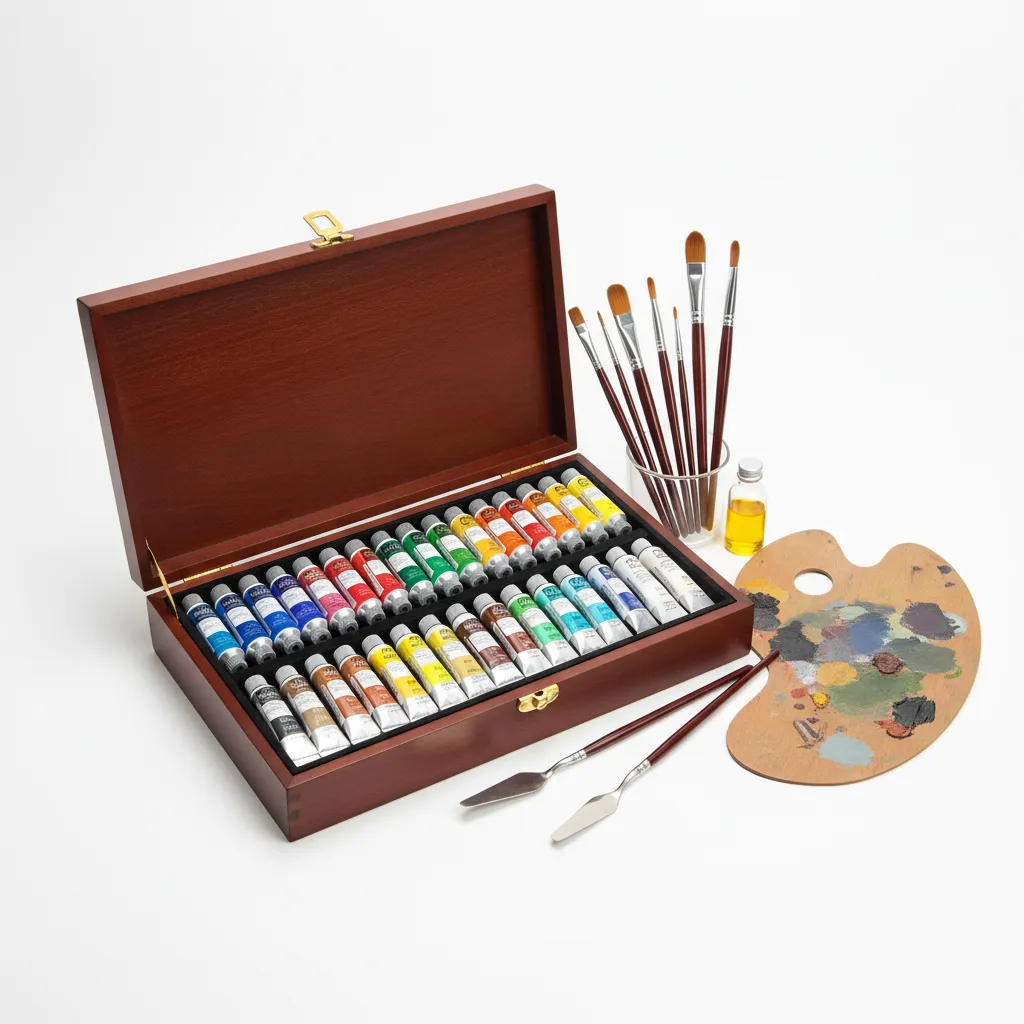
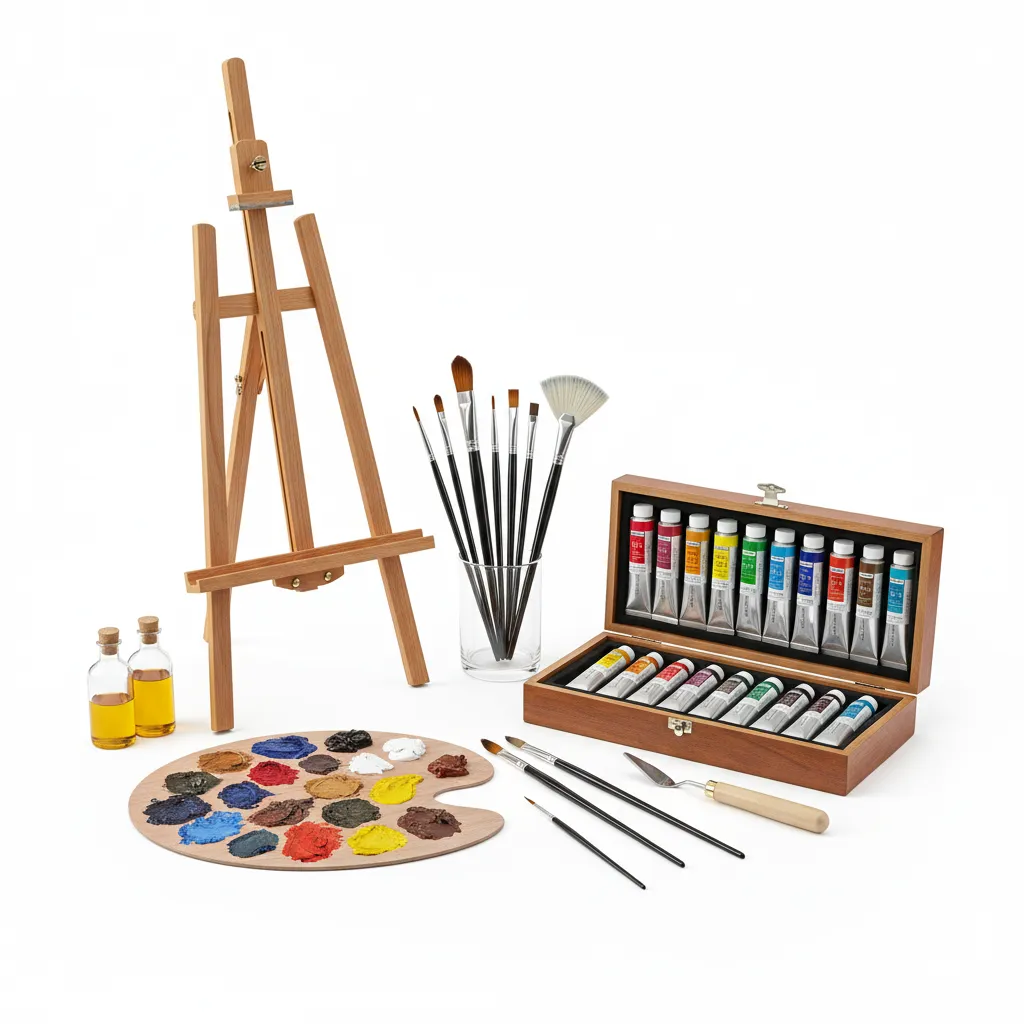
Latex paint is water-based and made primarily from synthetic polymers, mainly acrylic or vinyl. It typically contains about 60% to 70% water, allowing for easy dispersion and faster drying times, usually between 30 to 60 minutes per coat. If you’re looking to explore advanced painting techniques like creating vibrant color gradients, painting techniques can help you master color blending skills.
Interestingly, I once experimented with painting over latex with oil paint. The question ‘can you paint oil paint over latex’ always leaves me curious!
Friends have told me how it worked for them when using oil paint over an old latex job. They mentioned the challenges involved, which made me realize that while it’s possible with proper preparation—like priming with a latex-compatible primer—there’s always a risk of the oil paint not bonding well to the original surface. That’s key to note about ‘can you paint oil paint over latex’. If you’re wondering about similar surface coating techniques, you might want to explore polyurethane application methods.
Important Considerations Before You Start
What do you need to prepare for your project?
- Oil-Based Primer: Use a primer like Zinsser Cover Stain. It’s essential for bonding oil paint to latex.
- High-Quality Brush: Get a synthetic brush, such as Purdy 144152038. It helps apply the oil paint smoothly.
- Rubbing Alcohol: You’ll need 70% rubbing alcohol to clean surfaces. This prep removes residue for a better finish.
- Drop Cloths: Use 3.0 m (10 Ft) x 1.2 m (4 Ft) painters’ cloths. They protect your area from spills and drips while painting.
We’ve wrapped up key factors to think about before starting. Let us turn our attention to the step-by-step oil painting guide.
Also See: What Kind Of Paint Did Bob Ross Use? Find Out Here!

Step-by-step Guide to Painting Oil Over Latex
We’re diving into the process of transitioning from latex to oil paint. Follow these steps for a smooth shift!
-
Prepare the Surface
Clean the wall or surface thoroughly with soap and water. Make sure there’s no grease or dust; use a good sponge or cloth.
Once it’s clean, allow the surface to dry completely. A moist surface can ruin your paint job!
-
Assess the Existing Latex Paint
Check if the latex paint is in good condition. If it’s peeling, flaking, or bubbling, scrape or sand it smooth first.
You want a solid base. If the old paint is intact, you’re set; just make sure it’s not glossy.
-
Apply a Primer
Use an oil-based primer to create a stable base. A good primer blocks colors; I recommend Zinsser BIN for its strong bond with latex.
Apply it evenly across the surface and let it dry for about 1-2 hours, or until it’s ready for the next layer.
-
Choose the Right Oil Paint
Select high-quality oil paint for your project. Whether you’re painting walls, furniture, or trim, spending a bit more ensures a better finish.
Oil paints come in various finishes—glossy, satin, or flat. Pick one that fits your overall aesthetic.
-
Apply the Oil Paint
You’re ready to paint! Start with a brush for edges, then use a roller for larger areas. Working in sections ensures even coverage.
Let the first coat dry for 12-24 hours. After that, inspect and apply a second coat if needed—sometimes it really enhances the look!
So far we covered a guide on painting oil over latex. Let’s look at types of latex and their compatibility with oil paint next.
Types Of Latex and Their Compatibility With Oil Paint
Let’s discuss the types of latex: Acrylic, Vinyl, Enamel, and Specialty Types.
-
Acrylic Latex
Acrylic latex is water-based, offering great flexibility and adhesion. It typically dries in 30 minutes to an hour. So, can you paint oil over latex? Yes, if you’re not in a hurry!
-
Vinyl Latex
This type is also water-based but less durable than acrylic. While you might get a decent finish, can you put latex over oil? Technically, yes, but expect uneven results.
-
Enamel Latex
Enamel latex has a harder finish designed for tougher surfaces. If you’re asking, can you paint oil over latex enamel? Absolutely; it creates a solid bond that lasts longer.
-
Specialty Latex
Specialty latex products are made for unique conditions, like mildew resistance. So, can you use latex over oil-based primer? It works well, thanks to its better adhesion properties!
My expertise shows that I prefer acrylic latex. It’s incredibly versatile and more reliable than the others when used under oil paints!
We’ve wrapped up the types of latex and their compatibility with oil paint here. Let us turn our attention to factors influencing successful oil painting over latex.
Factors Affecting the Success Of Painting Oil Over Latex
What factors influence successfully painting oil on a latex surface?
-
Surface Preparation Cleaning and sanding the surface ensures optimal adhesion and minimizes peeling.
-
Type of Latex Paint Not all latex paints work well with oil-based paints; choose one designed for compatibility.
-
Primer Application A suitable oil-based primer creates a barrier and improves paint interaction.
-
Drying Time Allow sufficient drying time for latex before applying oil; rushing leads to poor results.
You should now have a good understanding of factors influencing oil paint over latex. In the next part, we’ll discuss oil and latex paint distinctions.
Understanding the Differences Between Oil and Latex Paints
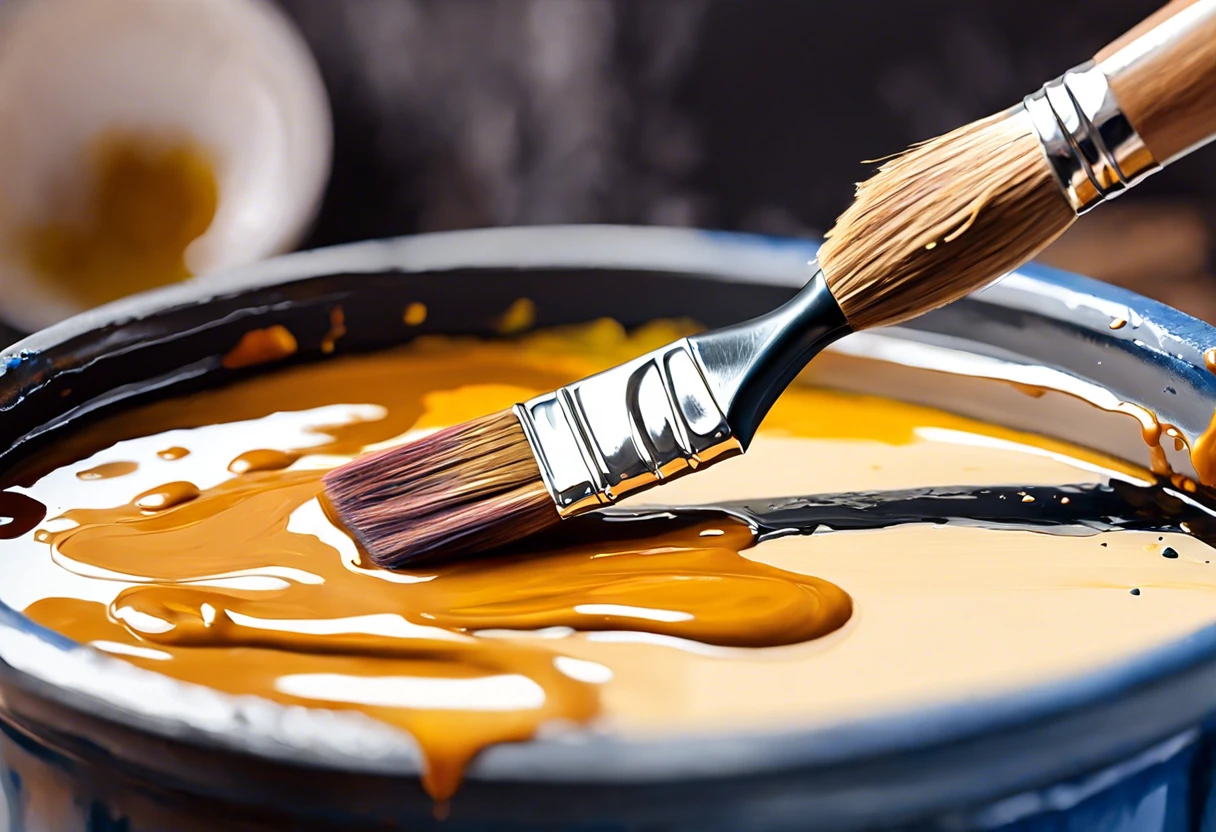
It’s crucial to grasp how oil and latex paints differ to navigate your project effectively.
- Composition: Oil paint contains oils (like linseed), while latex paint is primarily water-based. This affects drying time and application methods.
- Drying Time: Oil paint takes 24 hours to dry completely, while latex paint can dry in about an hour. This means you need patience with oil!
- Cleanup: Latex paint cleans up easily with soap and water, but oil paint requires solvents like mineral spirits. Yikes!
- Durability: Oil paints offer a harder, more durable finish, making them great for high-traffic areas. However, latex paints are easier to maintain.
How to Test for Adhesion: Is Your Surface Ready?
Want to ensure your paint will stick? Simple tests can save you headaches later.
-
Patch Test
Apply a small amount of oil paint to an inconspicuous area of the latex surface. Let it dry for 24 hours. If it stays intact, you’re good to go!
-
Peeling Test
After your patch test has dried, try peeling it gently. If it lifts easily, you may need to reconsider your approach.
-
Adhesion Tape Test
Stick a piece of painter’s tape on the area where you’ve painted. After a day, pull it off quickly. If the paint comes with it, it’s not adhering well.
Comparing Oil-Based Primers: Find the Right Match
Choosing the right primer is key for a successful project. Here’s a look at popular options.
| Primer Name | Type | Drying Time | Best Uses |
|---|---|---|---|
| Zinsser Cover Stain | Oil-Based | 1-2 hours | Stains and odors, great for adhesion. |
| Zinsser BIN | Shellac-Based | 30 minutes | Blocking stains, quick dry. |
| KILZ Original | Oil-Based | 1 hour | General use, great for coverage. |
| Ben Moore Fresh Start | Oil-Based | 1-2 hours | Excellent adhesion and durability. |
Common Issues When Painting Oil Over Latex
When my friend tried painting oil over latex, she faced peeling after just a week. It was frustrating, wasn’t it?
Use a bonding primer, like Zinsser 123, for better adhesion. Apply two coats at 13 m²/L (150 Ft²/gal) to avoid future issues. Don’t skip the primer. Trust me on that!
Finishing Touches for a Professional Look
After working with latex, wait 24 hours before touching up any spots. Use a soft cloth dampened with 400 ml of mineral spirits to efficiently clean brush marks and drips.
Inspect for dusty spots using fluff-free lighting with a particle size of 250 µm to reveal imperfections. Apply a light coat in this area using products like the Sanding Sponge Ultra Fine by 3M. When you want to achieve the perfect blue paint finish, create custom blue paint colors that enhance your surface preparation technique.
Here’s an insider tip: Apply an additional clear sealer, like Minwax Polycrylic, to enhance durability. Allow the interior layer to set for at least 72 hours before application.
Best Practices for Painting Oil Over Latex
Let’s look at how to ensure a successful oil-over-latex painting project.
-
Choose the Right Day
Weather matters! Aim for a dry, warm day with humidity below 50%. This reduces the chance of adhesion issues and helps the paint dry properly.
-
Test Compatibility
Before diving in, do a patch test. Apply a small amount of oil paint on the latex surface and let it dry. If it peels or cracks, you need to rethink your strategy.
-
Work in Sections
Don’t rush! Paint one section at a time. This allows you to keep a wet edge, making blending easier and preventing noticeable lines.
-
Use the Right Tools
As mentioned, high-quality brushes are crucial. Use a natural bristle brush for detailed areas and high-density foam rollers for large surfaces to avoid air bubbles.
Expected Results: Visualizing Your Project
You might wonder what the outcome of painting oil paint over latex should look like.
| Aspect | Good Practice Result | Poor Practice Result |
|---|---|---|
| Finish Quality | Smooth, even coverage | Patchy, uneven texture |
| Adhesion | Strong bond, no peeling | Peeling, chipping issues |
| Color Retention | Vibrant and true to color | Faded, dull appearance |
Frequently Asked Questions
Can I Use Oil Paint on Latex Baseboards?
Yes, you can use oil paint on latex baseboards. Oil-based paint adheres well and provides a strong finish, which is especially important in high-traffic areas.
What Happens if I Don’t Prime Before Painting?
If you don’t prime before painting, your paint may not stick properly. Primers help seal the surface, ensuring better color accuracy and durability for a lasting finish.
How Long Should I Wait After Priming to Apply Oil Paint?
You should wait at least 24 hours after priming to apply oil paint. This allows the primer to cure properly, promoting strong adhesion.
What Tools Are Best for Applying Oil Paint Over Latex?
The best tools for applying oil paint over latex are high-quality natural bristle brushes and foam rollers. These tools help distribute the paint evenly, reducing brush strokes and ensuring smooth coverage. If you’re curious about preparing surfaces for painting, you might want to explore painting techniques for different materials.
Can I Paint Latex Over Oil Paint?
Yes, you can paint latex over oil paint, but it requires proper preparation. Clean and lightly sand the surface to create a rough texture for good adhesion before applying a latex topcoat.
Also See: How Do You Make Cream Paint? Here’s a Quick Guide!
Conclusion
I hope this provided you with valuable insights on painting oil over latex. We discussed the nature of latex paint, crucial considerations, a detailed step-by-step guide, recommended color palettes, compatible latex types for oil paint, potential challenges, common issues, finishing touches, and inspirational DIY project ideas.
So, can you paint oil paint over latex? Absolutely, but careful surface preparation is essential. Without it, you may encounter issues like adhesion failure or bubbling, so staying vigilant is important. If you have any more questions about the process of using oil paint over latex in your projects, don’t hesitate to ask.
For further information, visit Paint Answers.
Additional Resources
- Loomis, A. (2011). Figure Drawing for All It’s Worth. New York, NY: Titan Books.
- Oil Over Latex or Latex Over Oil? – Pro Painters
- Learn from my mistakes: The right way to paint latex over oil
- Painting Over Oil-Based Paint | Glidden