Can Wicker Be Painted?
Published on: March 29, 2026 | Last Updated: January 29, 2026
Written By: Alisha Winters
Wicker is a design made from weaving together thin strips of plant material, like reeds or rattan. Imagine colorful baskets or comfy chairs that feel cozy and homey!
Can wicker be painted? It’s crucial to think about this if you want to spruce up your furniture. I once tried painting old wicker chairs, and let me tell you, the transformation was stunning!
In this article, you’ll learn about how to prep wicker, successful painting steps, popular colors, the types of wicker materials, factors that affect painting, common problems, finishing touches, and fun DIY ideas for painted wicker furniture. So, let’s dive into how to paint rattan wicker furniture and make it shine!
Contents
- 1 Can Wicker Be Painted?
- 2 What is Wicker Weaving Technique?
- 3 Before You Start Painting Wicker Furniture
- 4 Steps to Successfully Paint Wicker Furniture
- 5 Types Of Wicker Materials and Their Painting Compatibility
- 6 How to Choose Paint for Wicker Furniture
- 7 Painting Techniques for Wicker Furniture
- 8 Maintenance of Painted Wicker Furniture
- 9 Factors Affecting the Painting Of Wicker Furniture
- 10 Common Issues When Painting Wicker Furniture
- 11 Finishing Touches After Painting Wicker
- 12 Wicker Care After Painting
- 13 Cost Considerations When Painting Wicker
- 14 Creative DIY Project Ideas for Painted Wicker Furniture
- 15 FAQs About Painting Wicker
- 16 Conclusion
- 17 Useful Resources
Can Wicker Be Painted?
Yes, wicker can be painted! You can use spray paint or brush-on paint for wicker furniture and baskets. Just make sure to choose a paint that adheres well to the woven material. Prep it by cleaning and priming for the best results. If you’re wondering about proper disposal or recycling of paint materials after your project, check out how to handle paint cans responsibly.
What is Wicker Weaving Technique?
Wicker is a weaving technique using rattan, willow, reed, or other materials. It’s a method where each strand intertwines to create sturdy items like furniture and baskets. About 165 species of plants are used in wickerwork.
Speaking of woven furniture, I remember trying to spruce up an old wicker chair. I wondered, “Can wicker be painted?” What a project that turned out to be!
I’ve seen a friend refurbish an entire patio—she went wild with colors! It sparked my interest in learning how to paint rattan wicker furniture. Exploring spray painting can transform dull items into vibrant art pieces. When considering different painting techniques, I discovered some fascinating methods for painting wood furniture.
Before You Start Painting Wicker Furniture
What do you need to get started?
- Exterior Spray Paint: Use a spray paint like Rust-Oleum Painter’s Touch 2X for durability. It’s UV-resistant and prevents fading.
- Detailing Brush: A 1-inch angled brush helps reach crevices and achieve a smooth finish.
- Sandpaper 💰 Save on Assorted Grit Sandpaper → (120-220 Grit): A sanding pad is essential for smoothing surfaces. It helps the paint adhere better and last longer.
- Primer: Use Zinsser Cover Stain, an oil-based primer. It blocks stains and makes your color pop!
- Duct Tape: Quality duct tape is useful for masking off areas. It keeps lines crisp and neat while painting.
We’ve wrapped up the basics of preparing to paint wicker furniture here. Let us turn our attention to the steps for successful painting.
Also See: Can You Paint Metal With Acrylic Paint? Here’s How!

Steps to Successfully Paint Wicker Furniture
Here are the essential steps to transform your wicker pieces with paint.
-
Preparing the Wicker Surface
Clean the wicker with soapy water. A mild detergent and a soft brush effectively remove dirt and grime—pay special attention to crevices.
Rinse thoroughly and let the wicker dry completely. Moisture can trap paint and ruin the finish, so wait at least 24 hours for complete drying.
-
Choosing the Right Paint
Select a paint specifically formulated for outdoor use, such as spray paint for wicker. Latex paints are a great option because they offer good coverage and flexibility in various weather conditions. If you’re curious about alternative painting techniques, you might want to explore painting different surfaces with acrylics.
Consider using a primer for wicker to help the paint adhere better, increasing durability and giving you the best finish.
-
Applying Primer
Use a high-quality primer and apply it evenly with a paintbrush or spray can. Be sure to cover all the nooks and crannies, as wicker has many intricate areas.
Let the primer dry completely according to the product instructions, typically 1-3 hours, depending on the temperature.
-
Painting the Wicker
Use long, even strokes to apply the paint, starting from the top and working your way down. Multiple light coats are better than one heavy coat, as too much paint can drip and obscure detail.
Allow each coat to dry according to the paint instructions, usually about 2-4 hours, before adding the next layer. This ensures a smooth, even finish with no smudging or clumping.
-
Sealing the Paint Job
To protect your newly painted wicker, apply a sealant suited for your paint type. This adds a layer of protection, helping the wicker resist moisture and UV light.
Use clear, water-based sealants for the best results, and allow it to dry for another 24 hours before using your wicker piece. This step significantly improves longevity.
We have now covered the steps for successfully painting wicker furniture. Next, we will explore various types of wicker materials and their painting compatibility.
Types Of Wicker Materials and Their Painting Compatibility
Let’s explore different types of wicker materials: Rattan, Bamboo, Willow, and Plastic Wicker.
-
Rattan
Rattan comes from climbing palms and is the most common wicker material. It’s durable and can be painted; use spray paint for a smooth finish.
-
Bamboo
Bamboo is lightweight and offers a unique texture. It holds paint well, and you can use both spray paint and brushes for effective coverage.
-
Willow
Willow is softer and known for its flexibility. While it’s less durable, you can paint it with good acrylic-based paints to enhance its appearance.
-
Plastic Wicker
Made from synthetic materials, plastic wicker is long-lasting and weather-resistant. You can easily spray paint these, but ensure you use paint designed for plastics for the best results.
In my experience, painting rattan produces beautiful effects. The natural grain shows through, creating a stunning, custom finish that feels chic and polished.
We’ve wrapped up the types of wicker materials and their painting compatibility here. Let us turn our attention to selecting paint for wicker furniture.
How to Choose Paint for Wicker Furniture
Choosing the right paint can make a huge difference! Let’s explore some options together.
- Spray Paint: Spray paint works great on wicker. It gets into all the tiny spaces! Look for outdoor options that resist fading.
- Acrylic Paint: If you prefer brushes, acrylic paint is a solid choice. It’s easy to use and dries quickly. Plus, it comes in endless colors!
- Latex Paint: For a thicker finish, latex paint is perfect. It’s durable and flexible, making it ideal for furniture that sees a lot of use.
We’ve wrapped up tips for selecting paint for wicker furniture here. Let us turn our attention to painting techniques.

Painting Techniques for Wicker Furniture
Ever wonder how to paint wicker without making a mess? Here are a few handy techniques!
-
Light Coats
Use multiple light coats instead of one heavy coat. This helps avoid drips and ensures even coverage.
-
Stir Before Use
Before you start painting, stir the paint well. This mixes all the colors and ensures a consistent finish.
-
Paint in Sections
Work in small sections to stay focused. Finish one area before moving to the next to maintain a clean look.
Maintenance of Painted Wicker Furniture
Want to keep that fresh look? Here’s how to maintain your painted wicker.
| Task | Frequency | Details |
|---|---|---|
| Dusting | Weekly | Use a soft cloth to avoid scratches. |
| Deep Cleaning | Every Few Months | Use mild soap; no harsh chemicals, please! |
| Sealant Reapply | Every 1-2 Years | Keep the colors vibrant and protected. |
Factors Affecting the Painting Of Wicker Furniture
What factors impact the ability to give wicker a new coat of paint?
-
Type of Wicker: Natural wicker absorbs paint differently than synthetic materials, affecting adhesion.
-
Cleaning Method: Properly cleaning wicker removes dirt, ensuring paint adheres well for a smoother finish.
-
Paint Type: Choosing the right paint, such as spray paint or acrylic, greatly influences the durability of the finish.
-
Humidity Levels: High humidity can delay paint drying, leading to bubbling or peeling later.
Common Issues When Painting Wicker Furniture
When my friend painted her wicker furniture for the first time, the paint flaked off within days! She used regular exterior paint, which was too thick for wicker’s airy weave.
To fix it, I suggested using thin spray paint designed for this purpose. Opt for 2-3 light coats at 15-20°C (59-68°F) to ensure even coverage without clogging the weave. It worked like a charm! If you’re looking to transform your tile surfaces, painting backsplash tiles effectively can breathe new life into your space.
Finishing Touches After Painting Wicker
After you’ve painted your wicker, seal it with a UV-protective clear coat. Choose a spray like Rust-Oleum’s Universal to enhance durability, and reapply every 2–3 years for longevity.
Inspect your wicker for peeling and discoloration three months after painting. Check every 6 inches (15.24 Cm) for weak seams and use Pliobond adhesive for repairs if needed.
Here’s an insider tip: Always allow a full curing time of 24–48 hours (1–2 Days) before using the furniture for the best results.
Advanced users should consider using a professional pressure washer at 1400 psi (9658 Kpa) for a thorough deep cleaning of patterns before repainting, ensuring full paint adhesion.
Wicker Care After Painting
Taking care of your painted wicker furniture ensures it stays vibrant and intact. Here’s what you need to know.
-
Regular Cleaning
Dust the surface weekly with a soft cloth. Clean using mild soap and water every few months. Avoid harsh chemicals that can strip the paint.
-
Inspect for Damage
Every few months, check for chips or scratches. Address any damage quickly to prevent further peeling or rusting.
-
Reapply Sealant
To keep your finish fresh, reapply your clear sealant every 1-2 years. This protects against UV rays and moisture.
Cost Considerations When Painting Wicker
How much can you expect to spend on painting wicker? Let’s break it down.
| Item | Estimated Cost (USD) | Comments |
|---|---|---|
| Spray Paint (per can) | $10 | 1-2 cans for an average piece |
| Primer (per can) | $12 | Helps with adhesion and finish |
| Sealant (per can) | $15 | Protects your paint job |
| Brushes and Tools | $5 – $20 | Depending on what you need |
Overall, you can budget around $50 (USD) for a full paint job, depending on your needs. It’s an affordable way to refresh your wicker furniture!
Creative DIY Project Ideas for Painted Wicker Furniture
Want to breathe new life into that old wicker chair? Try creating a boho-chic patio set by painting the double cushion seat and the surrounding wicker in vibrant, contrasting colors.
I’d grab some good spray paint—about $10 (USD) for a can. Plan for a weekend project; it takes roughly 3 hours to prep, paint, and dry.
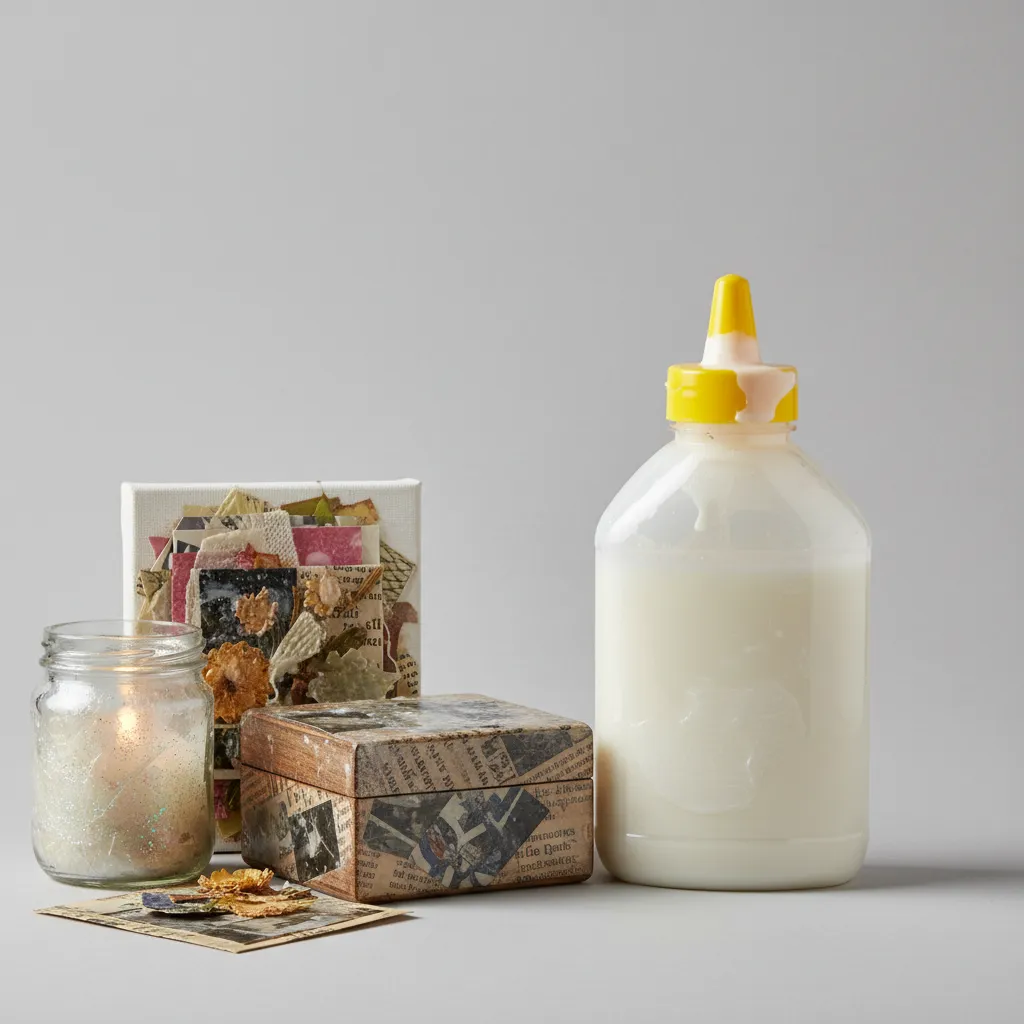
Now, if you’re wondering, can wicker be painted differently? Consider decoupage for a textured look or using outdoor fabric to cover the seat. These alternatives add originality and style beyond just paint! If you’re exploring creative surface transformations, painting tile surfaces offers similar possibilities.


Also See: Can You Paint Green Treated Lumber? Tips and Tricks!
FAQs About Painting Wicker
Can I Use Regular Paint on Wicker?
Yes, you can use regular paint on wicker. Choose a paint that’s durable and suited for outdoor use if the furniture is exposed to the elements.
How Do I Prepare Wicker Before Painting?
Preparing wicker before painting is essential for the best results. Clean it thoroughly with soap and water, then let it dry completely before applying paint.
Is It Better to Spray Paint or Use a Brush for Wicker?
Using spray paint is often better for wicker than a brush. Spray paint provides an even coat that penetrates the crevices, while a brush may leave clumps.
Can I Change the Color Of My Wicker Furniture?
Yes, you can change the color of your wicker furniture. Use primer and paint specifically designed for wicker to achieve rich color and effective coverage.
How Long Does the Paint Last on Wicker?
The paint can last 5 to 10 years on wicker, depending on the quality of paint used and the environment it’s in. Proper maintenance helps extend its lifespan.
Can I Use Acrylic Paint on Wicker?
Yes, you can use acrylic paint on wicker. It dries quickly and provides good adhesion, making it a popular choice for various surfaces.
Do I Need to Seal Painted Wicker?
Yes, sealing painted wicker is recommended. A clear sealer adds protection and can prevent chipping, especially for outdoor furniture.
Can You Paint Wicker Baskets?
Absolutely, you can paint wicker baskets. Just ensure they’re clean, dry, and follow up with a suitable sealer to maintain the look.
How Often Should I Repaint My Wicker Furniture?
You should repaint your wicker furniture every 3 to 5 years, depending on wear and tear from sunlight, moisture, and other factors. Regular upkeep keeps it vibrant.
Conclusion
We’ve covered a lot: what wicker is, how to prepare your wicker furniture, the steps to successfully paint it, color recommendations, various wicker materials and their compatibility with paint, factors affecting painting, common issues, finishing touches, and creative DIY ideas.
So, can wicker be painted? Yes, it can be, but preparation is key. Follow the steps I laid out and consider the type of wicker you’re working with. I hope these painting tips prove valuable to you in your next DIY project.
For further insights and detailed guidance, be sure to visit Paint Answers.
Useful Resources
- Gurney, J. (2009). Color and Light: A Guide for the Realist Painter. Kansas City, MO: Andrews McMeel Publishing.
- Can wicker be painted? – Fency
- How to Spray Paint Wicker Furniture –
- Best way to paint wicker?
Experienced interior designer with 15+ years in transforming spaces, blending artistry with expertise in color and design. Rhode Island School of Design graduate, specializing in restorations and modern makeovers.
Material, Wood