Can You Paint Your Brake Calipers?
Brake calipers are the parts of your car that squeeze the brake pads to stop the wheels. Think of them like giant hands that hug the wheels to make your car slow down!
Can you paint your brake calipers? Yes, you can, and it’s super important to do it right to keep your car looking sharp and working well. I once painted mine and learned it’s not just about looks, but it can help protect against rust too!
In this article, you’ll discover what brake calipers are, what you need to know before painting them, the steps to paint them well, suitable paint types, recommended colors, common issues, finishing touches, expert tips, and creative DIY ideas. It’s all about how to paint calipers without removing them so you can achieve that fresh, sporty look with ease.
Contents
- 1 Can You Paint Your Brake Calipers?
- 2 What Are Brake Calipers?
- 3 What You Need to Know Before You Start Painting Brake Calipers
- 4 Steps to Successfully Paint Your Brake Calipers
- 5 Recommended Color Palette for Brake Calipers
- 6 Types Of Paint Suitable for Brake Calipers
- 7 Factors Affecting the Success Of Painting Brake Calipers
- 8 Common Issues When Painting Brake Calipers
- 9 Advantages of Painting Brake Calipers
- 10 Cost Analysis of Painting Brake Calipers
- 11 Creative DIY Project Ideas for Customizing Brake Calipers
- 12 Alternatives to Painting Brake Calipers
- 13 Understanding Brake Dust and Its Effects on Painted Calipers
- 14 Frequently Asked Questions About Painting Brake Calipers
- 15 Conclusion
- 16 Useful Resources
Can You Paint Your Brake Calipers?
Yes, you can paint your brake calipers! Make sure to use high-temperature paint designed for car parts. Clean the calipers thoroughly for best results. Remember, proper prep is key to a lasting finish. When working with automotive paint, it’s crucial to know how temperature affects your materials preventing paint freezing issues.
What Are Brake Calipers?
Brake calipers are essential components of your vehicle’s braking system. They hold the brake pads and use hydraulic force to compress them against the brake rotors, generating the friction needed to stop the car.
Now, about painting them—it’s a hot topic among car enthusiasts. I remember the first time I painted my own calipers; it felt like a fun DIY project that transformed my car’s look.
I often used brake calipers as a conversation starter. The vibrant color completely changed the vibe of my ride! It’s fascinating to think about painting calipers without removing them from the car—a great way to maintain fresh aesthetics while ensuring safety. However, improper painting techniques can potentially harm your vehicle’s finish, so it’s crucial to protect your paint during customization.
What You Need to Know Before You Start Painting Brake Calipers
What do you need to start the process?
- Caliper Paint: Choose a brand like G2 R Aluminum Caliper Paint; it’s durable and heat-resistant, ensuring your paint lasts under high temperatures.
- Brake Cleaner: Use CRC Brake Cleaner; its quick-drying formula prepares the surface well, which is crucial for paint adhesion.
- Masking Tape: Buy high-quality automotive tape, such as 3M Automotive Masking Tape. This helps you achieve clean edges and prevents paint from reaching unintended areas.
- Protective Gear: Have gloves, a mask, and safety glasses. Look for well-reviewed brands like 3M respiratory masks to protect yourself from fumes.
We’ve wrapped up essential tips for painting brake calipers here. Let us turn our attention to the steps for successful painting.
Also See: Can You Die From Sleeping in a Freshly Painted Room?
Steps to Successfully Paint Your Brake Calipers
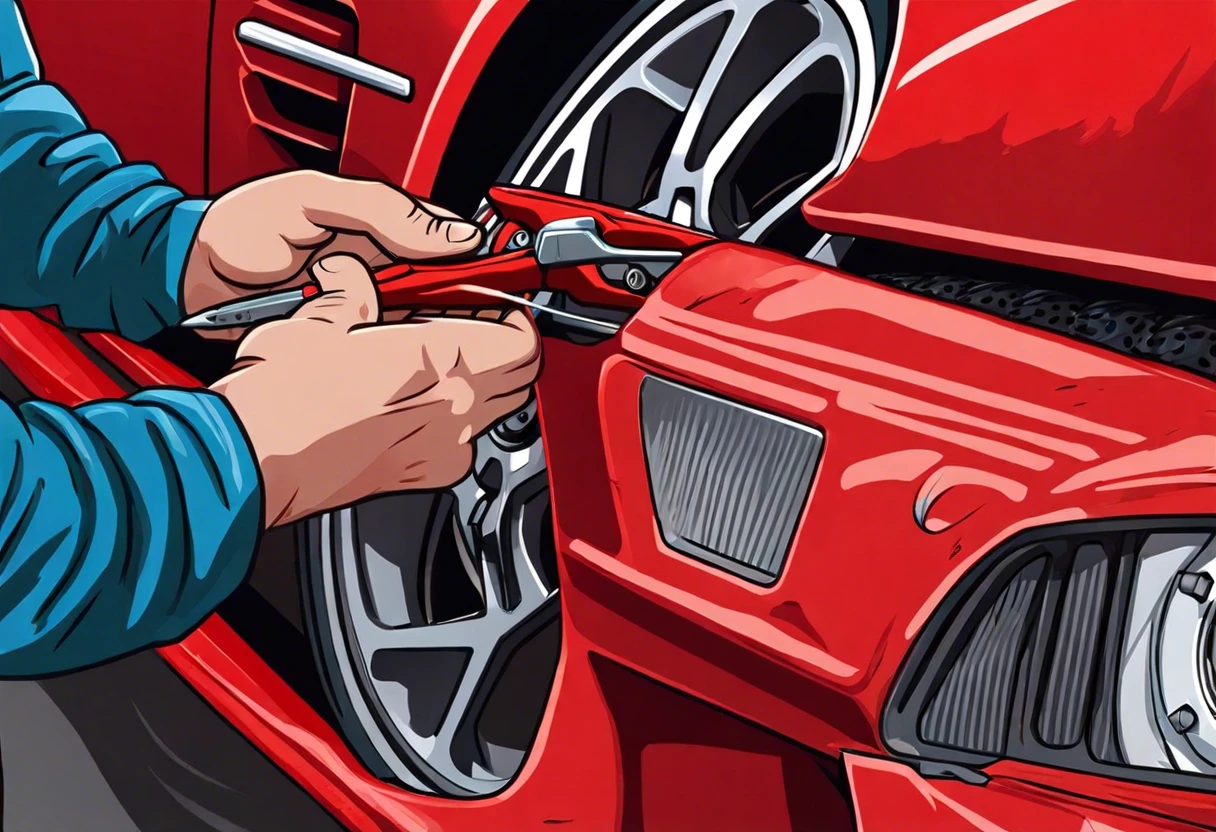
Here are the steps to brighten up those calipers at home. Let’s get started!
-
Prepare Your Vehicle and Calipers
Elevate your vehicle with a jack. Ensure it’s secure; safety comes first!
Remove the wheels to access the calipers. Use a brush to clean calipers, removing brake dust and grime.
-
Mask Off Surrounding Areas
Use painter’s tape to cover the brake rotor, brake lines, and other sensitive areas. Keeping these surfaces clean and free from paint is essential.
I once forgot to cover an area well—cleaning off overspray isn’t fun! So tackle this step carefully.
-
Apply Primer (if Necessary)
For best results, spray a high-heat resistant primer if your calipers are bare metal. This helps the paint adhere better and resist damage.
Let the primer dry for about 30 minutes. Painting on warm, dry primer creates a smoother final look.
-
Paint the Brake Calipers
Shake the spray can well before use. For even coverage, hold it 6-12 inches (15-30 Cm) from the calipers.
Apply 2-3 thin coats, allowing each coat to dry for at least 15-20 minutes. This way, you’ll achieve vibrant color without drips or clumps!
-
Allow to Dry and Cure
Once painted, let the calipers dry for at least 24 hours. This ensures a strong bond and helps avoid damage during reinstallation.
After a full day, speed up the curing process by applying an additional clear coat for extra durability. I’ve done this, and it’s worth it.
We’ve wrapped up the necessary steps to paint your brake calipers here. Let us turn our attention to recommended color choices.
Recommended Color Palette for Brake Calipers
I recommend the “Sporty Edge” color scheme to give your brake calipers a vibrant and dynamic flair. This palette features a bold main color, sharp accents, and harmonious additional colors that all complement each other well, making your calipers pop. If you’re considering painting over existing paint, you might want to explore automotive painting techniques.
| Color Box | Hex Code | Color Name |
|---|---|---|
| #FF5733 | Fiery Red | |
| #C70039 | Pomegranate | |
| #FFC300 | Sunshine Yellow | |
| #581845 | Purple Haze |
We’ve wrapped up the suggested color palette for brake calipers here. Let us turn our attention to suitable paint types.
Types Of Paint Suitable for Brake Calipers
Let’s explore the different types of paint you can use: High-Temperature Paint, VHT Paint, Powder Coating, and Spray Paint.
-
High-temperature Paint
High-temperature paint withstands heat up to 600°F (315°C). It’s designed to resist wear and oxidation, making it ideal for brake calipers in extreme conditions.
-
VHT Paint
VHT (Very High Temperature) paint is an excellent choice. It offers high durability and prevents chipping, making it perfect for those wondering, “Can you paint your brake calipers?”
-
Powder Coating
If you’re looking for a robust finish, powder coating is unbeatable. Applied electrostatically and cured under heat, it provides a tough layer that can last for years on brake calipers.
-
Spray Paint
Spray paint is the most common DIY option. It’s easy to use and comes in many colors, but it requires careful prep to prevent peeling over time.
From both successes and failures, I’ve learned that High-Temperature Paint works wonders on brake calipers. Its heat resistance keeps the paint intact better than any other type I’ve tried.
You should now have a good understanding of suitable paint types for brake calipers. In the next part, we’ll discuss success factors for painting.
Factors Affecting the Success Of Painting Brake Calipers
What factors influence your ability to paint calipers effectively?
-
Material of the Calipers: The material affects paint adhesion; metal and plastic react differently.
-
Coverage Area: Larger calipers require more paint; ensure you have enough for an even coat.
-
Temperature: Painting in cold conditions can lead to poor adhesion; aim for about 60°F (15°C).
-
Preparation Process: Proper cleaning removes grime; it’s crucial for a durable finish.
Common Issues When Painting Brake Calipers
My friend faced issues with paint adhering to his old brake calipers. He didn’t clean them properly, so the paint chipped easily. The caliper needs a thorough scrub with brake cleaner regularly. When working with paints on different surfaces, it’s crucial to understand potential challenges like paint adhesion and removal, which is why paint staining concerns matter.
For best results, use high-temperature brake caliper paint like VHT (Up to 260°C or 500°F). Add a ceramic clear coat for extra durability. It also helps prevent corrosion!
Advantages of Painting Brake Calipers
Painting your brake calipers has great benefits beyond just aesthetics.
-
Corrosion Prevention
High-quality brake caliper paint contains additives that help resist rust and corrosion. It’ll last longer when protected.
-
Improved Resale Value
A well-painted caliper can enhance your car’s overall appearance, potentially increasing its resale value.
-
Custom Look
You can personalize your vehicle with unique colors and designs. It’s a way to express your style on the road.
Cost Analysis of Painting Brake Calipers
Want to know how much it’ll cost? Here’s a breakdown.
| Item | Estimated Cost ($) | Details |
|---|---|---|
| High-Temperature Paint | 15 – 40 | Prices vary by brand and color. Specialty colors cost more. |
| Brake Cleaner | 5 – 15 | Essential for prep work. Choose quick-dry options. |
| Masking Tape | 5 – 10 | Get high-quality tape to ensure clean lines. |
| Protective Gear | 10 – 30 | Invest in gloves, masks, and safety glasses for protection. |
Total Estimated Cost: 35 – 95 without labor!
Creative DIY Project Ideas for Customizing Brake Calipers
Ever thought about making your brake calipers pop? Try using bold colors and funky designs like abstract art or funky patterns – why not bring a little Picasso to your ride?
For these projects, you’ll need high-temp paint (Around $15) and a few brushes. Expect to spend about 2-3 hours preping, painting and curing for that perfect finish!
If you want alternatives to the classic paint jobs, consider using vinyl wraps! I once wrapped my calipers, and it turned out awesome without the mess of paint. You can also try professional caliper covers for a slick look that’s super easy to install. When exploring creative surface transformations, you might wonder about painting techniques for different materials.
Alternatives to Painting Brake Calipers
If painting isn’t your style, there are other ways to customize your brake calipers.
-
Caliper Covers
Caliper covers give your calipers a sleek look without the mess of paint. They’re easy to install and come in various colors and designs, perfect for a quick upgrade!
-
Vinyl Wrapping
Vinyl wraps offer a flexible approach. You can easily change colors or designs whenever you want. Just remember to keep the calipers clean for the best adhesion.
-
Hydro Dipping
This technique allows for intricate designs and patterns. Hydro dipping uses water to transfer patterns onto surfaces, giving your calipers a unique flair.
Understanding Brake Dust and Its Effects on Painted Calipers
Brake dust can take a toll on painted calipers. Here’s what you need to know:
| Factor | Effect on Painted Calipers | Maintenance Tip |
|---|---|---|
| Brake Dust Accumulation | Can cause paint to chip or wear away faster. | Regularly clean calipers with a soft brush and brake cleaner. |
| Environmental Factors | Rain or road grime can deteriorate the paint. | Seal with a clear coat after painting for extra protection. |
| Type of Brake Pads | Some pads produce more dust than others, affecting paint. | Choose low-dust brake pads to minimize buildup. |
Frequently Asked Questions About Painting Brake Calipers
Can I Use Regular Paint on My Brake Calipers?
No, you can’t use regular paint on your brake calipers. Brake calipers require high-temperature paint or specialized caliper paint to withstand the heat generated during braking, often reaching up to 300°C (572°F).
How Long Does the Paint Last on Brake Calipers?
The paint on brake calipers lasts about 2-5 years with proper care. Factors like exposure to brake dust, moisture, and road grime can affect longevity, potentially prompting periodic touch-ups. If you’re considering refreshing your caliper’s appearance, painting metal surfaces requires specific techniques.
Is It Safe to Paint My Brake Calipers?
Yes, it is safe to paint your brake calipers if done correctly. Use high-temperature paint and ensure full surface preparation to avoid any issues with braking performance or safety.
What Colors Can I Choose for My Brake Calipers?
You have a wide color selection for your brake calipers! Options include classic colors like red, black, or silver, and bold hues like neon yellow and blue. Just ensure the paint is heat-resistant. If you accidentally overspray or need to correct your paint job, you might want to explore effective spray paint removal techniques.
How Can I Ensure an Even Coat Of Paint?
You can ensure an even coat of paint by applying it in thin layers. Spray techniques work best, aiming for consistent distance (Around 20-30 Cm or 8-12 Inches) while applying each layer for a smooth finish. If you’re curious about specific spray painting methods, baking spray paint techniques can provide additional professional insights into achieving optimal results.
Can I Paint the Calipers Without Removing Them?
Yes, you can paint the calipers without removing them. Proper masking of surrounding areas is crucial, along with meticulous cleaning to achieve the best results directly on the vehicle.
What Tools Do I Need to Paint Brake Calipers?
You’ll need sandpaper 🔥 Deal: Assorted Grit Sandpaper → , brake cleaner, masking tape, and brushes or spray cans for optimal application. Proper tools help in the process, ensuring great coverage and minimal mess.
Also See: Can Automatic Car Wash Damage Paint? Find Out Here!
Conclusion
We covered key points like what brake calipers are, steps to paint them, factors affecting the process, a recommended color palette, paint types to use, common issues, finishing touches, unique inspection items, expert tips, and DIY ideas.
In summary, with the right tools and knowledge, you can successfully paint your brake calipers, achieving a stylish and customized look—happy customizing!
For further insights and comprehensive information, explore our homepage: Paint Answers.
Useful Resources
Experienced interior designer with 15+ years in transforming spaces, blending artistry with expertise in color and design. Rhode Island School of Design graduate, specializing in restorations and modern makeovers.
Car, Misc.