Can Bricks Be Painted?
Published on: April 23, 2026 | Last Updated: January 29, 2026
Written By: Alisha Winters
Bricks are hard blocks made from clay, shaped and baked to build things like houses. They’re strong and colorful, like tiny colorful building blocks that create walls.
So, can bricks be painted? It’s important because exterior brick wall painting can change how your bricks look, protect them from weather, and even increase your home’s value. I remember painting a brick wall in my backyard; it felt like bringing art to life!
In this guide, we’ll cover key considerations before painting bricks, a step-by-step guide, recommended colors, compatibility with different brick types, factors affecting the painting process, common issues, finishing touches for your project, and creative DIY ideas featuring painted bricks. You’ll also find answers to questions like how to get paint out of brick.
Can Bricks Be Painted?
Yes, bricks can be painted. Use masonry paint for the best adhesion and durability. It protects your bricks and enhances their appearance. If you’re wondering about paint compatibility between different surfaces, you might want to explore paint layering techniques. Just ensure the surface is clean and dry before you start painting.
What Are Bricks?
Bricks are rectangular blocks made from clay, concrete, or other materials. They typically measure 190 mm x 90 mm x 57 mm (7.5 In X 3.5 In X 2.25 In) and have a compressive strength of about 7 to 15 MPa (1,015 to 2,175 Psi). If you’re curious about alternative materials and their applications, you might want to explore painting techniques for different surfaces.



You might wonder if you can paint bricks. I painted some old bricks in my backyard for a project.
I found it useful for my garden makeover. It opened up a world of color and texture options, making my space pop. When you consider questions like “Can you paint brick?” exploring different designs and customizing your bricks can be a game-changer. If you’re curious about creative painting techniques, you might want to explore unique painting application methods.
Key Considerations Before You Start Painting Your Bricks
What do you need to get started?
- Outdoor Paint Primer: Use a primer like Zinsser Bulls Eye 1-2-3. It’s crucial for proper adhesion on your bricks.
- Exterior Latex Paint: Choose a paint such as Benjamin Moore Regal Select. This paint’s water-resistant and durable, essential for withstanding harsh weather.
- Stiff Bristle Brush: A brush like Wooster Shortcut is vital for getting paint into the brick texture and corners.
- Pressure Washer: Rent a pressure washer rated at 2000 to 3000 psi (Pounds Per Square Inch) to clean bricks effectively before painting.
- Drop Cloths: Use heavy-duty canvas drop cloths to protect surfaces underneath while you work. Prevention’s key to avoiding paint splatters!
We’ve wrapped up the essential factors to consider before painting your bricks here. Let us turn our attention to the step-by-step guide for painting bricks.
Also See: Can You Add Glitter to Wall Paint? Yes!
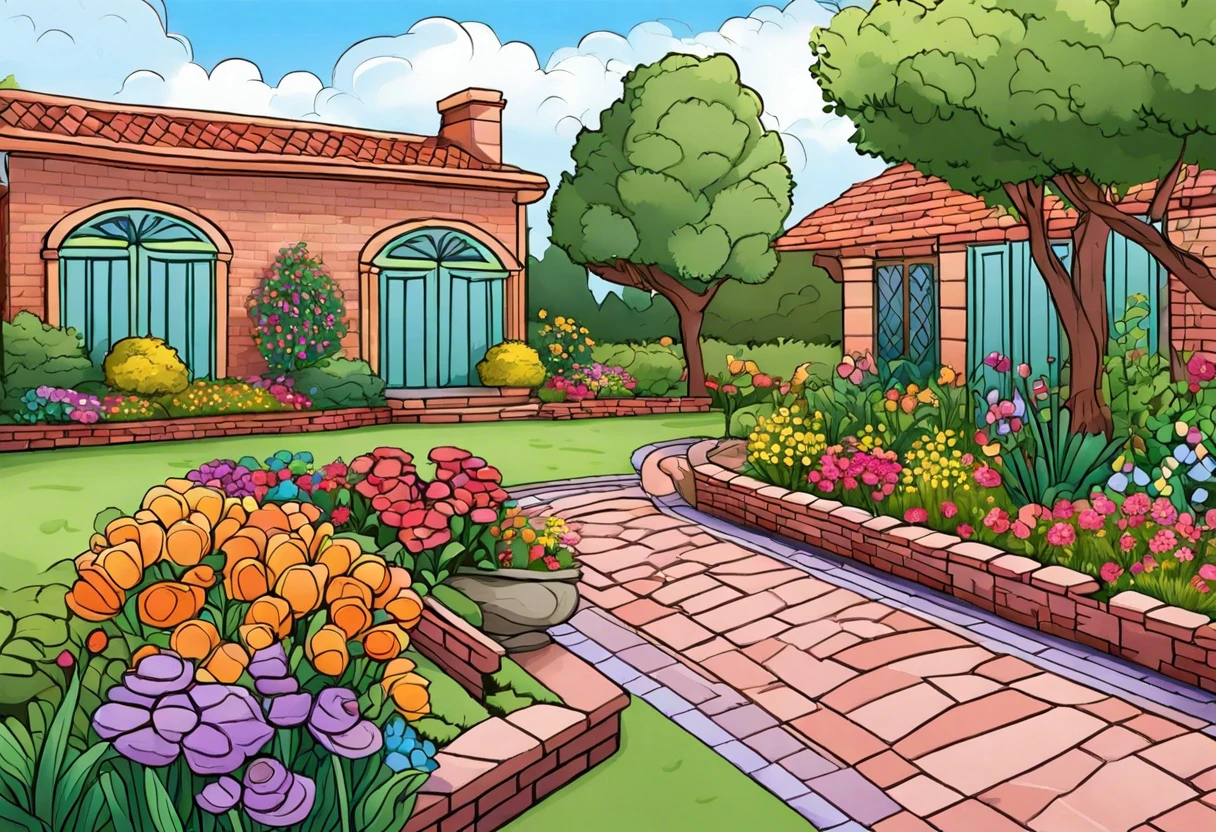
Step-by-step Guide to Painting Bricks
Here’s a guide on refreshing your bricks by painting them. Follow these steps for fantastic results.
-
Preparing the Brick Surface
Clean the brick thoroughly. Use a wire brush or pressure washer to remove dirt, dust, and loose paint. This step ensures better paint adhesion.
If there are heavy stains or old paint, use a paint remover designed for brick. A clean surface helps the paint stick better and last longer.
-
Selecting the Right Paint Type
Choose a high-quality masonry paint for exterior use. Look for paints labeled as “brick paint” or those that offer UV protection and moisture resistance.
Color matters too! Darker colors absorb heat and fade quicker, so consider lighter shades in sunny areas.
-
Applying Primer
Apply a coat of brick-compatible primer. Use a roller for larger areas and a brush for smaller spaces. Cover every inch of exposed brick.
Choose an alkali-resistant primer for the best results, especially with old, worn bricks. Primer enhances adhesion and durability—it’s worth it.
-
Painting the Bricks
Once the primer is dry, it’s time to paint! Apply the first coat of masonry paint using a roller for flat areas and a brush for corners and edges. Remember: two thin coats are better than one thick coat. If you’re curious about alternative painting techniques, exploring creative paint applications can expand your artistic skills.
One gallon (3.785 Liters) of paint covers about 250-400 square feet (23-37 Square Meters). A second coat improves color richness and durability.
-
Sealing the Painted Surface
After the paint has fully cured, apply a clear masonry sealer to protect against moisture and extend the paint’s lifespan. Look for breathable options ideal for exterior use.
This step creates a barrier that can extend the life of your freshly painted bricks beyond a few seasons. Sealing protects your bricks against the elements!
So far we covered a detailed guide on painting bricks. Let’s look at the different brick types and their paint compatibility next.
Different Types Of Bricks and Their Paint Compatibility
Let’s explore the different types of bricks you might encounter: Clay Bricks, Concrete Bricks, Silicate Bricks, and Navy Bricks.
-
Clay Bricks
Clay bricks are fired at high temperatures, forming a hard, durable surface. You can paint them, but use a breathable paint to avoid trapping moisture.
-
Concrete Bricks
Concrete bricks are made from a mixture of aggregates and cement. They’re great for painting since they absorb coatings well; however, a primer is often required for the best results.
-
Silicate Bricks
Silicate bricks consist of lime and sand, making them lighter and softer than clay and concrete bricks. They can generally be painted, but avoid non-breathable paints to prevent peeling.
-
Navy Bricks
Navy bricks are strong, water-resistant, and typically used in coastal regions. You can paint them, but choose specialized marine paint that withstands the elements. Otherwise, the paint won’t adhere properly. If you’re curious about painting different surfaces, you might want to explore painting techniques for various materials.
Having worked in the field for a while, I love working with clay bricks. Their texture enhances colors beautifully, and the variety of paint options fuels my creativity.
That covers various brick types and their paint interactions. Let’s now take a look at elements influencing the painting process of bricks.
Factors Affecting the Painting Process Of Bricks
What factors determine if bricks can be painted effectively? Here’s a quick rundown.
-
Brick Porosity Some bricks absorb paint better than others; highly porous bricks may require more coats.
-
Type of Paint Not all paints adhere well. Use acrylic or breathable masonry paint for the best results.
-
Surface Preparation Cleaning is crucial. Dirt or old paint can lead to poor adhesion and flaking.
-
Weather Conditions High humidity or cold weather results in poor outcomes; conditions lower than 10°C (50°F) are risky.
That covers the elements influencing the brick painting process. Let’s now take a look at typical challenges when painting bricks.
Common Issues to Expect When Painting Bricks
My friend once painted his bricks without cleaning them first. The paint bubbled and peeled! Just like that, the beauty vanished.
To fix this, clean with a pressure washer (About 3000 PSI). Use a primer made for masonry. This’ll ensure the paint adheres properly. Trust me, you’ll get better results!
Finishing Touches for Your Painted Brick Project
After you’ve painted your bricks, don’t skip sealing them with a quality masonry sealer. Aim for a product like RTG Deck, Concrete, and Patio Cleaner for the best results within 72 hours.
Inspect your painted bricks each season for uniform fading. Check closely for sheen loss; areas that should be glossy need to maintain a gloss reading of 85 gloss units.
Here’s a pro tip from my past projects: Use a diluted bleach ⭐ Top Rated: Clorox Concentrated Bleach → solution (1:4) to refresh colors in high-dirt areas before sealing, ensuring your bricks stay vibrant.
Maintenance Tips for Painted Bricks
Keeping your painted bricks fresh is essential for long-lasting beauty!
- Regular Cleaning: Clean your bricks every few months with a mild detergent and water. A soft brush helps remove dirt without damaging the paint.
- Inspect for Damage: Check for chips or fading. Addressing issues quickly can save you from larger repairs later.
- Seasonal Touch-ups: Consider touching up areas that wear more quickly. This could be every 1-2 years, especially in harsh climates.
Benefits of Painting Bricks
Painting bricks isn’t just about looks. It comes with several perks!
- Enhanced Aesthetic Appeal: A fresh coat of paint can transform the dullest bricks into eye-catching features and elevate your property’s value.
- Protection from Weather: Masonry paint shields bricks from rain, snow, and extreme temperatures, which helps prevent damage and cracks.
- Color Variety: With paint, you can choose any color you want, giving you complete control over your home’s look and feel.
- Moisture Control: Quality paints can improve moisture management, promoting the longevity of brickwork by preventing absorbing water.
Challenges When Painting Bricks
Painting bricks may come with its challenges too. Let’s take a look.
- Surface Preparation: As mentioned earlier, proper cleaning is essential for good adhesion. This means you might have to work harder before you paint.
- Fading Over Time: Colors may fade, especially in sunny areas. Consider lighter hues or specialized UV-protective paints.
- Maintenance Needs: While you’ll enjoy the look, painted bricks require upkeep to maintain their charm and durability.
Long-term Effects of Painted Bricks
Wondering what happens after painting? Check this out.
| Duration | Potential Changes | Action Required |
|---|---|---|
| 1 Year | Color vibrancy might start to dull | Inspect and touch up as needed |
| 5 Years | Visible wear and fading | Consider repainting or resealing |
| 10+ Years | Potential textural changes and peeling | Evaluate if stripping and repainting are necessary |
Creative DIY Project Ideas Featuring Painted Bricks
How about turning old bricks into whimsical garden markers or a funky outdoor tabletop? You could even create colorful welcome signs for your front porch!
I’d visit a local hardware store for some outdoor paint, brushes, and possibly some sealant. Materials could cost around $30-$50, plus it’ll take you a few sun-soaked hours to complete these vibrant projects! If you’re curious about professional painting techniques and current art preservation, check out exterior painting techniques.
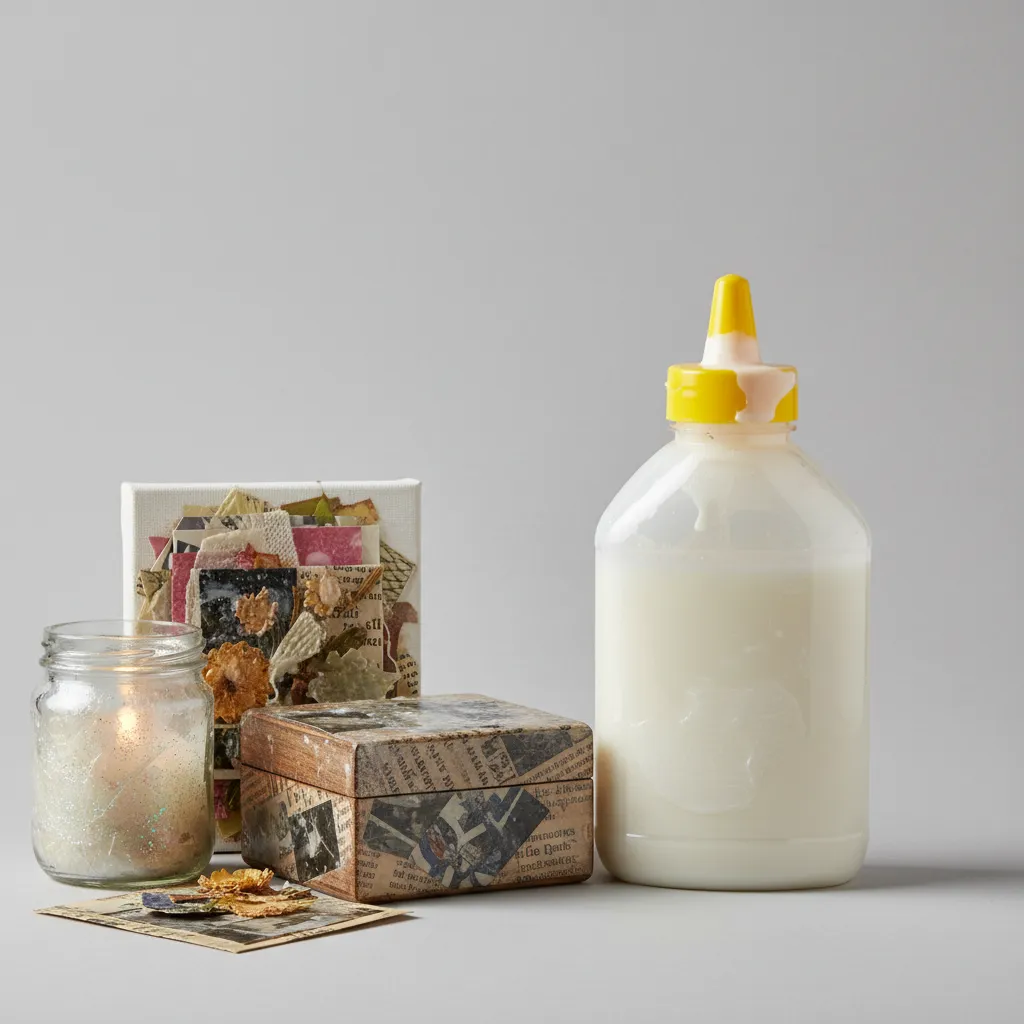
If you’re wondering about alternatives, try using fabric or paper instead of paint for a unique touch. I often use decoupage on bricks – it really brings out your personality and is super easy to do! When working with different surfaces, you might want to explore baking techniques for acrylic paint.

Frequently Asked Questions About Painting Bricks
Is It Safe to Paint Bricks?
Yes, it is safe to paint bricks. Properly painted bricks can protect against moisture and weather damage, extending their lifespan by years.
Can I Use Regular Wall Paint on Bricks?
No, you can’t use regular wall paint on bricks. Specialized masonry paint allows bricks to breathe and prevent moisture build-up that can cause damage.
How Long Does Painted Brick Last?
Painted brick can last 5 to 15 years, depending on the paint used and the brick’s exposure to the elements. Quality paint and proper application lead to longevity.
Can Painted Bricks Be Reverted Back to Their Original State?
Yes, painted bricks can be reverted back to their original state. You’ll need to strip or sandblast the paint, which may cost between $1 to $3 per square foot.
What Maintenance is Required for Painted Bricks?
Low maintenance is required for painted bricks. Regular cleaning with a soft brush and mild detergent keeps them looking fresh; however, occasional repainting may be necessary.
Can Weather Affect Painted Brick?
Yes, weather can affect painted brick. These bricks can experience peeling or fading under extreme temperatures or heavy rain, so protection is crucial.
Is Sealing Painted Bricks Necessary?
Yes, sealing painted bricks is necessary. A good sealant adds an extra layer of protection against moisture and UV fade, prolonging the life of your paint job.
What Type Of Paint is Best for Bricks?
The best paint for bricks is 100% acrylic latex masonry paint. It withstands weather changes and allows moisture to escape, ensuring the brick’s integrity.
Also See: What Does a Curb Painted White Mean? Explained
Conclusion
We’ve reached the end, and I appreciate you sticking around. We covered what bricks are, key considerations before you start painting, a step-by-step guide to painting, recommended color palettes, various types of bricks and their paint compatibility, factors affecting the painting process, common issues you might face, and some creative DIY project ideas.
Happy to say, yes, you can paint bricks. Remember to consider the type of brick, prep the surface properly, and use the right paint to ensure a successful outcome.
For more expert insights and additional guidance, visit Paint Answers.
Useful Resources
- Gurney, J. (2009). Color and Light: A Guide for the Realist Painter. Kansas City, MO: Andrews McMeel Publishing.
Experienced interior designer with 15+ years in transforming spaces, blending artistry with expertise in color and design. Rhode Island School of Design graduate, specializing in restorations and modern makeovers.
Exterior, Wall