Can Latex Paint Go Over Oil Based Paint?
Published on: January 12, 2026 | Last Updated: October 1, 2025
Written By: paint_answered
Contents
- 1 Can Latex Paint Go Over Oil Based Paint?
- 2 What is Latex Paint?
- 3 Important Considerations Before You Start Your Project
- 4 Steps to Successfully Paint Over Oil-based Paint With Latex
- 5 Types Of Paints to Consider When Painting Over Oil-based Paint
- 6 Factors Affecting the Success Of Latex Paint Over Oil-based Paint
- 7 Common Issues Encountered When Painting Over Oil-based Paint With Latex
- 8 Finishing Touches: Ensuring a Flawless Finish
- 9 Tips for Achieving a Smooth Finish
- 10 Comparing Paint Finish Options
- 11 Understanding Curing Times
- 12 Frequently Asked Questions About Latex Paint Over Oil Based Paint
- 13 Conclusion
- 14 Useful Resources
Can Latex Paint Go Over Oil Based Paint?
Yes, you can use latex paint over oil-based paint, but you need to prep the surface. Clean it well, then lightly sand it for better adhesion. A primer can help too. Always give it time to dry!
What is Latex Paint?
Latex paint is a water-based paint made from pigments suspended in a polymer emulsion. It’s quick-drying and typically has a low volatile organic compound (VOC) level, often below 50 g/L (Grams Per Liter). If you’re looking to explore creative painting techniques like capturing vibrant sunset scenes, latex paint techniques can be an exciting way to apply your paint knowledge.
Using latex paint over oil-based paint is a common dilemma. I faced this while updating an old piece of furniture and was surprised by the difference in adhesion.
You might be surprised, but I used it to paint my kitchen cabinets. The transformation was incredible! I quickly learned that using latex on oil-based paint can be tricky. However, thoroughly preparing the surface made a significant difference. To eliminate confusion, remember that oil-based paints usually require specific cleaning or thinning methods, like using solvents. It’s all about knowing how to handle each type effectively!
Important Considerations Before You Start Your Project
What do you need to prepare for your painting job?
- Paint Stripper: Choose a product like Citristrip or Klean-Strip. It’s essential for removing old oil-based paint, allowing better adhesion of latex paint.
- Primer: Look for a high-adhesion primer such as Zinsser Bulls Eye 1-2-3. This acts as a bonding layer, ensuring your latex paint sticks well to the oily surface.
- Sanding Block: Get sandpaper 💰 Save on Assorted Grit Sandpaper → with a grit range of 120-220, like 3M Sandpaper. This smooths the surface, eliminating bumps and improving paint adhesion.
- Cleaning Solution: Use TSP (Trisodium Phosphate) or a degreaser. It removes grease and dirt, which is crucial for a smooth application.
- Roller and Brush Set: An affordable set, like Purdy or Wooster, is essential for even application of latex paint on the prepared surface.
We have now covered essential factors to consider before starting your project. Next, we will explore steps for painting over oil-based paint.
Also See: Can Acrylic Paint Be Baked? Tips for Baked Projects!
Steps to Successfully Paint Over Oil-based Paint With Latex
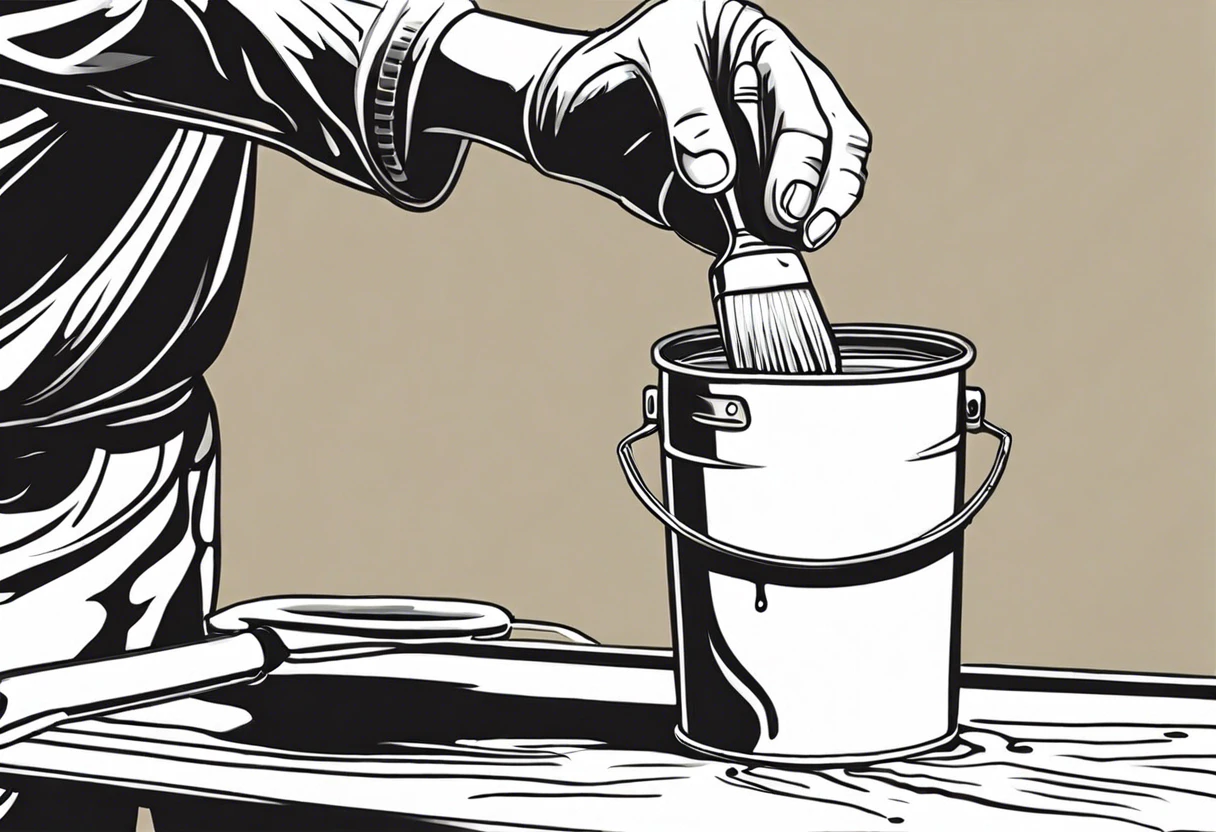
Here are the steps to easily paint latex over oil-based paint.
-
Assess the Existing Oil-based Paint Surface
Examine the oil-based paint for peeling or flaking. Check the edges closely; if they lift easily, this area needs more preparation.
Areas with strong adhesion can remain. Select spots needing work. Testing a small area is wise for longer projects.
-
Clean the Surface Thoroughly
Scrub the surface with a mixture of warm water and dish soap. Remove all grease and grime, as residue can affect your latex application.
Finish with a wipe down using denatured alcohol to eliminate hidden oils, priming your surface for painting.
-
Sand the Oil-based Paint
Start sanding with 120-grit sandpaper to scuff the surface. This creates a rough texture, allowing the latex paint to grip better.
Use a vacuum or cloth to remove dust afterward, ensuring a clean surface. Use finer sandpaper (Around 220-grit) for smoother spots only if needed.
-
Apply a Primer for Better Adhesion
Choose a good oil-based primer before applying latex paint; this creates a bonding layer. Look for products like Zinsser to enhance adhesion.
Apply one even coat and let it dry for at least an hour, but always check the product instructions. Don’t paint too soon to avoid peeling.
-
Paint With the Chosen Latex Paint
Select high-quality latex paint from PPG or Sherwin-Williams for the best results. Start with one coat; thinner layers help avoid drip marks.
Let it dry for the recommended time. Apply a second coat for a more even finish; it typically dries in 2-4 hours, but check specific guidelines.
That covers the methods for painting over oil-based paint with latex. Let’s now take a look at paint options available.
Types Of Paints to Consider When Painting Over Oil-based Paint
Let’s look at different types of paints: Latex Paint, Acrylic Paint, Alkyd Paint, and Water-Based Paint.
-
Latex Paint
Latex paint is a water-based option known for its quick drying time of about 1-2 hours. It’s compatible with oil-based paint, but don’t forget to seal the surface!
-
Acrylic Paint
Acrylic paint shares many qualities with latex paint and offers excellent color retention. Many people prefer its flexibility; it often performs well over previous oil-based layers.
-
Alkyd Paint
Alkyd paint is oil-based but has a synthetic polymer structure that provides a smooth finish. It’s a great choice for projects requiring durability over oil products!
-
Water-based Paint
Water-based paints offer easy application and improved durability. They can be used over oil-based primers, but remember to prepare carefully for optimal adhesion!
This reminds me of a valuable lesson I learned when I used latex paint over oil-based paint in my living room. Proper surface preparation and a primer made all the difference in achieving a flawless finish! If you’re considering painting your apartment walls, painting techniques can transform your space.
You should now have a good understanding of different paint types for use over oil-based paint. In the next part, we’ll discuss factors affecting latex paint’s success over oil-based paint.
Factors Affecting the Success Of Latex Paint Over Oil-based Paint
What factors influence the use of latex over oil-based paint?
-
Surface Preparation: Cleaning and sanding the surface promotes better adhesion.
-
Type of Oil-Based Paint: Some oil paints are more compatible, affecting latex adhesion.
Recommended SuppliesAs an Amazon Associate, I earn from qualifying purchases. Images are representative. -
Condition of Existing Paint: Flaking or peeling oil-based paint requires treatment before applying latex.
-
Environmental Conditions: Humidity and temperature can affect latex bonding to oil paint.



That covers the factors influencing the effectiveness of latex paint compared to oil-based paint. Let’s now take a look at common challenges faced when painting over oil-based paint with latex. If you’re considering painting your apartment, painting techniques can make a significant difference.

Common Issues Encountered When Painting Over Oil-based Paint With Latex
My friend learned the hard way that latex paint doesn’t stick well to oil-based paint. After a failed weekend project, she had to strip the wall. Always test for adhesion first!
To ensure success, lightly sand the surface and apply a bonding primer. Use a high-quality primer for the best results. It’s also crucial to wait 24 hours before applying latex.
Finishing Touches: Ensuring a Flawless Finish
After tackling that layered paint situation, let the latex cure for at least 7 days at 25°C (77°F) before cleaning. Clean tools immediately with warm, soapy water for the best results.
Inspect for imperfections like brush strokes or uneven saturation; these are common with latex. Use high-quality touch-up paint, like Sherwin-Williams ProClassic, for repairs.
Here’s a pro tip from my past projects: apply a second coat of the same latex to troubled areas after drying to even out color and texture. Speed up drying with a fan.
Tips for Achieving a Smooth Finish
What can you do to ensure an even and smooth latex paint application over oil-based paint?
- Choose the Right Tools: Opt for high-quality brushes or rollers, as they greatly affect the finish. I recommend a 1.5-inch (3.81 cm) angled brush for precise edges.
- Keep a Wet Edge: Work quickly to maintain a wet edge while painting. This helps prevent lap marks—those annoying lines that can ruin your finish!
- Thin Your Paint: If your latex paint feels too thick, consider adding a small amount of water (up to 10% by volume). Thinning helps with smoother application.
Comparing Paint Finish Options
Let’s compare the finish types to see which works best for your project.
| Finish Type | Characteristics | Best Use Cases |
|---|---|---|
| Matte | Flat with no shine, hides imperfections. | Low-traffic areas, ceilings. |
| Eggshell | Satin-like glow, easy to clean. | Living rooms, bedrooms. |
| Semi-Gloss | Reflective finish, durable. | Kitchens, bathrooms, moldings. |
| High Gloss | Shiny surface, highlights details. | Trim work, cabinets. |
This comparison can help you pick the right type of finish for your project, ensuring both visual appeal and functionality.
Understanding Curing Times
Curing times matter when you’re painting over oil-based surfaces. Here are some crucial insights:
- Latex Paint: Typically cures in 2-4 hours. However, full hardness can take 7 days.
- Oil-Based Paint: Cures slowly, often needing 24 hours before recoating, and can take up to 30 days to harden completely.
Knowing these times helps you plan your project right. Patience is key for a lasting finish!
Frequently Asked Questions About Latex Paint Over Oil Based Paint
Can I Use Latex Paint Over Oil Based Paint Without Priming?
Yes, you can use latex paint over oil based paint without priming, but it’s not recommended. Priming can improve adhesion and longevity. It helps to prevent peeling, especially in humid environments. If you’re curious about painting techniques and surface preparation, painting preparation requires careful consideration.
How Long Should I Wait Before Applying Latex Paint Over Oil Based Paint?
You should wait at least 24 hours before applying latex paint over oil based paint. This wait time allows the oil based coat to cure properly, which is essential for effective bonding.
Can I Mix Latex and Oil Based Paints?
No, you cannot mix latex and oil based paints. Mixing them can create an unpredictable consistency and impact the paint’s performance. It’s best to choose one type to ensure a quality finish.
What Tools Do I Need to Paint Over Oil Based Paint?
You’ll need specific tools like high-quality brushes, a paint roller, and a primer if you choose to use one. Good tools help achieve a smooth application and reduce brush marks.
Will the Color Of Latex Paint Look Different Over Oil Based Paint?
Yes, the color of latex paint can look different over oil based paint. Oil based paints can alter the appearance of the latex finish due to their glossiness. A test patch is always a good idea. If you want to transform your furniture with a unique painted finish, explore antique painting techniques.
How Do I Know if I Have Oil Based Paint?
You can determine if you have oil based paint by using a cotton ball soaked in rubbing alcohol. If the paint softens and comes off, it’s latex. No change? It’s probably oil based.
Conclusion
That brings us to the end of our discussion on can latex paint go over oil-based paint.
We covered what latex paint is, key considerations before starting, steps for painting over oil-based paint, suitable color palettes, types of paints to consider, success factors, common issues, finishing touches, and DIY project ideas.
In short, yes, you can use latex paint over oil-based paint, but preparation and proper techniques are crucial. Wishing you success in your painting projects.
If you’re interested in exploring more painting insights, feel free to visit Paint Answers for additional resources.
Useful Resources
- Betti, C., & Sale, T. (2012). Drawing: A Contemporary Approach (6th ed.). Belmont, CA: Cengage Learning.
Also See: Can Acrylic Paint Be Used Outdoors? Yes, Here’s How!