Why is Lead Paint Harmful?
Published on: February 22, 2026 | Last Updated: October 1, 2025
Written By: paint_answered
Lead paint is a type of paint that has lead in it. Lead is a heavy metal, and it can be very bad for your health.
You might wonder why is lead paint harmful. It’s super important to know because lead can make people really sick, and I’ve seen this firsthand when helping friends renovate their homes.
In this article, we’ll explore what lead paint is, why there’s lead in paint, the risks of different types, steps to safely handle it, and how to create lead-safe environments. We’ll even discuss creative DIY project ideas for lead-free homes and answer common questions about lead paint.

- ✓
- ✓
- ✓

- ✓
- ✓
- ✓

Contents
- 1 Why is Lead Paint Harmful?
- 2 What is Lead Paint?
- 3 Important Considerations Before You Start
- 4 Steps to Safely Handle and Remove Lead Paint
- 5 Types Of Lead Paint and Their Associated Risks
- 6 Factors That Affect Lead Paint Hazard Levels
- 7 Common Issues Related to Lead Paint Safety
- 8 Finishing Touches: Ensuring a Lead-safe Environment
- 9 Frequently Asked Questions About Lead Paint and Its Dangers
- 10 Conclusion
- 11 Useful Resources
Why is Lead Paint Harmful?
Lead paint is harmful because it can cause serious health problems, especially in children. Exposure can lead to brain damage and developmental delays. Even small amounts of lead are dangerous, accumulating in the body over time. Avoiding lead paint is crucial for safe living spaces. Interestingly, the history of paint colors and their composition reveals fascinating insights into why traditional barn colors matter.
What is Lead Paint?
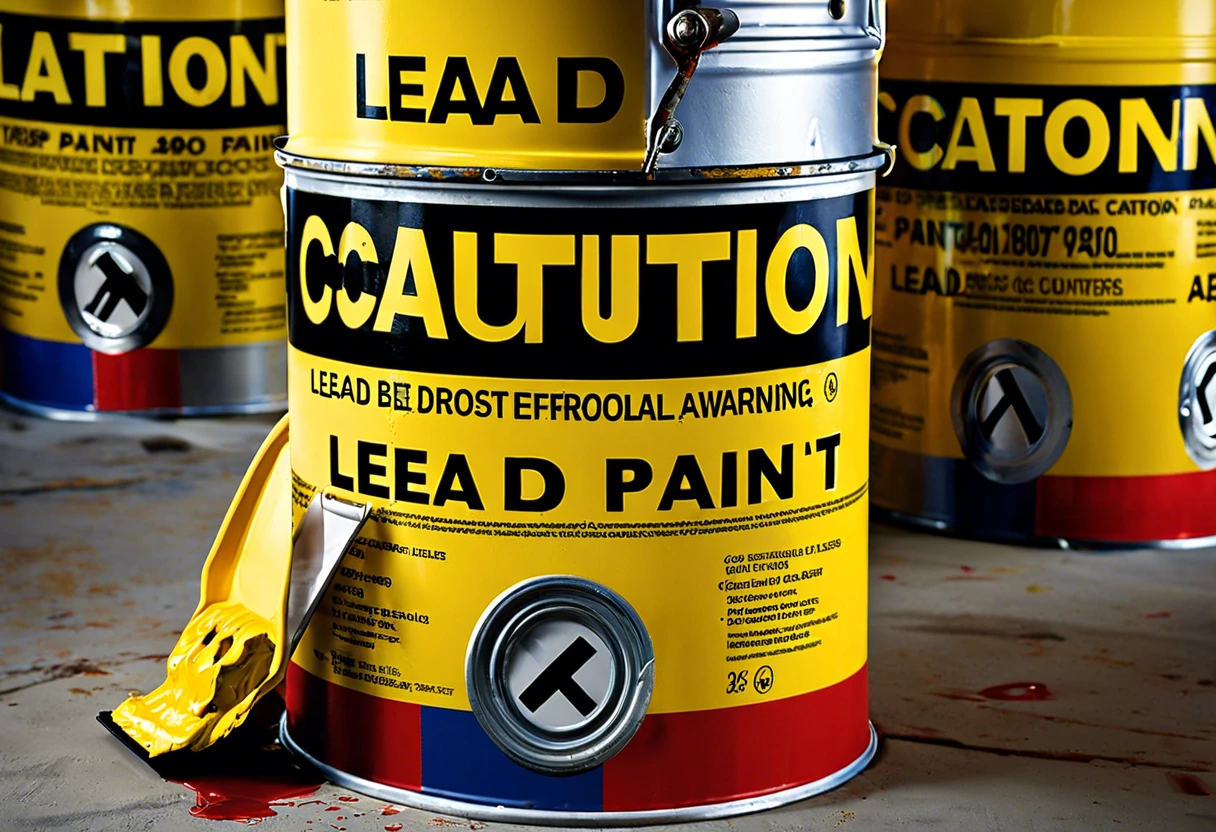
Lead paint is a type of paint that contains lead, a toxic metal. Under the 1978 U.S. law, paint could have up to 0.06% lead by weight, but many homes built before then were painted with lead-based products, sometimes with concentrations as high as 1.0% (10,000 Ppm). If you’re working with older surfaces, you might want to explore safe painting health practices.
Lead paint’s harmful effects depend on exposure levels. I know a family friend who experienced serious health issues after restoring an old home filled with lead paint.
Friends have told me lead paint was used for vibrant colors, but I never considered the harm it could cause. The hidden dangers of lead exposure, especially for children, made me think twice about restoring furniture or walls with older finishes. How dangerous is exterior lead paint? In my opinion, it’s crucial to use proper safety precautions when handling any lead-based materials. If you’re unsure about paint thinning techniques or need guidance on safe paint preparation, professional painters recommend specific methods.
Important Considerations Before You Start
What do you need to know before understanding why lead paint is harmful?
- Lead Testing Kit: You’ll need a kit like the 3M LeadCheck Test Kit. It detects lead in paint, ensuring safety.
- Personal Protective Equipment (PPE): Wear items like the Tyvek Protective Suit to prevent lead exposure during testing.
- HEPA Vacuum: Use a vacuum such as the Shark HV382. It efficiently removes lead dust, keeping your space safe.
- Waste Disposal Bags: Use certified bags, like those from Hazardous Waste Online. They safely contain toxic materials.
That covers key factors to consider before beginning. Let’s now take a look at how to safely handle and remove lead paint.
Also See: What Does a Painted White Curb Mean? Find Out Here!
Steps to Safely Handle and Remove Lead Paint
This section covers why lead paint is harmful and how to handle it safely.
-
Test for Lead Paint Presence
Test for lead paint using an EPA-certified test kit. Most kits detect lead levels as low as 0.1% (1,000 Ppm) in paint.
This ensures you’re aware of potential dangers. Lead can accumulate and harm health, especially in children.
-
Seal Off the Work Area
Block off the area where you’ll work. Use plastic sheeting to create a containment zone.
This limits lead dust exposure and keeps your work area focused on paint removal, reducing risks.
-
Moisten the Surface
Before scraping, thoroughly dampen the paint surface. Wet paint reduces dust while you work.
Use a spray bottle with water or a mixture of water and liquid soap to avoid creating lead dust. Take your time to ensure every inch is treated.
-
Prioritize Scraping and Removal
For removal, use appropriate scrapers to take off lead paint without creating dust clouds. Focus on dampened surfaces to avoid dry scraping.
Working while damp captures chips and dust immediately. I’ve found that a flexible putty knife yields the best results.
-
Clean Up Thoroughly
Clean all surfaces where lead dust may settle. Use a HEPA vacuum and damp mop technique to remove all particulates.
Rinse rags and wash materials properly, disposing of any lead waste according to local guidelines. Remember to wear gloves and a mask while doing this!
We have now covered safe methods for handling and removing lead paint. Next, we will explore lead paint types and their risks.
Types Of Lead Paint and Their Associated Risks
Let’s discuss the types of lead paint: residential, commercial, industrial, and artistic.
-
Residential Lead Paint
Homes built before 1978 often used lead paint. About 50% of these homes contain dangerous levels of lead that can harm children.
-
Commercial Lead Paint
Commercial buildings, like schools and offices, also used lead paint for durability. This can lead to violations if regulations aren’t followed, risking public health.
-
Industrial Lead Paint
Industries used lead paint for machinery. Employees exposed to it can face severe health issues, including neurological problems.
-
Artistic Lead Paint
Some artists still prefer lead-based paints for their smooth application and vivid colors. However, exposure can cause poisoning—why take the risk?
Having faced similar challenges with residential lead paint, I recommend using non-toxic options. Safety outweighs beauty, especially when children are involved!
That covers the different types of lead paint and their risks. Let’s now take a look at factors influencing lead paint hazards.
Factors That Affect Lead Paint Hazard Levels
What factors make lead paint a threat to health and safety?
-
Age of the Property: Homes built before 1978 often contain lead paint, which increases the risk.
-
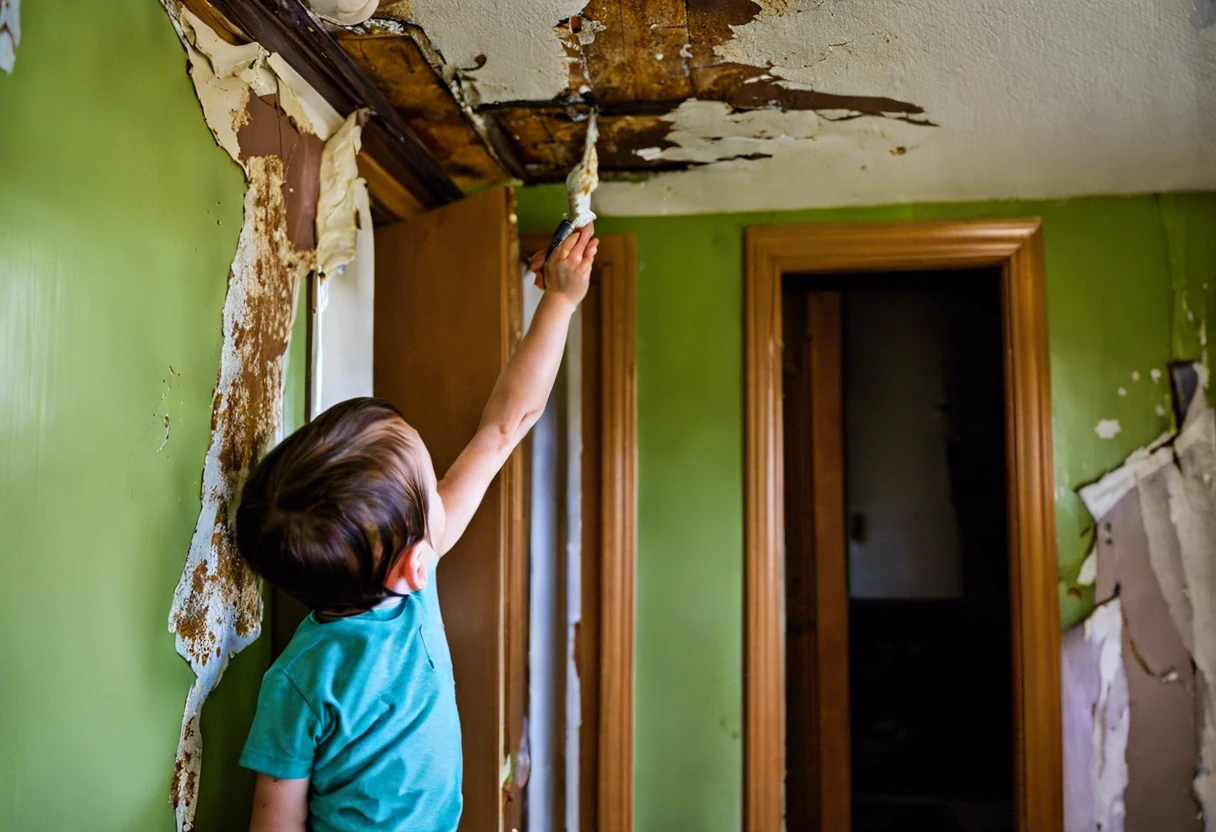
Condition of Paint: Chipped or peeling lead paint poses serious hazards and increases exposure.
-
Children’s Exposure: Young children are most affected; they’re sensitive to lead’s harmful effects.
-
Renovation Activities: Disturbing lead paint during renovations releases particles and increases hazard levels.
You should now have a good understanding of factors influencing lead paint hazards. In the next part, we’ll discuss common lead paint safety issues.
Common Issues Related to Lead Paint Safety
My friend discovered that the old kitchen cabinets were coated in lead paint. She was shocked when I explained why lead paint is harmful; it gradually chips and creates dust.
To address this, I suggested hiring an EPA-certified contractor. They’ll use protective gear and specialized methods to prevent the spread of dust. Remember, lead paint can contain up to 50% lead! When planning your lead paint removal project, it’s crucial to consider the total exterior painting costs involved.
Finishing Touches: Ensuring a Lead-safe Environment
After understanding the dangers of lead paint, focus on encapsulation. Use specialized sealants like XIM UMA (Universal Multisurface Adhesion) to lock in lead particles.
Inspection is crucial. Check window frames for peeling every six months. Use a lead test kit, like 3M LeadCheck, to identify hazardous areas and ensure safety levels are below 1,000 ppm.
From one expert to another, apply dust wipe clearance testing after renovation. Use EPA-approved wipe sampling methods and aim for less than 40 micrograms per square foot (Μg/ft²) for lead-dust residues. If you want to ensure precise surface preparation techniques, master professional painting techniques that complement thorough cleaning protocols.
Frequently Asked Questions About Lead Paint and Its Dangers
Now let us look at some questions I typically get asked.
What Are the Health Effects Of Lead Paint Exposure?
Lead paint exposure can cause serious health issues. Adults might experience hypertension, fatigue, and cognitive decline, while children face developmental delays and even brain damage.
How Can You Identify Lead Paint in Your Home?
You can identify lead paint by testing samples or using a lead paint test kit. Many homes built before 1978 contain lead-based paint, with up to 50% of homes having high lead content.
What Should You Do if You Find Lead Paint?
If you find lead paint, you must act carefully and avoid disturbing it. Contact a certified lead abatement contractor to safely handle removal or repair since improper handling can increase exposure risks. Paint damage from environmental factors like ash can also pose unexpected challenges to surface integrity, so professional assessment helps protect your surfaces.
How Does Lead Paint Affect Children Specifically?
Lead paint significantly impacts children adversely. Their developing brains absorb lead at higher rates, leading to learning disabilities, lower IQs, and behavioral issues.
What Are the Regulations Surrounding Lead Paint Removal?
Lead paint removal must comply with EPA regulations under the Renovation, Repair, and Painting (RRP) rule. This includes strict adherence to safety and training protocols to minimize lead exposure risks. When working with paint, you might need to adjust paint consistency or dilution, which requires specific techniques for modifying paint mixture properties.
How Dangerous is Exterior Lead Paint?
Exterior lead paint poses risks, especially when it peels or chips. Children can ingest lead dust or chips, making it crucial to safely maintain and monitor outdoor painted areas.
What is a Lead Paint Inspection?
A lead paint inspection checks your home for lead-based paint and its condition. Certified professionals use x-ray fluorescence or lab analysis to determine lead levels accurately.
How Much Lead is in Lead-based Paint?
Lead-based paint can contain as much as 1,000 parts per million (Ppm). The EPA considers any level over 5 ppm hazardous; awareness is vital for health protection.
What Paint Should You Use to Cover Lead Paint?
To cover lead paint, use encapsulating paint made for lead prevention. These specialty coatings help seal in lead paint and prevent exposure.
Conclusion
We covered why lead paint is harmful, what lead paint is, important safety considerations, steps for handling and removing it, recommended color palettes, types of lead paint and their risks, factors affecting lead hazard levels, common safety issues, ways to ensure a lead-safe environment, creative DIY ideas for lead-free homes, and frequently asked questions about its dangers.
In summary, lead paint poses significant health risks due to its toxic lead content, which can lead to severe developmental and cognitive issues in children, even at low exposure levels of 5 micrograms per deciliter (Μg/dl).
For more information and resources on creating a safe environment free from lead paint, I encourage you to explore what Paint Answers has to offer.