How to Make A Paint Brush Soft Again?
Published on: May 13, 2026 | Last Updated: January 29, 2026
Written By: Sarah McClintock
A paint brush is a tool artists use to apply color to surfaces. It’s like a magic wand that helps bring pictures to life!
Learning how to make a paint brush soft again is key for any artist. When your brush hardens, painting can feel rough and frustrating—I know that struggle all too well.
In this guide, we’ll cover essential preparations, a step-by-step method for softening your brush, types of paint brushes and their specific needs, factors affecting softness, common issues during the process, and finishing touches to restore your brush. You’ll find everything you need to know about how to make a paint brush soft again.
How to Make a Paint Brush Soft Again?
To make a paint brush soft again, soak it in warm, soapy water for about 10-15 minutes. Gently work the bristles with your fingers to release dried paint. Rinse thoroughly and reshape. Let it air dry. If you’re working with acrylic paints and want to maintain your brushes effectively, acrylic painting techniques matter.
What is a Paint Brush?
A paint brush is an essential tool in art. It typically consists of a handle and bristles, which can range in size from 6 mm (0.24 Inches) to 50 mm (2.0 Inches) wide.
Everyone has their tricks for softening a hard paint brush. I once tried various methods, as some brushes harden over time and need a little TLC.
You might be surprised, but I used it for a massive mural project last summer. When tackling how to soften a hard paint brush, I found that every successful artist faces this dilemma. Simple solutions, like warm soapy water, can resurrect a worn-out tool and spark new creativity! If you’re wondering about painting techniques and wall preparation, apartment wall painting strategies can help you transform your space.
Essential Preparations Before You Start
What do you need to soften your paintbrush?
- Warm Water: Use about 475 mL (2 Cups) of warm water. It helps dissolve dried paint and soften the bristles.
- Liquid Soap: Choose a gentle soap, like Dawn dish soap. It breaks down paint residue and effectively cleans the bristles.
- Container: Get a small bowl or jar. You’ll need something to hold the warm, soapy water for soaking the brush.
- Soft Cloth: Use a lint-free cloth. It’s essential for drying and gently removing excess residue after cleaning.
You should now have a good understanding of key preparations before you begin. In the next part, we’ll discuss the process of softening your paint brush.
Also See: What is Dryfall Paint? Learn About Its Benefits!
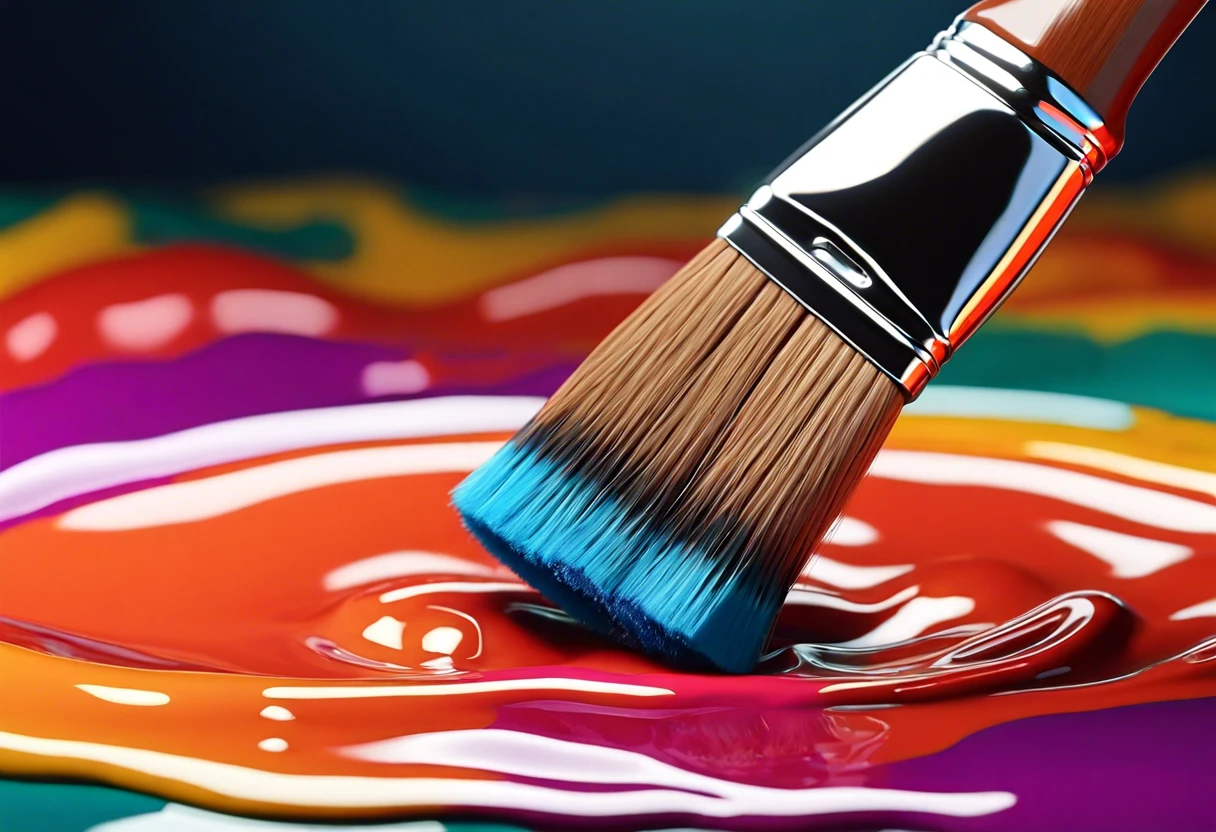
Step-by-step Guide to Softening Your Paint Brush
Here are the steps to restore your stiff paint brush for smooth use.
-
Assess the Condition Of the Brush
Examine the bristles. If they’re stiff and clumped, it’s time to revive them.
Check the ferrule (Metal Part). If it’s full of dried paint, your brush may not perform well.
-
Choose the Right Cleaning Solution
Select a solvent based on the paint type. For oil paint, use mineral spirits (0.7 G/cm³); for water-based paints, use warm soapy water.
Recommended SuppliesAs an Amazon Associate, I earn from qualifying purchases. Images are representative.Mix warm water with a few drops of mild soap or a bit of fabric softener for better results with water-based paints.
-
Soak the Brush Properly
Submerge the bristles in the cleaning solution. Let them soak for 15-30 minutes, depending on the paint type.
Patience is key! Avoid soaking for more than 30 minutes to prevent damage. Over-soaking can harm the glue holding the bristles.
-
Gently Clean the Bristles
After soaking, use your fingers or a soft cloth to gently untangle the bristles. This breaks up hidden paint clumps.
Rinse under lukewarm water while continuing to clean gently—this will flush out more remnants. Aim for clear water.
-
Shape the Brush After Cleaning
Once you’ve cleaned your brush, shape the bristles back to their original form to maintain effectiveness.
To preserve their shape, store brushes with the bristles not touching any surface. A brush holder or jar can help!
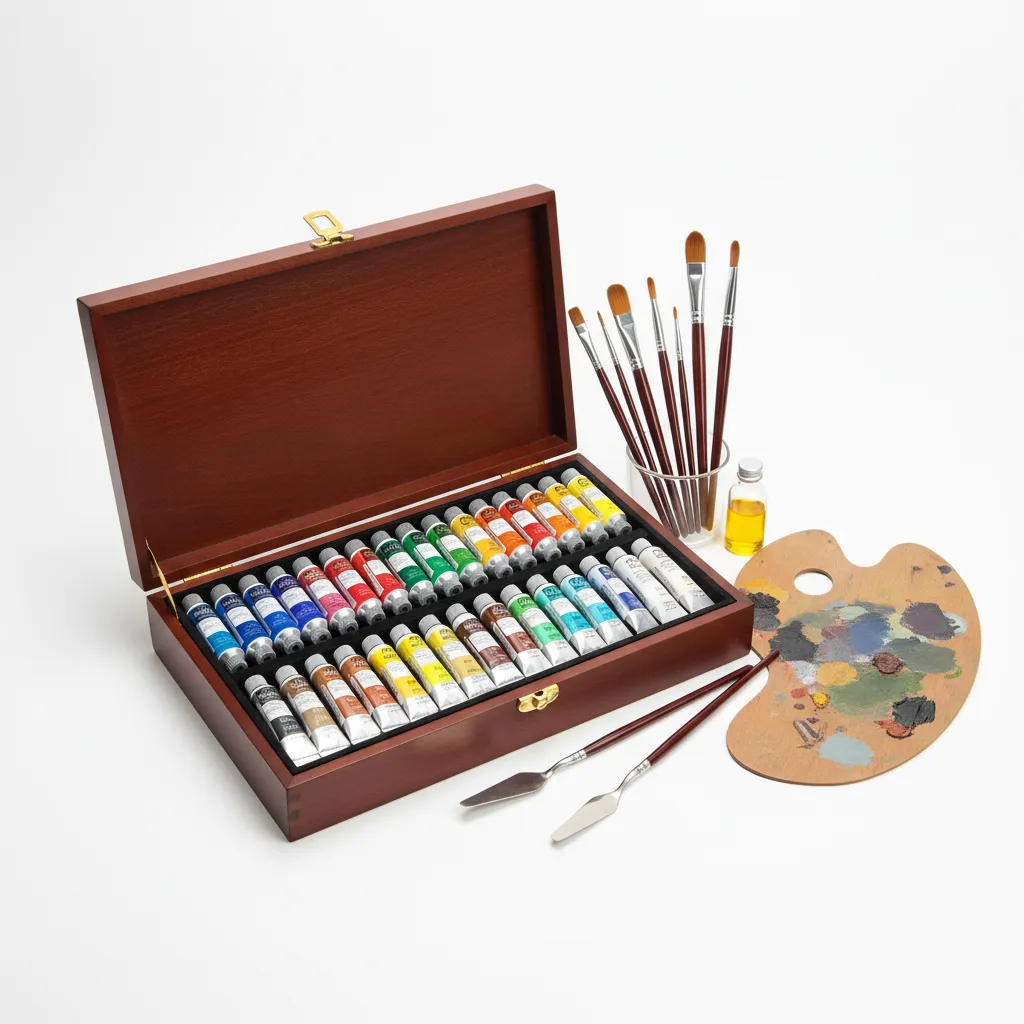

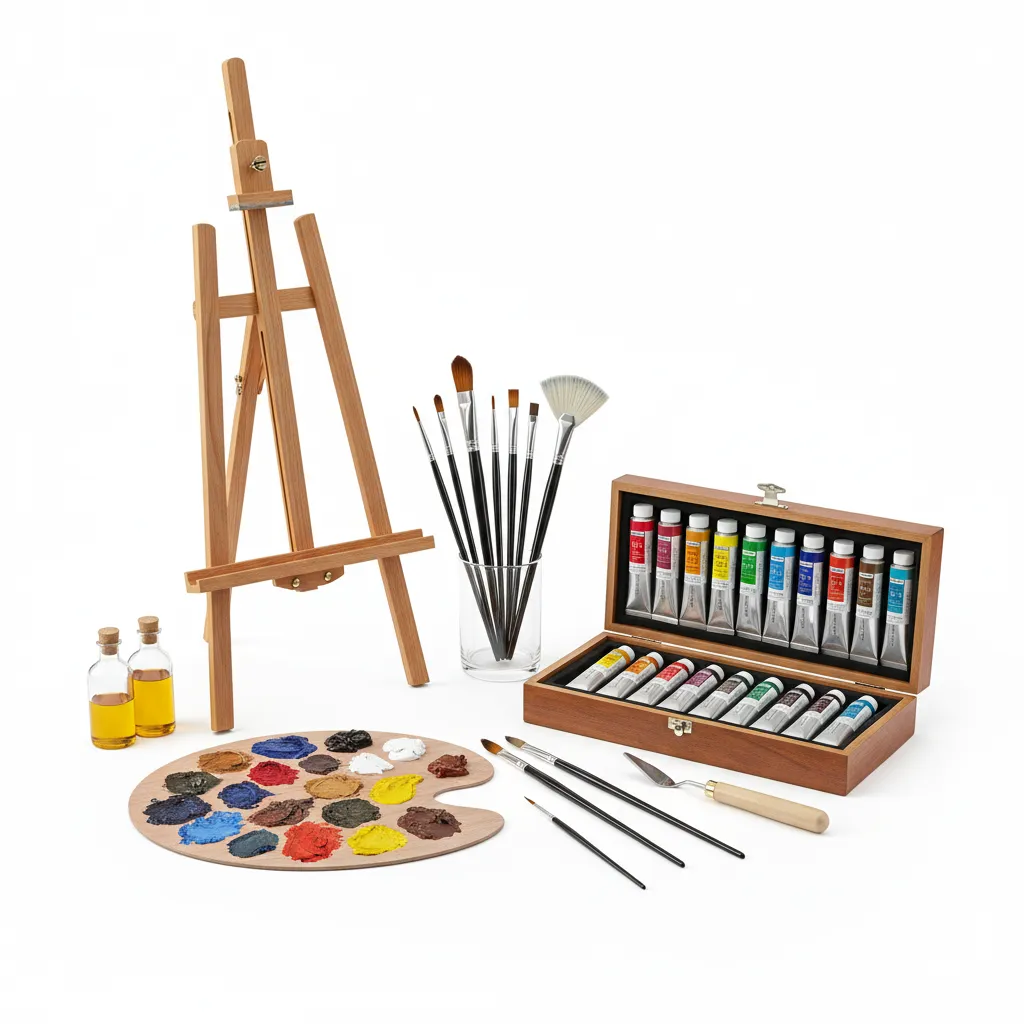
We’ve wrapped up the process of softening your paint brush here. Let us turn our attention to different paint brush types and their softening requirements.
Types Of Paint Brushes and Their Softening Needs
Let’s explore the types of paint brushes: bristle brushes, synthetic brushes, sponge brushes, and fan brushes.
-
Bristle Brushes
Bristle brushes are made from stiff natural hairs, usually hog hair. To soften them, soak the brush in warm water to loosen the bristles.
-
Synthetic Brushes
Synthetic brushes have nylon or polyester bristles, ideal for acrylic paint. To soften hard brushes, wash them thoroughly with soap and warm water.
-
Sponge Brushes
Sponge brushes use soft sponge material for precision work. Soften them by dunking in water to restore their shape.
-
Fan Brushes
Fan brushes are shaped like a fan and are used for texture. To soften these brushes, gently massage the bristles with conditioner or soap.
I’d like to share what’s consistently worked for me with synthetic brushes: washing them with warm soapy water keeps them soft and responsive, making painting much easier!
So far we covered the different types of paint brushes and their care needs. Let’s look at factors influencing brush softness next.
Factors Affecting the Softness Of Paint Brushes
What factors influence the softness of paint brushes during restoration?
-
Type of Bristles: Natural bristles soften differently than synthetic ones, impacting restoration methods.
-
Cleaning Solution: The right solution effectively removes paint build-up, softening your brush.
-
Duration of Soaking: The time a brush sits in the solution directly impacts its softness.
-
Temperature of Water: Warmer water breaks down stiffness faster than cold water.
You should now have a good understanding of the aspects influencing paint brush softness. In the next part, we’ll discuss typical problems encountered when softening a paint brush.

Common Issues When Softening a Paint Brush
My friend struggled with a stiff bristle brush after using it for oil paint. She thought hot water would help, but it only made it worse!
Use a mixture of warm water (37-40°C or 100-104°F) and mild soap to soak the brush for 10-15 minutes. Rinse gently to restore its softness and shape. That’s how to make a paint brush soft again! If you’re working with specific paint types like acrylic, you might want to explore acrylic painting techniques.
Best Practices for Maintaining the Softness of Your Paint Brush
Keeping your paint brush soft requires consistent care. Here are some simple practices to follow.
-
Regular Cleaning
Always clean your brush after each use. For water-based paints, a quick rinse with warm soapy water (about 40°C or 104°F) suffices. For oil-based paints, use a solvent.
-
Proper Storage
Store brushes upright in a jar or container. This prevents bristle bending and maintains softness. Avoid laying them down to prevent damage.
-
Use of Conditioning Agents
Occasionally, use a few drops of hair conditioner when cleaning. It adds moisture and can prolong bristle life, keeping them soft.
-
Avoiding Harsh Chemicals
Steer clear of acetone or bleach 💰 Save on Clorox Concentrated Bleach → . They can damage bristles, making them stiff and less effective.
How Different Cleaning Methods Affect Brush Softness
Understanding how your cleaning method impacts softness helps you choose the best approach.
| Cleaning Method | Effect on Softness | Recommended For |
|---|---|---|
| Warm Soapy Water | Very Effective | Water-based Paints |
| Mineral Spirits | Effective | Oil-based Paints |
| Vinegar Soak | Moderately Effective | Stiff Brushes |
| Fabric Softener Rinse | Very Effective | All Brush Types |


How Different Paint Types Affect Brush Softness
Not all paint types are created equal, and they can impact how brushes feel and perform. Understanding these effects is crucial for softening your brushes.
Water-Based Paints
Water-based paints, like acrylics, can quickly dry on your brush. They often require a simple soak in warm soapy water, around 40°C (104°F), for about 10-15 minutes to restore softness.
Oil-Based Paints
Oil paints stick harder and need solvents for cleaning. Use mineral spirits (0.7 g/cm³) for a deep clean. Soak the brush no longer than 30 minutes to avoid glue deterioration.
Enamel Paints
Enamel paints dry hard and require patience. Soak the brush overnight in a mix of warm vinegar and soap. This helps loosen stubborn residue while softening bristles.
Brush Softening Techniques for Specific Paint Types
Different methods can enhance softness based on the paint used. Here’s a quick overview.
| Paint Type | Cleaning Method | Soak Duration |
|---|---|---|
| Water-Based | Warm Soapy Water | 10-15 Minutes |
| Oil-Based | Mineral Spirits | Up to 30 Minutes |
| Enamel | Vinegar & Soap Soak | Overnight |
Finishing Touches for Your Restored Brush
After reviving your brush’s softness, clean it gently with warm, soapy water (40°C or 104°F). Rinse well and reshape the bristles to keep the tip sharp and defined.
Inspect the bristles closely for any irregularities. Look for paint clumps or frayed ends, which can affect performance. Use a trusted product like Bob Ross cleaning solution to maintain your brush. When you need specific guidance on preserving your key clip paint techniques, professional maintenance becomes crucial.
I recommend performing a pinching test by squeezing the bristles lightly with your fingers, aiming for uniform flexibility and resilience. This lets you assess the quality before each use.
Frequently Asked Questions
What Are the Best Methods to Clean Paint Brushes?
The best methods to clean paint brushes involve using paint brush cleaning techniques like soap and water or solvent cleaners. Soap and water effectively remove water-based paints, while solvents work best for oil-based paints, ensuring longevity and proper hygiene of brushes.
Can You Restore Severely Damaged Paint Brushes?
Yes, you can restore severely damaged paint brushes with techniques like soaking in vinegar or using hair conditioner. These methods can rejuvenate bristles and extend brush life significantly, saving you money in the long run. If you’re curious about alternative paint applications, you might want to explore safe painting techniques for skin.
How Often Should You Clean Your Paint Brushes?
You should clean your paint brushes after each use to maintain their quality. Proper maintenance can enhance performance and ensure lifespans that last months longer than uncleaned brushes.
What Cleaning Solutions Are Safe for My Brushes?
Safe cleaning solutions for your brushes include mild dish soap and rubbing alcohol. These help dissolve paint without harming the bristles, making them ideal for regular brush care.
What Should You Avoid When Cleaning Paint Brushes?
You should avoid using harsh chemicals like acetone or fabric softeners to clean paint brushes. Such products can degrade the bristles, decreasing performance and increasing costs for replacements. If you’re exploring alternative painting techniques like crafting with Shrinky Dinks, you might want to discover acrylic paint compatibility.
How Do You Properly Store Paint Brushes?
To properly store paint brushes, keep them upright in a container or hung with bristles facing down. This prevents bristle damage and helps preserve their shape for future projects.
Should You Trim Frayed Brush Bristles?
Yes, trimming frayed brush bristles maintains your paint brush’s performance. Even a small tip trimmed by a few millimeters (Mm) can make the brush much easier to use for detail work.
Can Paint Brushes Be Reused After Drying?
Yes, paint brushes can be reused after drying, provided they’ve been cleaned correctly. Failing to clean brushes can lead to paint buildup, rendering them ineffective for future use.
Conclusion
I hope this gave you what you needed. We covered the essential preparations, a step-by-step guide, common painting techniques and issues, types of paint brushes, finishing touches, and even some fun DIY project ideas.
So, to answer how to make a paint brush soft again, use warm soapy water or fabric softener for optimal results. By following the right steps and knowing your brush type, you can revive that hard brush in no time.
For further insights and guidance, visit Paint Answers.
Additional Resources
- Gurney, J. (2009). Color and Light: A Guide for the Realist Painter. Kansas City, MO: Andrews McMeel Publishing.
- How To Soften A Hard Paint Brush? (10-Step Guide) – Pro Paint Corner
- How To Soften a Paint Brush: Fast & Efficient