Can Sand Be Added to Paint for Texture?
Published on: February 9, 2026 | Last Updated: October 1, 2025
Written By: paint_answered
Texture is what makes a surface feel different. It’s like when you touch a bumpy road vs. a smooth wall; they feel unique!
So, can sand be added to paint for texture? It’s key to understand this if you want your art to pop, like my project where I mixed sand with paint for a beachy vibe.
In this article, you’ll learn about preparing to add sand to paint, step-by-step instructions, color palettes, types of sand to use, factors that affect texture, common problems, finishing touches, and fun DIY project ideas. We’ll explore how to create texture in acrylic painting and answer frequently asked questions about adding sand for texture.
Can Sand Be Added to Paint for Texture?
Yes, you can add sand to paint to create texture. Mix fine sand with the paint before application for a gritty finish. This works great for walls or outdoor projects. When working with different surfaces like metal, you might want to explore specific painting techniques for metal. Just remember to test your mixture first!
What is Texture in Painting?
Texture refers to a painting’s surface quality. It includes how the artwork feels to the touch (Tactile Texture) or looks visually (Visual Texture). Texture also affects how light interacts with the painting, influencing the viewer’s perception of depth and movement. If you’re curious about applying texture techniques to different surfaces, you might want to explore painting techniques for clay pots.
Can sand be added to paint for texture? I remember trying this method in my first mixed media project, which gave my piece a unique grit that really stood out.
A colleague of mine found it useful for creating rich textured backgrounds in her acrylic paintings. By mixing sand directly into her paint, she created stunning layers that caught the light beautifully. This technique transformed her approach to work and inspired me to explore creating texture in acrylic painting.
Preparing to Add Sand to Paint
What do you need for this process?
- Fine Sand: Use Quikrete sand—about 1 kg (2.2 Lbs)—for optimal texture. It mixes evenly with paint for a uniform finish.
- Paint Mixing Container: Use a 3L plastic bucket. It’s essential for mixing without making a mess.
- Stirring Tool: Use a sturdy stick or paddle mixer. It fully incorporates the sand into the paint for better texture consistency.
- Protective Gear: Wear gloves and a mask. This gear protects you from paint fumes and dust while working.
We have now covered the preparation for adding sand to paint. Next, we’ll discuss the step-by-step process for this addition.
Also See: Can Guys Paint Their Nails? Embrace Self-expression!
Step-by-step Guide to Adding Sand to Paint
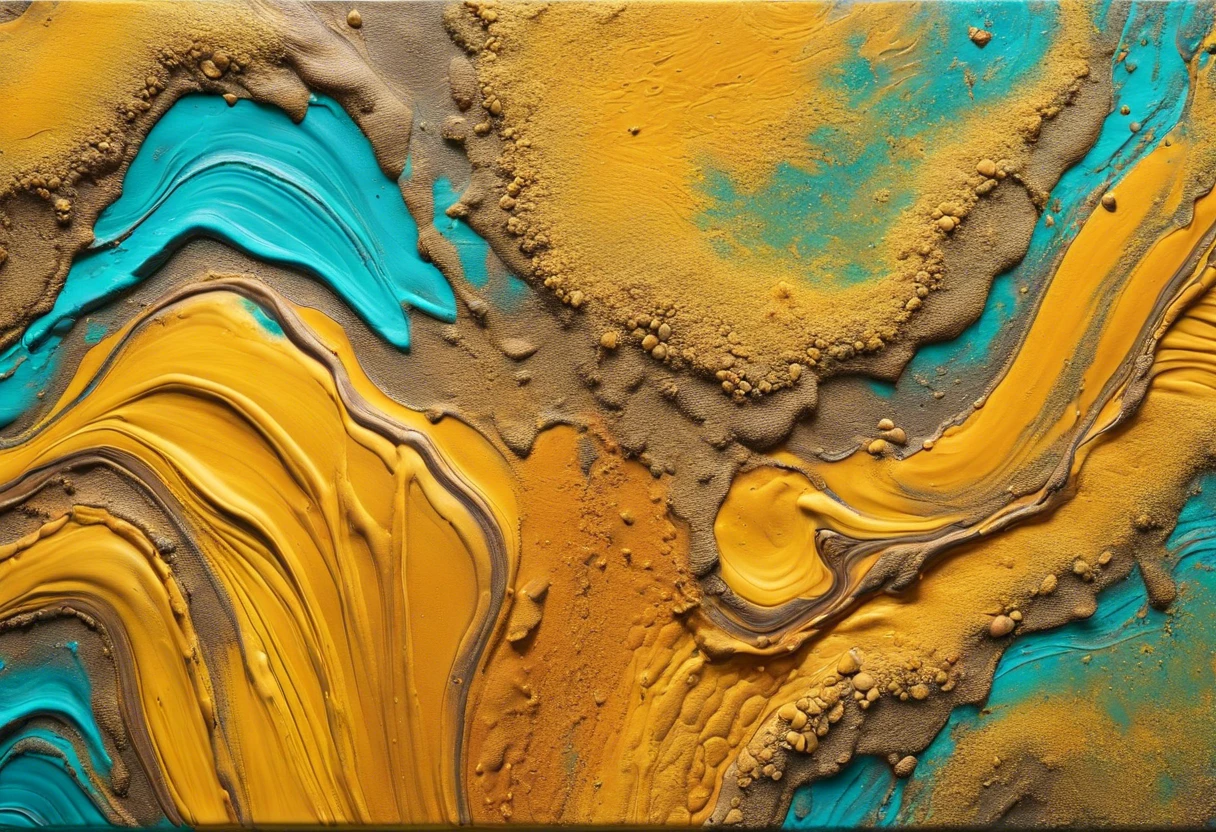
Here are the steps for adding sand to paint for extra texture. Follow them closely for the best results!
-
Choose the Right Sand
Start by selecting sand that suits your paint type. Fine sand (Around 0.5 Mm or 0.02 In) mixes well with acrylic paints and gives a subtle texture.
You can also use coarse sand (Above 1 Mm or 0.04 In) for a rougher finish. The coarser the sand, the more noticeable the texture.
-
Calculate Your Ratios
Next, determine how much sand to mix with the paint. As a rule, use 5%-10% sand by paint volume for a textured effect, depending on how pronounced you want it. For example, if you have 1 liter (About 1 Quart) of paint, add between 50 g and 100 g (1.8 Oz to 3.5 Oz) of sand.
This ratio keeps your paint workable while adding texture. Too much sand makes the paint chunky and hard to apply.
-
Mix Thoroughly
Blend the sand into the paint until it’s completely uniform. A stirring stick or paint mixer ⚡ Best Pick: Drill Paint Mixing → helps ensure there are no clumps.
Don’t skimp on this step. Proper mixing is crucial. If you miss this, you’ll find patches of untextured paint, ruining the effect.
-
Test Your Mixture
Before applying it to your entire surface, do a test patch. Apply your sanded paint to a small area to see how it looks when it dries. Different lighting can affect your view.
Adjust the sand or color based on the test patch. You may find that adding a little more sand makes it stand out just right!
-
Application Techniques
Apply your textured paint using a brush or roller to create different effects. A brush gives more visible texture, while a roller can smooth it out, so choose based on your desired finish.
Apply evenly. Don’t reload your brush or roller too often; this helps achieve a consistent texture across the surface.
-
Finishing Touches
Once applied, let your textured paint dry completely. Drying times can vary; acrylics usually dry within a couple of hours. After that, consider applying a protective coat if needed.
A matte or satin finish will enhance the texture, but make sure any additional products are compatible with your textured paint base.
We’ve wrapped up the detailed process of incorporating sand into paint. Let us turn our attention to the advantages of this technique.
Benefits of Adding Sand to Paint
Understanding the advantages of adding sand to paint can help you decide. Let’s dive into why this technique is worth exploring!
- Enhanced Texture: Sand adds a unique texture that can elevate the visual interest of your surfaces, making them feel more dynamic.
- Durability: Incorporating sand increases the paint’s resistance to wear and tear. This is especially beneficial for high-traffic areas.
- Creative Variations: You can experiment with different types and colors of sand. This opens up endless creative possibilities for custom designs.
- Cost-effective: Adding sand is an inexpensive way to achieve a designer feel without a hefty price tag. A 1 kg bag of fine sand costs around $5!
- Improved Grip: Textured surfaces provide better grip, reducing slip hazards in spaces like kitchens or bathrooms.
We have now covered the advantages of incorporating sand into paint. The next section discusses selecting the appropriate paint for texture.
Choosing the Right Paint for Texture Inclusion
Not all paints work the same with sand! Let’s explore which ones suit your ideas best.
| Paint Type | Best Use | Mixing Tips |
|---|---|---|
| Acrylic Paint | Indoor and outdoor applications | Mix sand right after opening for a smooth blend. |
| Latex Paint | Walls and ceilings | Ensure to stir well before application for even texture. |
| Oil-based Paint | Durable surfaces like furniture | Use fine sand and mix slowly to prevent clumping. |
| Chalk Paint | Vintage or rustic finishes | Add colored sand for fun, creative effects. |
That covers selecting the ideal paint for texture. Let’s now take a look at suitable sand types for texturing paint.
Types Of Sand Suitable for Texturing Paint
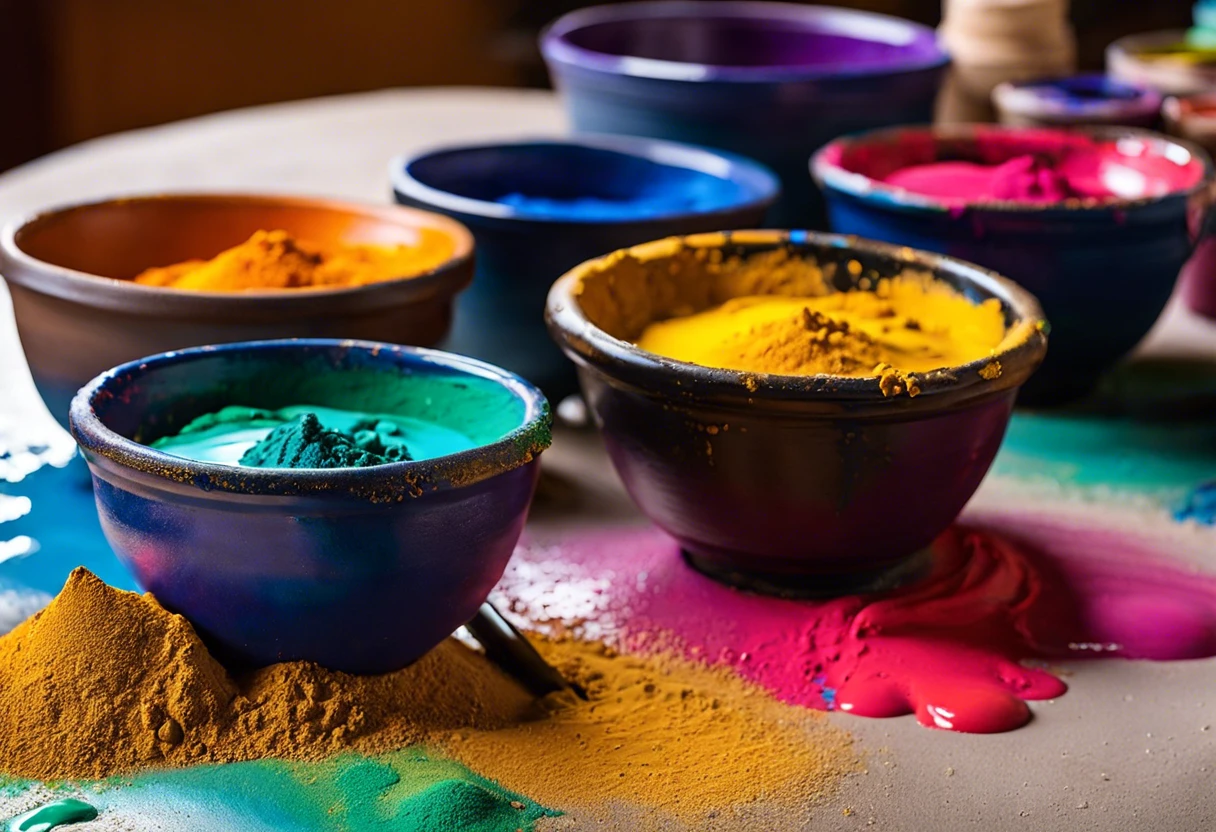
Let’s move on to the types: Fine Sand, Coarse Sand, Colored Sand, and Silica Sand.
-
Fine Sand
Fine sand consists of particles less than 0.2 mm (0.008 In) in diameter. It’s often used for its subtle texture that blends well with paint. This type ensures a smooth finish while providing essential grit. If you’re looking to achieve professional painting results, spray paint techniques matter significantly.
-
Coarse Sand
Coarse sand has larger particles, typically ranging from 0.5 mm to 1.0 mm (0.02 In to 0.04 In). Adding it to paint creates a pronounced texture, ideal for rustic looks. This sand can form intriguing and adaptable designs in your artwork.
-
Colored Sand
Colored sand comes in various vibrant hues and is usually used for decorative painting. It adds texture and splashes of color that transform a basic paint job. This ensures your textures stand out, bringing your work to life.
-
Silica Sand
Silica sand is finer than coarse sand, with particles smaller than 0.5 mm (0.02 In). It’s commonly used to enhance durability and provide interesting texture. Mixing it with paint results in a robust, textured surface that withstands wear and tear.
Reflecting on my experiences, Fine Sand is my preferred choice. It achieves a lovely subtlety, giving the finish a soft touch that feels inviting and professional.
Factors Affecting Texture When Adding Sand to Paint
What factors influence the addition of sand for texture in your paint choices?
-
Sand Grain Size: The size of the sand grains determines how gritty or smooth the texture feels.
-
Paint Type: Different paints, such as acrylics and oils, interact differently with sand, changing the final appearance.
-
Mixing Ratio: The ratio of sand to paint affects coverage and the visibility of the texture.
-
Application Method: Techniques, like spraying or brushing, can alter the texture’s appearance and feel.
Common Issues Encountered When Adding Sand to Paint
My friend Alex once added too much sand while painting. The texture was rougher than expected, making the surface uneven. It just didn’t look good!
To fix this, use a ratio of one part sand to three parts paint. Use fine sand for a smoother finish. Mix thoroughly and test it on a small area first.
Finishing Touches for Your Textured Paint Project
After adding sand to your paint for texture, let your project cure for at least 72 hours before use. This ensures the best finish and durability.
Inspect the texture for visible grains in clusters and look for bubble formations. A product like Blue Hawk sand can help prevent this. I noticed several bubbles in my last project.
I suggest adding a clear coat, like Minwax Polycrylic spray, mixed at a 1:5 ratio with thinned paint for a smooth texture after sanding. This ratio enhances the appearance.
Additional Techniques for Enhancing Texture with Sand
Want to elevate your textured paint projects even further? Let’s dive into some nifty techniques!
Staggered Layering
Layer your textured paint for a mult-dimensional look. After the first layer dries, add a second layer with a different sand type. This creates depth and richness in texture!
Color Mixing
Mix different colors of paint with sand for a unique appearance. Blend two or more shades for a gradient effect. This can make your textural surfaces truly stand out, as I’ve seen in some stunning DIY pieces!
Using Stencils
Create patterns by using stencils while applying your sand-textured paint. Position a stencil on your surface after the first layer dries, then apply another mix right on top. Pull away the stencil, and you’ll have a beautiful design! When working with specialized painting techniques, it’s crucial to protect your surface from potential chemical damage that could compromise your artistic efforts through surface texturing techniques.
Best Practices for Mixing Sand with Paint
Mixing sand into paint isn’t just about throwing it together. Here are some best practices for optimal results!
| Best Practice | Description |
|---|---|
| Test Ratios | Don’t hesitate to mix small batches first. Test different sand-to-paint ratios until you find the ideal balance, typically between 5-10% sand. |
| Consistency Check | Check the mixture’s consistency. It should be thick but still smooth enough for easy application. Avoid clumping! |
| Drying Time | Allow ample drying time between layers. A good rule of thumb is 2-4 hours for paint to dry before adding another layer. |
| Mixing Well | Use a power mixer or whisk for thorough blending. This ensures an even texture throughout the paint. |
Comparative Results of Different Sand Types in Paint
Let’s compare how different sand types affect texture and finish!
| Sand Type | Texture Level | Finish Appearance |
|---|---|---|
| Fine Sand | Subtle | Smooth with slight grit |
| Coarse Sand | Pronounced | Rough and rustic |
| Colored Sand | Variable | Vibrant with interesting patterns |
| Silica Sand | Mid-range | Durable and interesting |
Frequently Asked Questions About Adding Sand to Paint for Texture
What Types Of Paint Work Best With Sand?
Yes, some types of paint work best with sand. Latex and acrylic paints are ideal because they blend well with sand, enhancing texture. Oil-based paints can also be used, but they typically require plastic sand to ensure proper mixing.
How Much Sand Should I Add to My Paint?
You should add about 1 part sand to 4 parts paint for desired texture. This ratio gives a nice balance without compromising the paint’s adhesion or flow. Overdoing it can make the mixture too thick and hard to apply. If you’re wondering about paint storage and potential degradation, paint condition matters significantly.
Can I Use Colored Sand for a Different Effect?
Yes, you can use colored sand for a different effect in your paint. Colored sand can create unique patterns and visual depth. Just ensure the color complements the paint for cohesion in style.
How Do I Protect Textured Surfaces After Painting?
To protect textured surfaces after painting, apply a clear sealant. It extends the paint’s life and shields it from chips, dirt, and moisture. Use a polyurethane sealant for durability, especially in high-traffic areas. When working on exterior surfaces, temperature plays a crucial role in achieving optimal paint adhesion and finish, so check the recommended painting temperature guidelines.
Is It Possible to Remove Sand From Paint?
No, it’s typically not possible to remove sand from paint once it’s mixed. Sand particles adhere firmly, changing the paint’s original texture and consistency. Instead, you may need to scrap that mixture and start fresh. If you’re looking to modify your paint application technique, you might want to explore alternative painting methods that transform your painting approach.
Can I Spray Texture Over Paint?
Yes, you can spray texture over paint. Spray-on texture materials bond well with existing paint and add depth. Use water- or latex-based products for the best results on interior walls.
What is the Best Method to Create Texture in Acrylic Painting?
The best method to create texture in acrylic painting is by using additives. Products like gel mediums or paste add volume and dimension to your work. Combine these with your paint for varied effects. When working in cooler temperatures, you’ll want to be mindful of how temperature impacts your painting techniques and material application.
Also See: Can Benjamin Moore Paint Be Color Matched? Find Out!
Conclusion: Enhancing Your Painting Project With Sand Texture
We’ve made it to the end, and I hope you found this guide helpful. We covered what texture means in painting, how to prepare for adding sand, a step-by-step guide to mixing sand with paint, suitable types of sand for texturing, recommended color palettes, factors affecting texture, common challenges you might face, finishing touches for your project, and some creative DIY ideas.
In summary, can sand be added to paint for texture? Yes, indeed! By blending sand with your chosen paint and considering suitable types and proper ratios, you can achieve a unique, textured finish for your projects. For optimal results, remember that about 10-30% sand by volume typically provides the best outcomes without compromising paint durability.
For additional insights and resources, feel free to visit Paint Answers.