Can You Paint Brick Pavers?
Published on: April 15, 2026 | Last Updated: January 29, 2026
Written By: Alisha Winters
Brick pavers are colorful square pieces made from clay or concrete. They’re often used to create beautiful driveways, patios, or walkways.
So, can you paint brick pavers? It’s important to know because painting can change the look of your outdoor space, and I’ve seen stunning transformations just from a touch of color.
In this article, we’ll cover important factors to consider before painting, a car painting techniques and tips, recommended colors, types of paint to use, common issues to watch out for, and some creative DIY ideas. Plus, we’ll touch on related topics like how to get paint off bricks if you ever change your mind!
Can You Paint Brick Pavers?
Yes, you can paint brick pavers! Use a high-quality exterior paint designed for masonry. Before painting, clean the pavers and apply a primer for better adhesion. This helps the paint stick and last longer. If you’re looking to expand your DIY painting skills, spray painting techniques offer versatility for various surfaces.
What Are Brick Pavers?
Brick pavers are durable, interlocking blocks made from baked clay. Typically measuring about 190 mm x 90 mm x 50 mm (7.5 In X 3.5 In X 2 in), they’re widely used in landscaping, driveways, and patios.
You might wonder, can you paint brick pavers? I’ve tried enhancing the aesthetics of my outdoor space with paint on brick pavers. The transformation was eye-catching but came with challenges.
For the project, I got help with design options and visual layouts. I learned that paint often struggles to bond effectively to surfaces like brick pavers. Have a plan in mind, especially if you’re considering how to remove paint from bricks later, because maintaining their color can require careful upkeep. If you want to ensure proper paint adhesion and durability, baking acrylic paint techniques might provide some helpful solutions.
Important Considerations Before You Start Painting Brick Pavers
What do you need to get started?
- Power Washer: You need a power washer, like the Sun Joe SPX3000 (2030 PSI, 1400 Watts). It’s essential for cleaning your brick pavers, removing dirt and debris to ensure good paint adhesion.
- Paver Sealer: A quality paver sealer, such as DOMINATOR Sealers (5-gallon Container). Sealing protects the pavers in the long term and prevents moisture damage after painting.
- Concrete Primer: Use a primer, like Kilz Concrete & Masonry Primer. This improves paint adhesion to the porous surface of the brick pavers.
- Exterior Paint: Get high-quality exterior acrylic paint certified for masonry, such as Behr Premium (1-gallon Covers ~37 M² or ~400 Ft²). This paint withstands the elements and maintains color.
- Roller and Tray Set: A roller set, like the Whizz Roller Set (Includes a Tray and Rollers). You’ll need this for an even application of your chosen paint.
That covers important factors to consider before painting brick pavers. Let’s now take a look at a step-by-step painting guide.
Also See: How Much Can a Quart Of Paint Cover? Coverage Guide
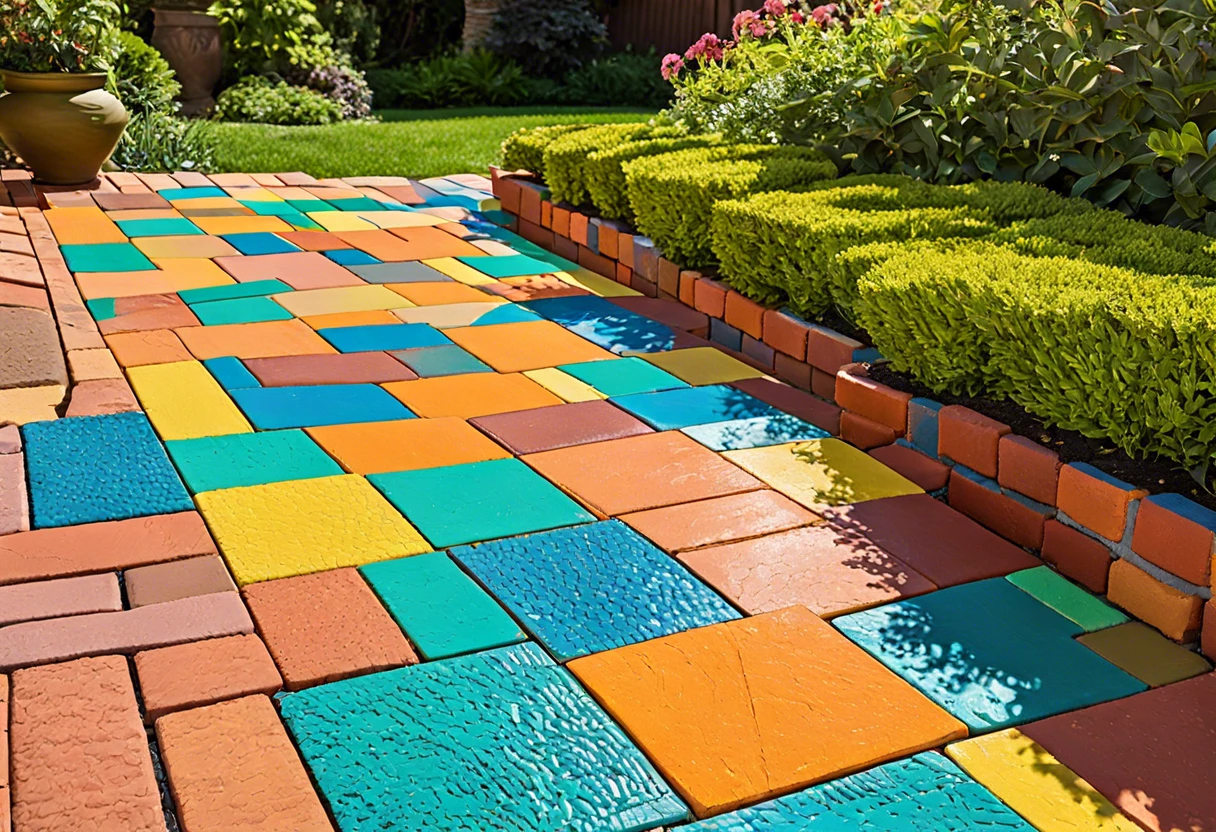
Step-by-step Guide to Painting Brick Pavers
This guide covers the steps to paint brick pavers effectively. Follow these steps for great results!
-
Prepare the Surface
Start by cleaning the brick pavers thoroughly. Use a pressure washer at around 3,000 PSI (Pounds Per Square Inch) to remove dirt, moss, and old sealant. A clean surface helps the paint adhere.
Once washed, let them dry completely for at least 24 hours. This prevents moisture from affecting paint adhesion.
-
Choose the Right Paint
Select paint specifically designed for brick and pavers. Look for outdoor-rated options resistant to weather changes—typically, exterior acrylic paint.
Consider lighter colors for hot climates as they reflect sunlight better. Dark colors may absorb heat and deteriorate over time.
-
Apply the Primer
Use a primer made for masonry surfaces. Primer helps the paint adhere better and smooths any roughness on the pavers.
If unsure about coverage, use a roller for consistent application, then use a brush for the edges. Skipping this step can cause your paint to peel off prematurely!
-
Paint the Brick Pavers
Now, apply your chosen paint! Use a high-quality sprayer or roller for even distribution. Aim for about 60 to 110 square feet (5.57 To 10.22 M²) per gallon, depending on the surface texture.
Paint in the correct direction and apply at least two coats for durability. Allow the paint to dry for at least 24 hours between coats for optimal adhesion.
-
Seal the Pavers
After the paint has fully cured for about a week, apply a sealant. Sealing protects the paint from wear and tear and repels water. Choose a clear sealant or a colored version that complements your paint. If you’re looking to match specific paint colors precisely, professional color matching techniques can help ensure a perfect finish.
Recommended SuppliesAs an Amazon Associate, I earn from qualifying purchases. Images are representative.Using a roller, apply evenly across all the pavers, covering 300 to 700 square feet (27 to 65 M²) per gallon purchased. Let it cure for at least 48 hours before allowing foot traffic!
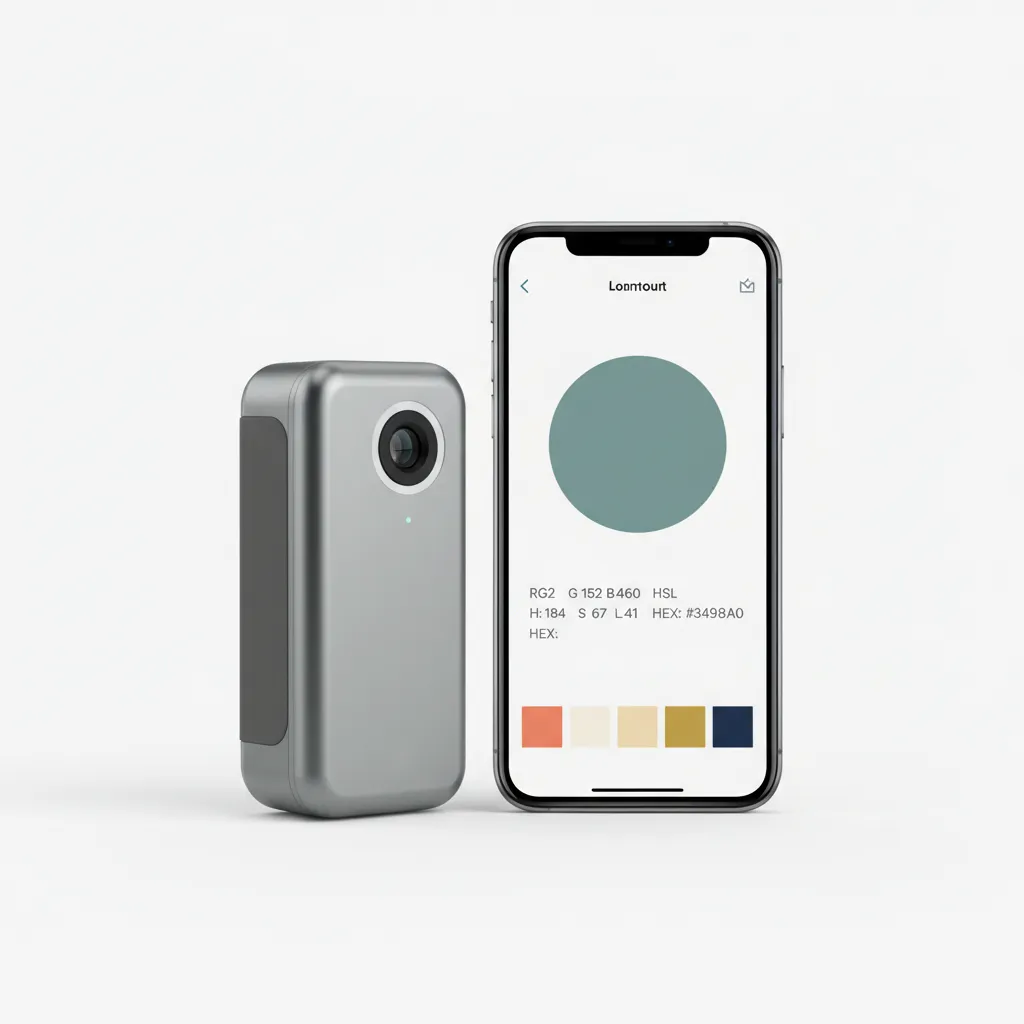
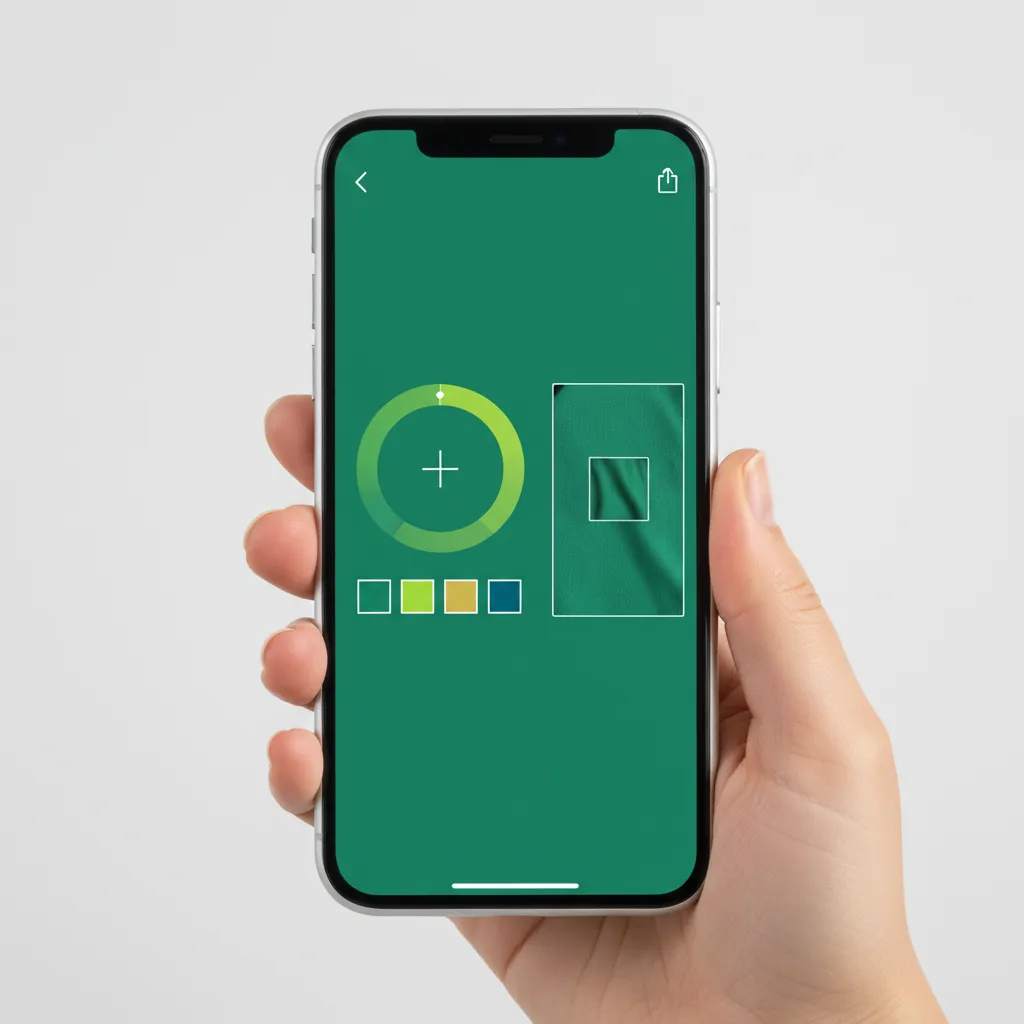

We have now covered the process of painting brick pavers. The next section will discuss suggested color options for your project.
Recommended Color Palette for Painting Brick Pavers
I recommend a “Rustic Charm” theme; it pairs earthy tones like terracotta beneath a bold slate blue, creating a beautiful and inviting outdoor space.
| Color Box | Hex Code | Color Name |
|---|---|---|
| #C65D59 | Terracotta | |
| #2C3E50 | Slate Blue | |
| #E1AE7D | Sandy Beige | |
| #A8DAB5 | Soft Mint |
We have now covered the suggested color schemes for painting brick pavers. Next, we will explore suitable paint types for them.
Types Of Paint Suitable for Brick Pavers
Let’s move on to the types: Acrylic, Epoxy, Alkyd, and Specialty Paints.
-
Acrylic Paint
Acrylic paint is a popular choice for brick pavers. It’s water-based, easy to apply, and durable, lasting 5 to 10 years.
-
Epoxy Paint
Epoxy paint offers excellent resistance to stains and graffiti. Lasting over 10 years, it provides a tough finish that’s perfect for outdoor bricks.
-
Alkyd Paint
Alkyd (Oil-based) paint works well but takes longer to cure. Its gloss finish lasts 3 to 7 years, providing a unique aesthetic appeal to your pavers.
-
Specialty Paints
Specialty paints include textured, non-slip options. Designed for brick surfaces, they help prevent slips and withstand harsh weather conditions.
If there’s one thing I’ve learned, it’s that I prefer acrylic paint. Its flexibility, vibrant colors, and quick drying time make it ideal for DIY projects on brick pavers.
You should now have a good understanding of paint types for brick pavers. In the next part, we’ll discuss key influencing factors.
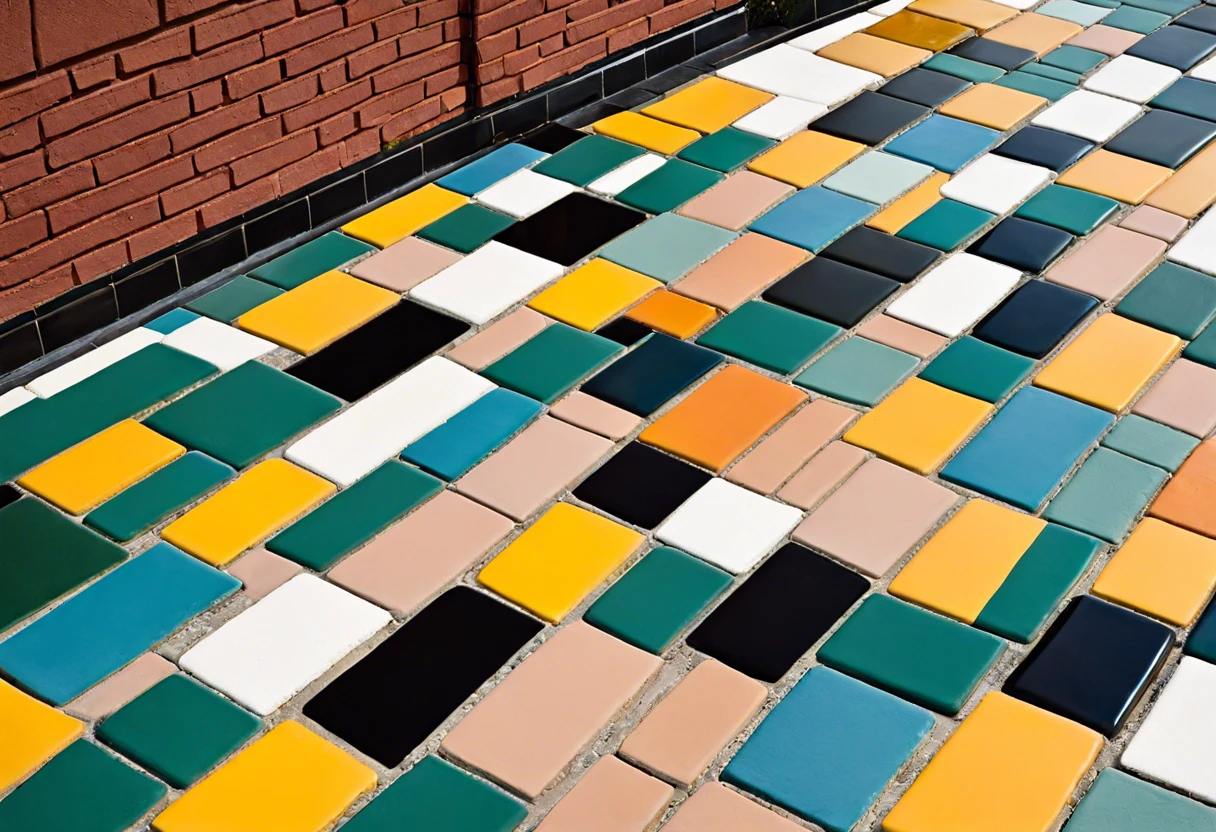
Factors Affecting the Process Of Painting Brick Pavers
What factors influence the decision to transform your brick pavers with paint?
-
Surface Texture: Rough surfaces require more prep work to ensure proper paint adhesion.
-
Weather Conditions: Humidity and temperature affect drying time and paint adhesion.
-
Type of Paint: Using specific masonry paint ensures better durability for outdoor pavers.
-
Previous Coatings: Existing treatments can hinder the new paint’s ability to adhere effectively.
Common Issues to Watch Out for When Painting Brick Pavers
When my friend painted her brick pavers, she faced severe bubbling. This happened because she didn’t clean them first. Dirt traps moisture, causing these issues.
To fix this, she used a power washer (Approximately 2,000 Psi) and let the pavers dry completely. Then, a quality exterior paint transformed her patio beautifully.
Finishing Touches for Your Painted Brick Pavers
After painting brick pavers, seal the surface with a quality acrylic sealer for a durable top layer. Use a spray or roller, applying 1 to 2 layers for optimal protection.
Inspect pavers for uneven color or thick spots. For adjustments, use fine-grit sandpaper 💰 Save on Assorted Grit Sandpaper → (Around 220) or a propane torch (176 °F, 80 °C) for quick fixes.
I recommend Rust-Oleum’s Specialty Concrete Stain for the best appearance and preservation. Transition your skills and experience with this for advanced projects.
For experienced painters, consider adding anti-skid additives (Such As Slip Resistant Additive) to the sealer for pavers. Use about 1 lb (0.45 Kg) for every 5 gallons (18.9 L) of sealer.
Best Practices for Maintaining Painted Brick Pavers
Once you’ve successfully painted your brick pavers, it’s crucial to keep them looking fresh and vibrant.
-
Regular Cleaning
Use a gentle detergent and soft-bristled brush to clean the pavers every few months. Avoid harsh chemicals that might damage the paint.
-
Inspect for Damage
Every season, check for any peeling, bubbling, or discoloration. Catching these issues early can save time and money!
-
Reapply Sealer
Consider reapplying a clear sealer every 1 to 2 years to protect the paint from the elements. A high-quality sealer can enhance durability.
-
Touch-Up Paint
If you spot any chips or scratches, use leftover paint for quick touch-ups. This keeps your pavers looking consistent.
-
Avoid Heavy Loads
Minimize heavy furniture or vehicles on your painted pavers to prevent scuffs and wear. Consider adding pads under outdoor furniture for extra protection.
Alternative Treatments for Enhancing Brick Pavers
If you’re still considering your options, here are some alternative enhancements you might like.
| Treatment Type | Benefits | Longevity | Approx. Cost |
|---|---|---|---|
| Resurfacing | Creates a new, smooth finish and covers existing wear. | 5-10 years | $4-$8/Sq Ft (~$43-$86/M²) |
| Sealing | Protects against stains, enhances color, and adds shine. | 1-3 years | $0.50-$1/Sq Ft (~$5-$10/M²) |
| Staining | Provides color while preserving the natural texture of brick. | 3-5 years | $2-$4/Sq Ft (~$22-$43/M²) |
Whether you opt for painting or another treatment, choosing the right method can transform your outdoor space beautifully!
Design Trends for Painted Brick Pavers
Explore stunning styles to make your outdoor space pop!
- Geometric Patterns: Creating shapes like chevrons or herringbone adds visual interest. This modern style complements contemporary homes.
- Ombre Effects: Gradually transitioning between colors can give your pavers a unique, artistic flair. It’s sure to grab attention!
- Natural Motifs: Mimicking the look of natural stone with paint can enhance the rustic charm of your pavers while blending seamlessly with the outdoor environment.
- Bold Color Blocking: Use contrasting colors to highlight different sections of your patio, making each area feel distinct and inviting.
Comparing Painting to Other Surface Treatments
Wondering if painting is your best option? Let’s compare it to other methods.
| Treatment Type | Durability | Maintenance | Cost |
|---|---|---|---|
| Painting | 3-5 years | Regular cleaning, touch-ups | $1-$3/Sq Ft (~$10-$32/M²) |
| Sealing | 1-3 years | Annual cleaning, resealing | $0.50-$1/Sq Ft (~$5-$10/M²) |
| Resurfacing | 5-10 years | Periodic cleaning | $4-$8/Sq Ft (~$43-$86/M²) |
Each method has its perks. Painting stands out with affordability and vibrant aesthetics, but consider how often you’re willing to maintain it!
Impact of Weather Conditions on Painted Brick Pavers
Weather affects the longevity of your paint job. Let’s break it down:
- Rain: Causes moisture issues; it’s best to paint in dry conditions.
- Sunlight: UV light can fade colors; lighter tones reflect sunlight, minimizing heat absorption.
- Temperature: Ideal painting temperature is about 50-85°F (10-29°C); extreme conditions can affect drying time.
- Humidity: High humidity can slow down drying, leading to peeling or bubbling.
Check your local forecast before starting your project!
Also See: Can You Paint a Covered Porch in the Rain? Proceed Carefully.
Frequently Asked Questions About Painting Brick Pavers
Can I Paint Over Existing Paint on Brick Pavers?
Yes, you can paint over existing paint on brick pavers. Make sure to clean the surface well and check for any peeling areas that need repair. This makes sure the new layer adheres properly and overall durability is enhanced.
How Long Does Paint Last on Brick Pavers?
Paint on brick pavers typically lasts around 3 to 5 years. Factors like foot traffic, weather exposure, and UV light impact longevity. Using high-quality outdoor paint can increase durability, often allowing up to 2 extra years of life. When painting exterior surfaces with complex contours, you might need specialized techniques to ensure complete paint coverage.
Is Painting Brick Pavers a Good Idea?
Painting brick pavers can be a good idea, but it depends on your needs. It’s an economical way to refresh your space without total replacement, often costing 50% less than re-paving.
What is the Best Method to Apply Paint on Brick Pavers?
The best method to apply paint on brick pavers is using a roller or sprayer. Rollers cover larger areas faster, while sprayers provide a smoother finish. Make sure to use products specifically designed for masonry for best results. If you’re curious about alternative painting techniques like using acrylic paint, exploring paint application methods can expand your creative options.
Can I Change the Color Of My Brick Pavers With Paint?
Yes, you can change the color of your brick pavers with paint. Using a quality exterior paint allows for color transformation, letting you express your style while protecting the surface beneath. Choose shades that endure against UV fading. If you’re curious about painting techniques beyond pavers, you might want to explore creative painting applications.
How Can I Improve Adhesion for Paint on Brick Pavers?
You can improve adhesion for paint on brick pavers by using a primer. Applying a masonry primer helps paint stick better, leading to a longer-lasting finish. It seals the surface and creates a more effective bond for the top coat. If you’re working with fabric and want similar adhesion techniques, check out how to apply paint to fabric surfaces.
What Prep Work is Needed Before Painting Brick Pavers?
Before painting brick pavers, you need to perform proper prep work. Clean the surface thoroughly to remove dirt, mold, or old paint. A pressure washer can help with this, ensuring the surface is ready for painting and enhances adhesion.
How Should I Maintain Painted Brick Pavers?
To maintain painted brick pavers, regularly clean the surface and watch for chips or fading. A gentle detergent with water is usually enough. This routine can prolong the life of your paint by keeping it in good condition without overexposure to dirt. If you’re considering painting tiles in other areas like bathrooms, painting bathroom tiles requires specific techniques.
Conclusion
That brings us to the end of our discussion on painting brick pavers. We covered what brick pavers are, important considerations to keep in mind before you start, a step-by-step guide, recommended color palettes, types of paint, factors affecting the process, common issues, finishing touches, and some creative DIY project ideas.
So, can you paint brick pavers? Yes, you can; just follow our guidelines and watch out for potential issues. Feel free to reach out if you have further questions about painting brick pavers or related topics like how to remove paint from bricks.
For more insights and the latest articles, visit our homepage at Paint Answers.
Additional Resources
- Betti, C., & Sale, T. (2012). Drawing: A Contemporary Approach (6th ed.). Belmont, CA: Cengage Learning.
- DIY Painted Brick Pavers – Jamie Lundstrom
- Pavers/Stones – Patio Paint – Exterior Paint – The Home Depot
- Can Brick Pavers Be Stained Another Color? | Hunker – Pinterest
Experienced interior designer with 15+ years in transforming spaces, blending artistry with expertise in color and design. Rhode Island School of Design graduate, specializing in restorations and modern makeovers.
Car, Exterior