How Do You Make Light Blue Paint?
Light blue paint is like the sky on a sunny day. It’s a pretty color that makes everything feel calm and happy!
So, how do you make light blue paint? It’s super important to mix the right colors because the perfect shade can bring your artwork to life. I remember my first time creating a pastel blue; it felt amazing seeing it come together!
In this guide on how do you make light blue paint, we’ll explore essential supplies, step-by-step instructions, color palettes, variations, common issues, and tips for applying. You’ll also discover creative DIY projects featuring light blue paint, making it a fun and informative read!
How Do You Make Light Blue Paint?
To create light blue paint, mix white paint with a small amount of blue. Start with a 3:1 ratio of white to blue. Adjust until you reach your desired shade. It’s simple and fun!
What is Light Blue Paint?
Light blue paint is a soft, cool color often used in art and interior design. It’s made from a mixture of blue pigment and white, with an RGB value around (173, 216, 230) or hex code #ADD8E6.
While experimenting, you can learn to create light blue paint using various shades from your palette. I once mixed titanium white with cerulean blue and was amazed at how quickly my canvas transformed!
This color evokes calmness, reminding me of summer skies. Besides creating beautiful light blue, I also explored how to make orange paint brighter, which required careful adjustments. This process shows that both colors benefit from a good understanding of paint mixing techniques. If you’re working with different surfaces like aluminum doors, painting metal surfaces requires specific skills.
Essential Supplies and Tools Needed Before You Start Making Light Blue Paint
What do you need to make light blue paint?
- Acrylic Paint (Cyan): Use a base color, like Liquitex Basics Acrylic Paint in cyan. It provides a vibrant blue tone for mixing.
- White Acrylic Paint: Get something like Winsor & Newton Acrylic Titanium White. It lightens the blue perfectly.
- Mixing Palette: Use a palette, such as the Darice Circle Palette. You’ll need this for blending the paints smoothly.
- Measuring Cups: Choose a set with measurements, like OXO Good Grips Measuring Cups, for accurate paint ratios when mixing.
- Brushes: Have a variety, such as Liquitex Basics Brushes. Different brush types help apply the light blue evenly.
You should now have a good understanding of the necessary supplies and tools for making light blue paint. In the next part, we’ll discuss the step-by-step process.
Also See: What Temperature Can You Paint Exterior? Ideal Conditions
Step-by-step Guide to Making Light Blue Paint
Now, we’ll cover the steps to create stunning light blue paint. Follow these to mix the perfect hue!
-
Choose Your Base Color
Start with a white base or any light color to achieve a soft light blue. Titanium white (2.5 G/cm³ Density) is ideal for this purpose.
Add a small amount to your palette; aim for about 75% white to keep it bright and airy.
-
Add Blue Pigment
Select a blue pigment, like ultramarine or cerulean blue. Use a 25% mixing ratio of blue pigment to white base for that light shade.
This combo ensures you don’t overpower the white while adding personality. Experiment—if it’s too dark, just add more white!
-
Mix Thoroughly
Mix the colors using a palette knife or a brush. I once mixed too fast and splattered colors everywhere! Slow and steady works best.
Blend until you have a uniform color. Aim for a smooth consistency without lumps. Ideally, it should have around a 20% pigment concentration.
-
Test Your Mixture
Now, grab a scrap piece of paper or canvas and test your light blue paint. Apply it evenly; you’ll see the true nature of your mix once it dries.
Let the test swatch dry, then check for adjustments. If it appears darker, lighten it with more white or even add a hue like light cyan.
We have now covered the process of creating light blue paint. Next, we will explore the color theory behind it.
Color Theory Behind Light Blue Paint
Understanding color theory can elevate your light blue paint-making game!
-
The Color Wheel
Light blue sits between blue and cyan on the color wheel. This placement allows for harmonious blending with adjacent colors.
-
Warm vs. Cool Tones
Light blue is considered a cool color. Combine it with warm tones like orange for a striking contrast or with other cool colors for a calming palette.
-
Tints and Shades
A tint is created by adding white to a color, while a shade is made by adding black. Both can modify your light blue to suit your project.
So far we covered the principles of light blue paint. Let’s look at how to mix light blue with other colors next.
Mixing Light Blue with Other Colors
Mixing light blue can expand your creativity. Check out some ideas!
-
Pastels
Mix light blue with pink for a soft, playful pastel look. Think baby showers and springtime vibes!
-
Natural Greens
Light blue with green creates a tranquil feel, reminiscent of lakes and mountains. Perfect for relaxing spaces!
-
Bold Primaries
Pairing light blue with red or yellow can create energetic designs, fantastic for kids’ rooms or playful spaces.
So far we covered how to combine light blue with other colors. Let’s look at the effects of light blue in design.
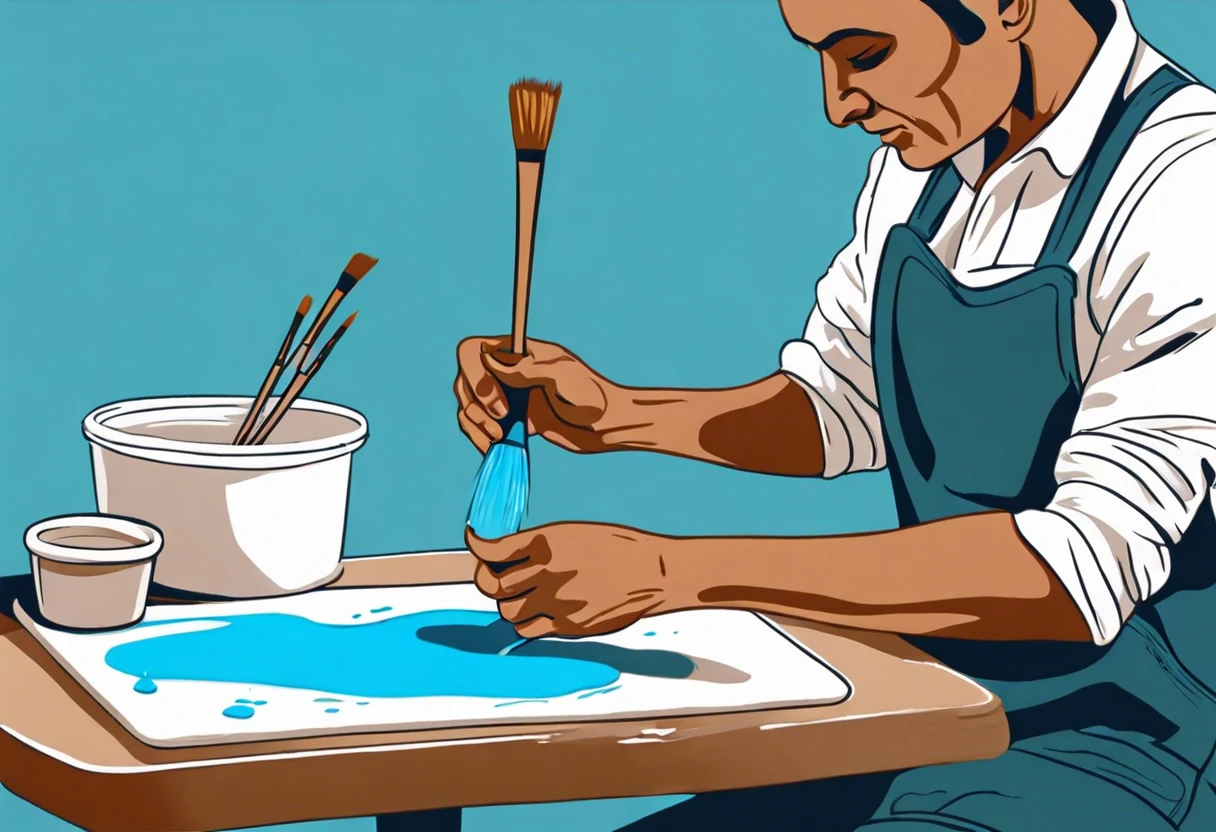
The Psychology of Light Blue Paint in Design
Have you ever noticed how colors affect mood? Light blue is no exception. Let’s dive into how it changes spaces.
-
Calming Effect
Light blue is known to evoke feelings of tranquility. It’s often used in bedrooms or spas to create a peaceful atmosphere.
-
Feeling of Openness
This color can make a room feel larger. It reflects light well, giving the illusion of space. Perfect for small areas!
-
Invoking Creativity
Many artists prefer light blue as it stimulates creativity while offering a refreshing vibe. It’s inspiring!
Color Mixing Tips for Perfecting Your Light Blue
Let’s refine your mixing skills, ensuring you achieve that dreamy light blue shade every time.
| Technique | Steps | Result |
|---|---|---|
| Layering | Apply light blue in layers, adjusting until you get the shade right. | Smooth transitions and depth. |
| Adding Tints | Add tiny amounts of other colors like green to shift the hue subtly. | Unique variations of light blue. |
| Mixing Slowly | Mix slowly for a consistent blend; a palette knife helps here! | No lumps and a smooth finish. |
Different Types Of Light Blue Paint You Can Create
Let’s explore the types: Pastel Blue, Sky Blue, Aqua, and Robin’s Egg Blue.
-
Pastel Blue
Pastel blue is a soft, pale hue made by mixing equal parts blue and white. Use a ratio of 1:1 for a soothing tone.
-
Sky Blue
Sky blue resembles a clear daytime sky and is created with a 2:1 mixture of blue and white. It’s bright yet calming, perfect for a sunny atmosphere.
-
Aqua
Aqua is a blend of blue and green, typically using a 3:1 ratio of blue to green. It’s vibrant and adds fresh energy to landscapes or abstract art.
-
Robin’s Egg Blue
This charming shade combines blue, a little green, and white. A mix of 2 parts blue, 2 parts white, and 1 part green yields a delightful result.
I’ve noticed that Pastel Blue resonates well in calm spaces like bedrooms. It creates a cozy illusion of tranquility that feels refreshing.
Factors Affecting the Shade Of Light Blue Paint
What factors should you consider when creating the perfect light blue hue?
-
Base Color: The base color you choose can significantly change the final shade.
-
Paint Medium: Different mediums can affect the vibrancy and transparency of light blue.
-
Additives: Materials like white or black can lighten or darken your light blue, impacting its brightness.
-
Mixing Technique: How you blend colors can create various shades, including mint green.
Common Issues Encountered When Making Light Blue Paint
When my friend tried to mix his light blue paint, he used too much white, making it overly pastel. It looked odd! He wanted a vivid shade, not baby blue.
To fix this, he mixed in ultramarine blue. With a 2:1 ratio of blue to white, he created a brighter, richer light blue, perfect for his project.
Finishing Touches and Application Tips for Your Light Blue Paint
After mixing your light blue paint, let it sit for 10-15 minutes. This step improves flow, giving you a smoother application on surfaces like canvas (1.5 Mm) or walls (12 Mm).
Inspect your final product for an even shade, checking for streaks or inconsistencies. Use a light gray primer, like Zinsser 123, to enhance the color’s vibrancy, ensuring you apply only one coat.
If this isn’t your first time, consider adding a drop of high-opacity titanium white to boost saturation. Use a mixer at about 160 rpm (Revolutions Per Minute) to improve blending.
Creative DIY Project Ideas Featuring Light Blue Paint
: Are you ready to breathe some artsy vibes into your space? I suggest painting your own abstract canvas and transforming old furniture with a splash of light blue paint!
: For the canvas, grab some acrylic paint, a few brushes, and a 16 x 20 inch (40 X 50 Cm) canvas. You can whip this up for about $20 to $30 and it’ll take only a couple of hours. For the furniture, sand it down, apply a primer, then give it a fresh coat of light blue. The whole process might run you about $50, plus a day of your time for prepping and painting!
: Want alternatives for how do you make light blue paint? Try mixing sky blue with a touch of white and a hint of purple to get a dreamy pastel twist! Another way is to use turmeric for a sunny or earthy feel—charming, right?
Frequently Asked Questions About Making Light Blue Paint
Now let us look at some questions I typically get asked about light blue paint.
How Can I Adjust the Shade Of Light Blue Paint After Mixing?
Yes, you can adjust the shade of light blue paint after mixing. Adding small amounts of white lightens the color, while adding a touch of darker blue deepens it. A little white or blue can make a big difference; just remember to mix well after each addition. If you want to ensure the best finish, you might want to protect your paint with a clear coat.
What Are the Best Mediums to Mix With Light Blue Paint?
Mixing light blue paint with acrylic medium enhances its flow and finish. Acrylic mediums come at various prices; for instance, a pint (473 Ml) can cost around $10. They also increase transparency, allowing for layered effects in your artwork. If you accidentally spill paint on your favorite shirt, you can remove acrylic paint 💰 Save on Heavy-Duty Paint Cleaning → from clothes with the right techniques.
Can I Use Light Blue Paint for Exterior Projects?
You can definitely use light blue paint for exterior projects. Exterior paints are formulated to withstand elements like rain and UV rays. Make sure to choose a product labeled for outdoor use to ensure durability; these often have added resins for weather resistance. If you’re looking to expand your painting skills beyond exteriors, painting techniques and tips offer another creative opportunity.
How Do Different Pigments Affect Light Blue Paint?
Different pigments can significantly affect the hue and opacity of light blue paint. For example, mixing phthalo blue with white yields a vivid light blue, while ultramarine gives a softer pastel shade. Keep in mind that pigment quality affects price and coverage; invest wisely. When selecting paint for specialized surfaces like aluminum boats, you’ll want to explore specific paint recommendations for aluminum.
What Should I Do if My Light Blue Paint is Too Dark?
If your light blue paint is too dark, try adding white paint to lighten the mixture. Start with a small amount of white, about 10% of the total paint, then mix thoroughly. This dilutes the darkness and brings out the lighter tones without compromising color integrity. When experimenting with paint modifications, you might want to explore professional paint removal techniques.
How Long Does Light Blue Paint Take to Dry?
Light blue paint typically takes about 1 to 2 hours to dry to the touch. However, full curing can range from days to weeks depending on the type of paint and environmental conditions. Humidity and temperature also play crucial roles, so always check the can for specific drying times. If you’re curious about unique paint characteristics and color interactions, paint color mysteries intrigue professionals.
Can I Mix Different Brands Of Light Blue Paint?
Yes, you can mix different brands of light blue paint, but be cautious. Some brands use different formulations that may affect blending. Test a small batch to ensure consistency and match in finish before committing to a larger mix. If your brushes become stiff during this process, you can restore your paint brush softness with proper cleaning techniques.
Also See: Can Home Depot Match Paint Colors? Learn the Process!
Conclusion: Successfully Creating Your Own Light Blue Paint
Congratulations on reaching the end! We’ve discussed the essential supplies, including white and blue paint, necessary tools like mixing cups and brushes, and provided you with a detailed step-by-step guide. You also learned about recommended color palettes, various shades of light blue, and how to troubleshoot common issues you might face.
To create light blue paint, simply blend equal parts of white paint with your chosen shade of blue, making adjustments to achieve your desired hue. Happy painting!
For additional insights and tips, check out Paint Answers.
Additional Resources
- Edwards, B. (2012). Drawing on the Right Side of the Brain. New York, NY: TarcherPerigee.
- MIXING BLUE COLORS: How To Make Dark Blue Paint With Light Blue (AT HOME) Cool For Draw – YouTube
- What Colors Make Blue – Learn How to Mix Blue Color Tones
- What Colors Make Blue? – How to Make Blue Paint Recipes
Isabella is a Filipino-American art writer and critic specializing in contemporary painting, blending her Filipino heritage with global art trends. She holds a BFA from California State University, Long Beach, and a Minor in Art History from the University of the Philippines. Isa has experience as a Gallery Assistant, Art Appraisal Specialist, and Social Media Creative for Art & Design.
Colors, Topics