Can You Paint Brass? Painting Tips, Techniques, Considerations
Published on: March 24, 2026 | Last Updated: January 29, 2026
Written By: Alisha Winters
Brass is a shiny, yellow metal made from copper and zinc. It’s like a treasure you can find in pipes or fancy decorations.
So, can you paint brass? It’s super important to know how before you start. I once painted a brass lamp, and believe me, the right prep makes all the difference—trust me!
In this guide, you’ll find out key details like important steps, paint options, any tricky issues, and fun project ideas. We’ll also chat about how to paint metal railings, and factors that affect the painting process. Let’s dive in!
Can You Paint Brass?
Absolutely! You can paint brass by first cleaning it well. Use a primer designed for metal, then add your favorite paint. If you’re wondering about specific painting techniques, chalk paint offers unique possibilities. This way, you’ll have a fresh look without losing the beautiful details of brass.
What is Brass?
Brass is an alloy made up of copper (Cu), usually 55-95% by weight, and zinc (Zn), which makes up the remainder. It’s valued for its corrosion resistance and attractive golden hue, with a density of about 8.5 g/cm³ (0.31 Lb/in³). If you’re interested in transforming brass surfaces, you might want to explore creative techniques for refinishing brass.
Now, can you paint brass? I remember refreshing an old brass fixture in my house. I had to prep it carefully—it’s more than just choosing a color.
In my experience, I used it in my job to create stylish décor in upscale interiors. Mastering techniques like how to paint metal railings can help you handle brass effectively. The process to ensure paint adheres well is critical for achieving stunning, long-lasting finishes. If you want to expand your color palette, you might want to learn specific paint mixing techniques.
Important Considerations Before You Start Painting Brass
What do you need to get started?
- Quality Primer: Use products like Rust-Oleum Universal Bonding Primer. It’s essential for proper adhesion to brass surfaces.
- Specialized Paint: Choose acrylic or enamel paints, such as Krylon Indoor/Outdoor. These provide durability and a smooth finish on brass.
- Fine Sandpaper 🔥 Deal: Assorted Grit Sandpaper → : Select 220-grit (Or Finer). Sandpaper is crucial for smoothing the brass and promoting paint adhesion.
- Cleaning Solution: Use denatured alcohol or vinegar to remove oils and grime for a clean surface before painting.
- Sealer: Apply a clear sealant like Minwax Polycrylic. A sealer protects your finished painted brass from scratches and wear.
We covered essential factors to consider when painting brass. We will now cover the steps to successfully paint brass.
Also See: Can You Paint a Mirror? Transform Your Reflection!
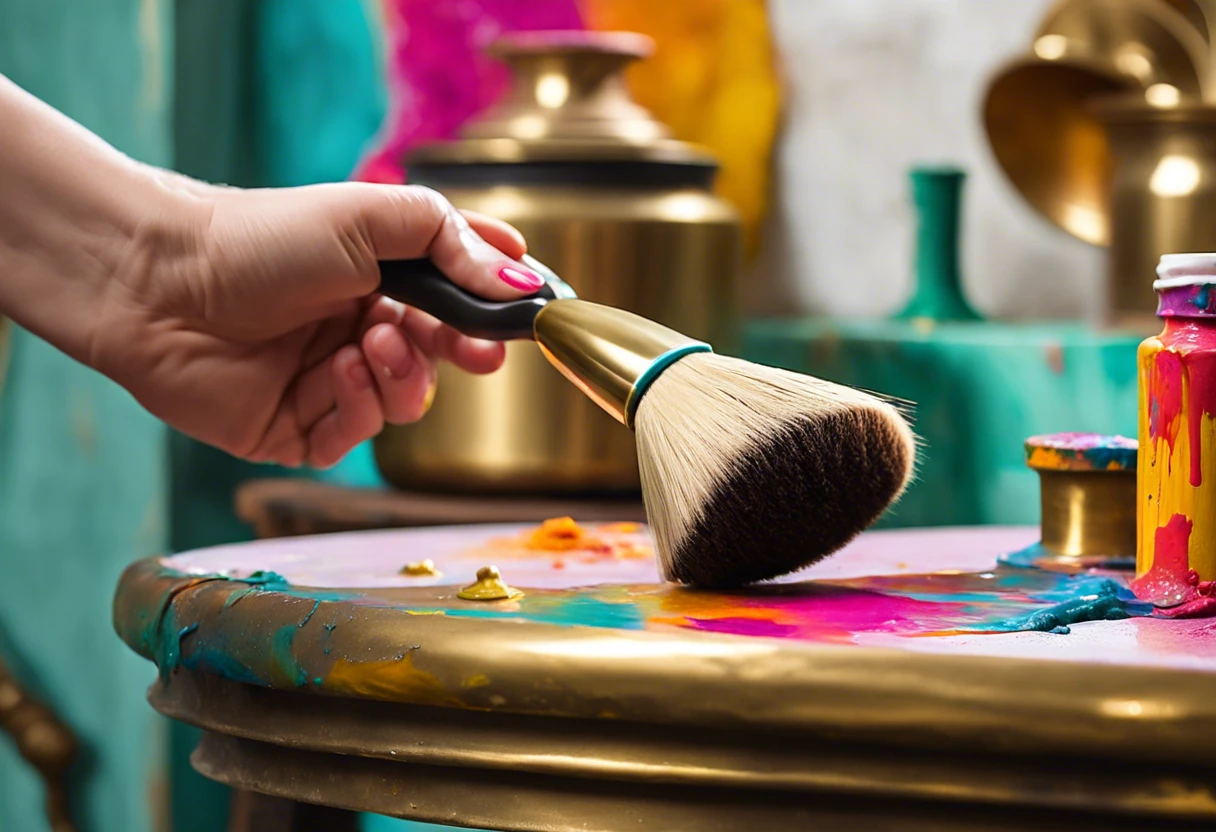
Steps to Successfully Paint Brass
Here are the essential steps for painting brass like a pro.
-
Prepare the Brass Surface
Start by thoroughly cleaning the brass. Use soapy water (0.5 L) with a clear rinse, followed by vinegar to remove tarnish.
Dry it completely. A dry surface ensures better paint adhesion.
-
Select the Right Paint
Choose high-quality oil-based or acrylic paint designed for metal surfaces. Ensure it’s suitable for brass without affecting its properties.
Avoid spray paints with low adhesion—look for ones with good reviews. Quality matters; I learned the hard way with a cheaper option that peeled off after weeks.
-
Apply Primer
Apply a metal primer uniformly to enhance adhesion. Use an aerosol can or brush, and let it dry according to package instructions, usually 1-2 hours.
For best results, aim for a layer thickness of about 0.05 mm (2 Mils). Priming seals the brass and keeps your paint durable.
-
Use Painting Techniques and Tips
Use gentle strokes to apply your paint, layering it gradually. Maintain a distance of about 30 cm (12 Inches) when spray painting to avoid drips.
Let each coat dry before applying the next. You’ll achieve a smooth finish with 2-3 coats, depending on your color choice.
-
Seal the Painted Surface
After the paint dries completely, apply a clear acrylic sealer. This step is crucial—sealants protect your finish from scratches and fading over time.
Choose a matte or gloss finish based on your preference. Waiting 24 hours before sealing allows the paint ample time to cure.
We’ve wrapped up the steps for successfully painting brass items here. Let us turn our attention to the recommended color palette.
Recommended Color Palette for Painting Brass Items
I suggest a warm vintage palette, combining rich gold, deep greens, and soft terracotta, to enhance the elegance of brass.
| Color Box | Hex Code | Color Name |
|---|---|---|
| #DDAA00 | Golden Brass | |
| #5A7722 | Forest Green | |
| #D6783E | Terracotta | |
| #E0B23C | Honey Amber |
You should now have a good understanding of the suggested color schemes for brass items and their aesthetic appeal. In the next part, we’ll discuss suitable paint types for brass items.
Types Of Paint Suitable for Brass Items
Let’s discuss types of paint: enamel, acrylic, spray paint, and primer.
-
Enamel Paint
Enamel paint creates a hard, glossy finish. For brass, choose an oil-based enamel for durability and excellent adhesion.
-
Acrylic Paint
Acrylic paint dries quickly and offers flexibility. Use a primer for better adhesion on brass.
-
Spray Paint
Spray paint provides an even coat on brass items. Opt for a metal-specific spray for strong coverage and protection.
-
Metal Primer
Metal primer prepares the surface for painting and enhances adhesion. A rust-inhibiting primer can prevent future corrosion on brass.
From my experience, enamel paint is my go-to for brass. It delivers a glossy finish and withstands wear and tear.
So far we covered the different paint options for brass items. Let’s look at the factors influencing the painting process next.

Factors Affecting the Painting Process Of Brass
What factors impact your ability to paint brass effectively?
-
Surface Preparation: If the brass isn’t clean and rough, paint won’t adhere.
-
Type of Paint: Some paints bond better with metals; ensure it’s suitable for brass.
-
Environmental Conditions: Humidity and temperature affect how well paint dries on brass.
-
Sealing and Topcoats: A sealant can enhance durability and protect the painted brass.
Common Issues Encountered When Painting Brass
My friend recently tried to paint brass door handles. They found the old finish stubborn, causing the paint to peel. Ugh!
To fix this, start by cleaning the surface thoroughly with fine (400-grit) sandpaper. Remove any residue, then apply a metal primer, like Rust-Oleum. Allow it to dry for 24 hours for the best results! If you’re looking to match your paint color precisely, you might want to get touch-up paint from dealership.
Finishing Touches: Enhancing Your Painted Brass
After painting, protect your brass with a clear coat, like Rust-Oleum’s Clear Enamel Spray. Apply it evenly and let it dry for 24 hours.
Inspect your brass every three months. Check for peeling or bubbling paint, which may indicate poor adhesion or moisture damage. Clean any spots with a multi-surface cleaner like Simple Green.
Ensure proper curing at a controlled room temperature of 20°C to 25°C (68°F to 77°F) for at least two weeks. This optimizes paint durability on brass.
Creative DIY Project Ideas Featuring Painted Brass
Have you ever thought about jazzing up your home with some cool painted brass accents? How about creating a stunning brass flower vase or a chic key holder?
I’d start by cleaning the brass thoroughly with a mixture of vinegar and baking soda—it’ll shine like new! For materials, you’ll need brass items, acrylic paint, and some clear sealant; expect to spend around $20-$30 and a few hours for a weekend-style project. If you’re considering alternative decorative techniques, you might want to explore painting ceramic floor tiles for a fresh look.
Now, if you’re wondering “can you paint brass?” there’s always the option to use brass leaf, which gives that luxe look without the hassle of paint. Or, for something wild, try wrapping brass items in colorful washi tape—you’ll relish the surprises it creates! When exploring creative painting techniques, you might want to check out some professional artistic painting methods.
Different Finishes for Painted Brass
Which finish should you choose for your brass? Here are some options.
| Finish Type | Description | Best For |
|---|---|---|
| Matte Finish | Soft, non-reflective appearance that hides imperfections. | Modern and rustic styles. |
| Semi-Gloss Finish | Balanced finish that reflects some light without being too shiny. | Everyday use items and furniture. |
| High Gloss Finish | Highly reflective sheen that offers a glamorous look. | Decorative pieces and accents. |
Popular Trends in Brass Painting
What’s hot in the world of painted brass? Here are some cool trends!
- Bold Colors: Think royal blue or deep green, making your brass pop!
- Color Blocking: Use contrasting colors in sections for a unique vibe.
- Textured Finishes: Adding texture can evoke an artisanal feel, like hammered or matte.
Benefits of Painting Brass
Why would you paint brass instead of leaving it as is? Here are some good reasons to consider painting.
| Benefit | Description |
|---|---|
| Color Customization | You can choose any color that matches your decor ideas. |
| Improved Durability | Quality paint adds a protective layer against scratches and tarnishing. |
| Revamping Old Pieces | Give new life to outdated brass items. |
| Hiding Imperfections | Paint conceals scratches and blemishes for a flawless look. |
FAQ
Now let us look at some frequently asked questions I typically get asked about painting brass.
Can Brass Be Painted Over Existing Finish?
Yes, you can paint brass over an existing finish. However, it’s crucial to clean and prep the surface properly to ensure optimal adhesion.
What Type Of Paint Works Best on Brass?
Acrylic latex or oil-based paints work best on brass. Acrylics provide excellent durability, while oil-based options offer a smooth finish, ideal for wood trim.
Do I Need a Special Primer for Brass?
Yes, using a metal primer designed for non-ferrous metals is essential when painting brass. This option improves adhesion, ensuring your paint doesn’t chip or peel.
How Long Does Painted Brass Last?
Painted brass can last several years if maintained properly. Factors like environmental exposure and quality of materials contribute to longevity, sometimes exceeding 5 years.
Can I Remove Paint From Brass?
Yes, you can remove paint from brass using paint strippers or careful sanding. It’s vital to proceed gently to avoid damaging the brass underneath.
How Should I Prepare Brass for Painting?
Prepare brass for painting by cleaning it thoroughly with soap and water, followed by sanding to create a rough surface. This process enhances adhesion and improves paint performance.
Can I Clear Coat Brass After Painting?
Yes, applying a clear coat over painted brass adds an extra layer of protection. It shields against chipping and helps maintain the paint’s vibrancy for a longer time.
Also See: Can You Paint Aluminum Clad Windows? Learn How!
Conclusion
We are almost done. We covered what brass is, the considerations before painting, steps for success, recommended colors, types of paint, factors impacting the process, common issues, finishing options, and creative DIY project ideas.
So, can you paint brass? Yes, you certainly can with the right prep work, suitable paint, and methods. Wishing you success in your welding projects and enjoy painting your brass items.
For more insights and resources, visit our homepage at Paint Answers for additional expert blogs and helpful advice.
Useful Resources
- Gurney, J. (2009). Color and Light: A Guide for the Realist Painter. Kansas City, MO: Andrews McMeel Publishing.
- How to Paint Brass: 12 Steps (with Pictures) – wikiHow
- How do I paint brass black? | Photrio.com Photography Forums
Experienced interior designer with 15+ years in transforming spaces, blending artistry with expertise in color and design. Rhode Island School of Design graduate, specializing in restorations and modern makeovers.
Material, Metal