How Does Oil Paint Dry?
Published on: December 20, 2025 | Last Updated: October 1, 2025
Written By: paint_answered
Oil paint is a special kind of paint made from tiny colored bits and oil. You can create beautiful images with it, and it makes colors pop!
So, how does oil paint dry? It’s super important to know this because it affects your artwork. I once painted a big canvas and had to wait days for it to dry; learning about the drying time really helped me improve my technique.
In this guide, we’ll explore how oil paint dries, essential prep before painting, steps in the drying process, factors that affect drying time, and common issues when you’re learning. You’ll also learn how long oil paint takes to dry and tips on how to get oil-based paint to dry faster.
Contents
- 1 How Does Oil Paint Dry?
- 2 What is Oil Paint?
- 3 Essential Preparations Before You Start Painting
- 4 Steps in the Drying Process Of Oil Paint
- 5 Understanding the Oxidation Process in Oil Paint Drying
- 6 How Environmental Conditions Impact Oxidation
- 7 The Role of Additives in the Oil Drying Process
- 8 Different Types Of Oil Paint and Their Drying Properties
- 9 Factors Affecting the Drying Time Of Oil Paint
- 10 Common Issues When Learning How Oil Paint Dries
- 11 Related Concepts: Understanding Oil Paint Drying
- 12 Finishing Touches: Techniques to Enhance Your Drying Process
- 13 Frequently Asked Questions About How Oil Paint Dries
- 14 Conclusion
- 15 Useful Resources
How Does Oil Paint Dry?
Oil paint dries through oxidation. As the oils in the paint react with air, they harden over time. This process can take anywhere from days to months. Factors like thickness and temperature can speed it up or slow it down.
What is Oil Paint?
Oil paint is a mixture of pigments suspended in oil, usually linseed oil. It has a rich history dating back to the 15th century and remains popular among artists for its versatility and depth of oil painting. When applying oil paint to large surfaces, professional artists often rely on specialized advanced painting techniques and tools.
Oil paint takes time to dry; it can take several days to months to dry completely, depending on layer thickness. I remember the suspense of waiting to see how a painting evolved as it dried—each layer revealed new textures and subtleties.
I used oil paint frequently for my job, especially for landscapes. Watching the layers dry taught me patience and the importance of timing. Drying time can vary; thin layers may dry in 24 hours, while thicker applications might take days. The excitement—and sometimes anxiety—definitely adds to the artwork’s journey. Professional painters often prefer alkyd paint for faster drying.
Essential Preparations Before You Start Painting
What do you need to prepare for?
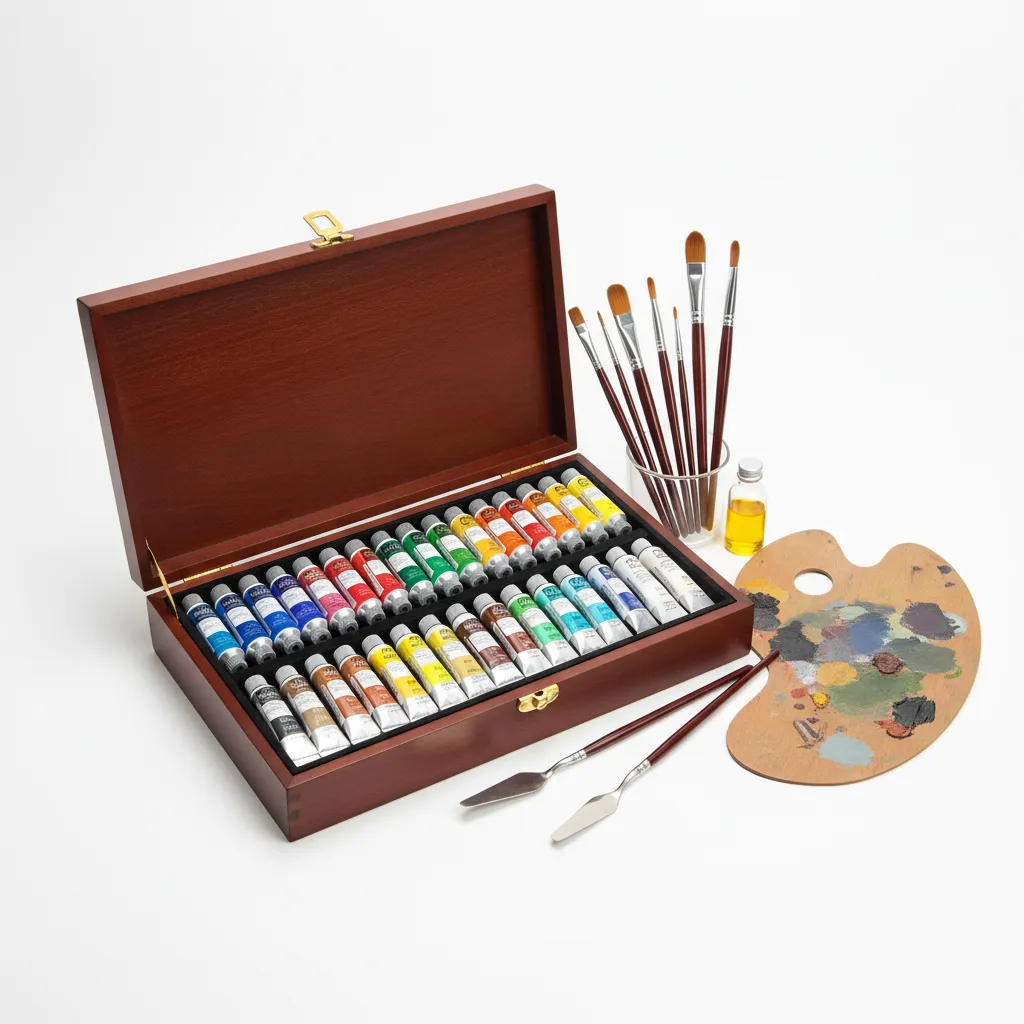
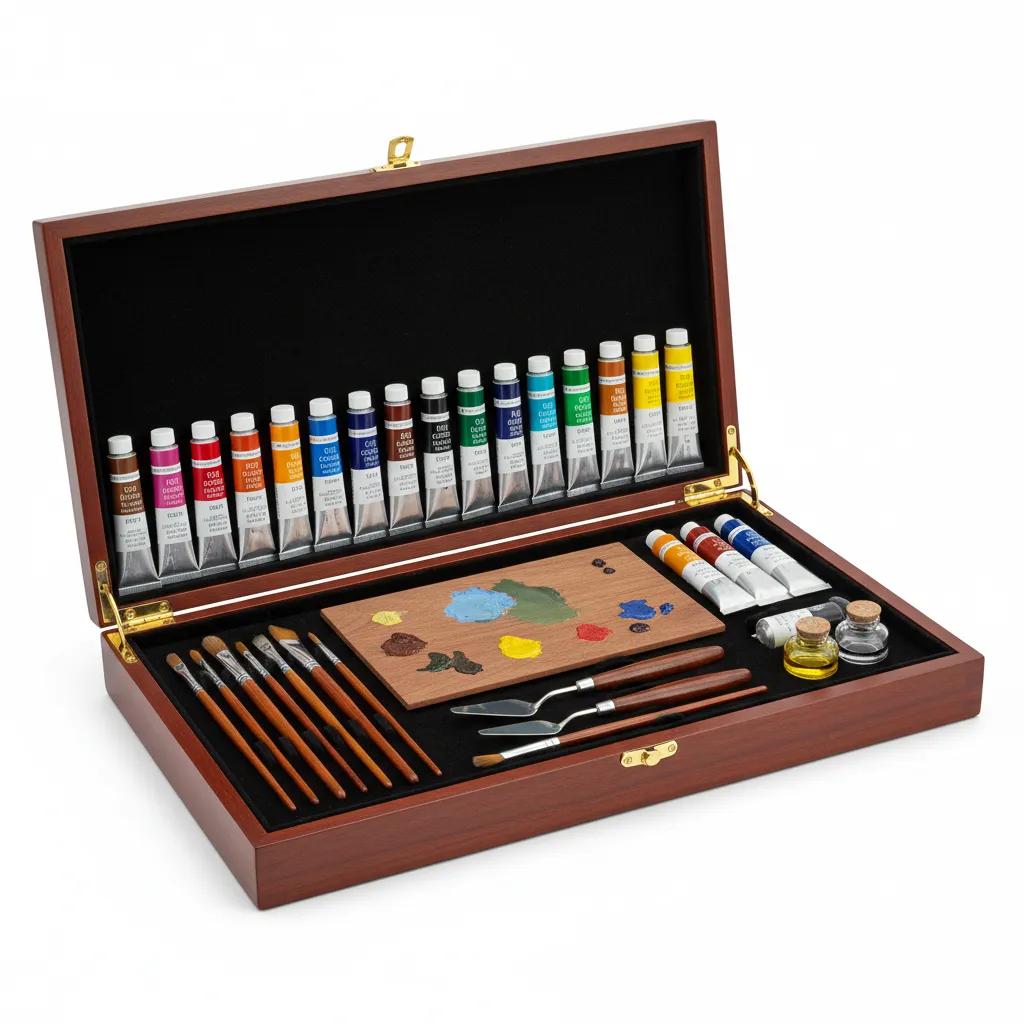
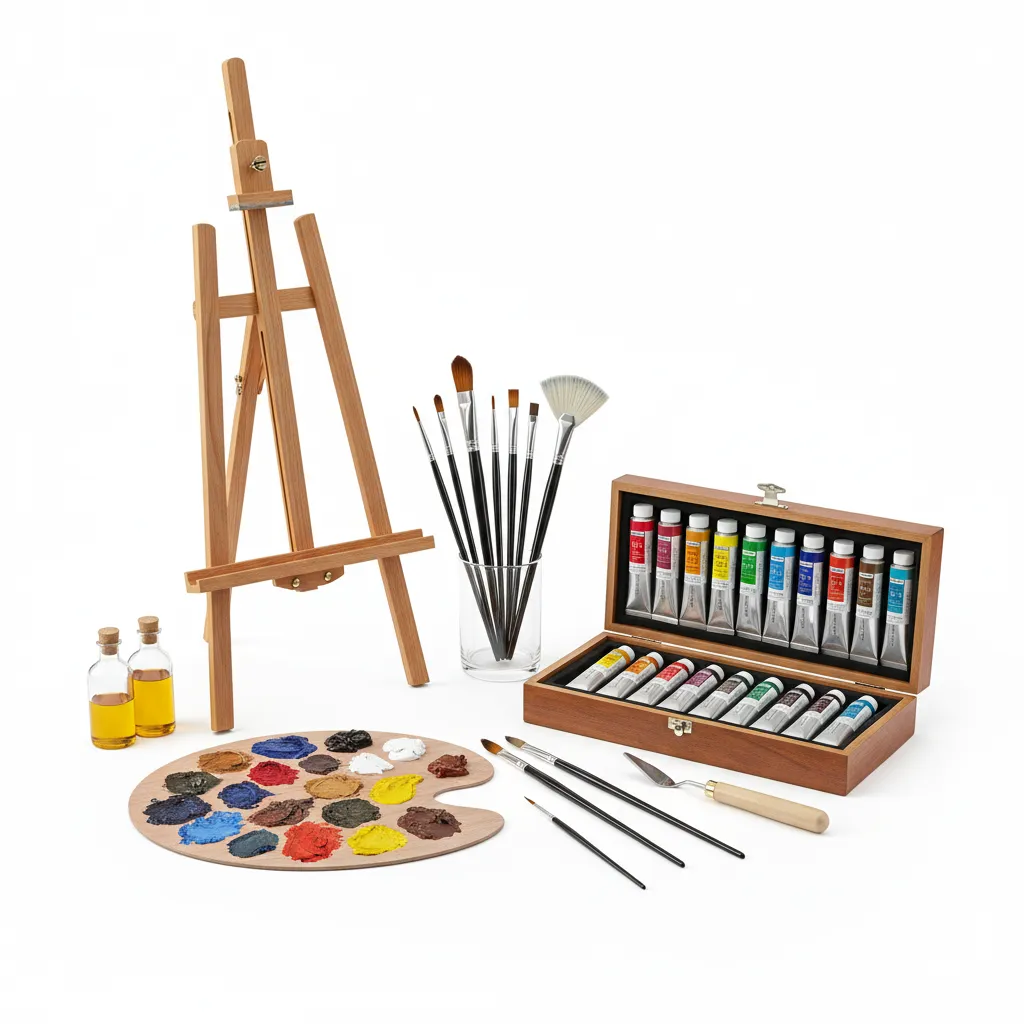
- Quality Oil Paints: Choose brands like Winsor & Newton or Gamblin. They’re essential for smooth application and even drying.
- Brushes: Invest in durable brushes, such as the Da Vinci Maestro series. They help control paint better during application.
- Palette: Use a wooden palette, like the Richard underside one. It allows for easier mixing and manages drying time.
- Linseed Oil: Buy cold-pressed linseed oil, like Utrecht. It extends drying time for smoother blends and layers.
- Drop Cloths: Use washable drop cloths, such as canvas. They’re necessary to protect your workspace from spills.
We covered crucial preparations for painting. We will now cover the steps involved in the drying process of oil paint.
Also See: Can You Spray Paint Shoes? Tips for a Colorful Look!
Steps in the Drying Process Of Oil Paint
Let’s cover how oil paint dries effectively and efficiently.
-
Choosing the Right Medium
Select an appropriate medium like linseed oil or turpentine. Each medium affects drying times differently; for example, linseed oil typically dries in 2–4 days, while turpentine may reduce that time by half.
I prefer linseed oil for its ability to retain color vibrancy. Remember, a thinner medium promotes faster drying but might slightly alter the texture.
-
Layering Techniques to Manage Drying Time
Use the “fat over lean” method. Start with thin, lean layers and gradually increase the oil content in your paint to prevent cracking during drying.
If you apply thick layers, allow at least 5–6 days for each to dry before adding more. This spacing helps your artwork breathe and acclimate.
-
Environmental Conditions for Optimal Drying
Control the temperature and humidity in your workspace. Oil paints dry faster in warm (20–25°C or 68–77°F) and dry (40–70% Humidity) conditions.
I once painted in a humid room, which stalled the drying process for nearly three weeks! Ensure good airflow to speed things up.
-
Application Thickness and Its Impact
Always consider the thickness of your paint applications. Thicker applications can take weeks to cure, while a 1 mm layer might dry in a few days.
If you’re impatient, try a palette knife technique, which spreads paint thinner and more evenly. This way, your work will dry much faster.
That covers the steps involved in drying oil paint. Let’s now take a look at the oxidation process in drying.
Understanding the Oxidation Process in Oil Paint Drying
Oxidation is key to how oil paint dries. Let’s break it down!
-
What is Oxidation?
Oxidation occurs when oxygen molecules from the air react with the oil in the paint. This chemical reaction causes the oil to harden.
-
Stages of Oxidation
There are three main stages in the oxidation process:
- Initial Stage: Here, the surface dries within hours, forming a skin that protects the underlayers.
- Middle Stage: This stage can last several days. The paint beneath continues to undergo oxidation.
- Final Stage: This phase can take months. The paint cures fully, developing its final strength and finish.
We have now covered the oxidation process in oil paint drying. Next, we will explore how environmental conditions influence oxidation.
How Environmental Conditions Impact Oxidation
Environmental factors significantly affect how oil paint dries.
| Condition | Impact on Drying | Optimal Levels |
|---|---|---|
| Temperature | Warmer temperatures speed up oxidation. | 20-25°C (68-77°F) |
| Humidity | Low humidity facilitates faster drying. | Below 50% |
| Air Circulation | Good airflow enhances oxidation, speeding up drying. | Moderate air movement |
We covered how environmental conditions affect oxidation. We will now cover the role of additives in the oil drying process.
The Role of Additives in the Oil Drying Process
Additives can alter drying times significantly. Let’s clarify!
- Linseed Oil: Enhances flow and help with drying, making it a go-to for many artists.
- Drying Mediums: Products like Liquin and Galkyd can cut drying time considerably.
- Surface Preparation: Applying a primer like gesso helps paint adhere and dry evenly.
Different Types Of Oil Paint and Their Drying Properties
Let’s explore the fascinating world of oil paints: Linseed, Safflower, Poppy, and Walnut.
-
Linseed Oil Paint
Linseed oil paint dries quickly, typically within 1-7 days, depending on thickness and environmental conditions.
-
Safflower Oil Paint
Safflower oil paint dries more slowly, taking about 7-14 days. It’s valued for its light color and reduced yellowing compared to linseed oil paint.
-
Poppy Oil Paint
Poppy oil paint dries quickly, in about 6-10 days, and is less prone to yellowing. Artists often prefer it for whites and lighter hues.
-
Walnut Oil Paint
Walnut oil paint dries at a moderate rate of about 5-12 days. It provides a smooth finish, making it ideal for glazes and transparency in paintings.
Reflecting on my experiences, Poppy oil paint stands out. It’s my favorite for its quick drying times and ability to preserve colors without yellowing.
Factors Affecting the Drying Time Of Oil Paint
What factors influence the drying speed of your oil paint?
-
Thickness of Application: Thick layers take much longer to dry completely than thin ones.
-
Type of Oil Used: Different oils, like linseed or walnut, dry at varying rates, affecting overall drying time.
-
Temperature: Warmer conditions speed up drying, while cooler temperatures slow it down significantly.
-
Humidity Levels: High humidity can prolong drying time, while low humidity helps paint dry faster.
Common Issues When Learning How Oil Paint Dries
My friend struggled with uneven drying while working on a portrait. One side dried faster, creating a jarring contrast.
To fix this, mixing in drying agents like Stand Oil (Which Speeds Up the Process) ensures even drying. Note that oil paint usually takes 6-12 days (144-288 Hours) to fully dry, depending on thickness. If you’re looking to enhance your paint’s appearance, you might want to experiment with glitter additives.
Related Concepts: Understanding Oil Paint Drying
Let’s look at some concepts that tie into the drying process and enhance your understanding.
The Role of Pigments in Drying
Different pigments affect drying times. Some dyes are heavier or lighter, influencing how they interact with oils. Here’s a quick look:
| Pigment Name | Drying Speed | Effect on Color |
|---|---|---|
| Cadmium Red | Medium | Stays vibrant, excellent for richness. |
| Cobalt Blue | Slow | Avoids excessive quickness, but can yellow. |
| Titanium White | Fast | Brightens colors without compromising depth. |
| Alizarin Crimson | Medium | Great for tonal variety, slower drying. |
Using Drying Agents
Drying agents can help speed up oil paint drying. Here’s how they work:
- Cobalt Siccative: A popular drying agent that can cut drying time in half.
- Stand Oil: A thicker variant that offers a glossy finish and faster drying.
- Sunlight/Heat: Create a controlled environment; make sure exposure is moderate to avoid texture issues.
In my experience, using drying agents can result in smoother, quicker results. Just remember not to overdo it—balance is key!
The Importance of Texture on Drying Times
The texture you create with your brush or palette knife also impacts drying. Here’s a simple breakdown:
- Thick Strokes: These can take weeks to dry; use sparingly.
- Thin Layers: These will dry quickly and allow for quick adjustments.
- Texture Variations: Use techniques to minimize build-up for even drying.
I’ve experimented with various textures, and I find thin layers offer beautiful depth without the long wait. Trust me, it makes the journey much more enjoyable!
Finishing Touches: Techniques to Enhance Your Drying Process
After exploring the drying dynamics, consider temperature management. Keep your painting in a room between 18-24°C (64-75°F) for optimal drying speed and reduce humidity to below 50%.
Use a micrometer to inspect thickness. A 1 mm dip coat may need 2-4 weeks to fully dry, depending on the pigment and binder used. I always check with a brand like Grumbacher.
From one expert to another, improve your skills with ventilation. Use a fan to circulate air and reduce stickiness; this can accelerate drying time by over 50% for thick layers.
Frequently Asked Questions About How Oil Paint Dries
What is the Average Drying Time for Oil Paint?
The average drying time for oil paint varies from 6 to 24 hours for the surface to dry. Temperatures, humidity, and paint thickness affect the time, with thicker layers taking much longer, sometimes even weeks for complete curing.
Can Oil Paint Dry Faster With Additives?
Yes, oil paint can dry faster with additives. Using drying agents like cobalt siccatives can speed up drying times from several days to just a few hours, but it’s crucial to use them sparingly to avoid overly fast drying, which can affect texture. If you’re curious about alternative methods for accelerating paint drying, you might want to explore baking paint techniques.
Should I Use a Heat Source to Speed Up Drying?
It’s not recommended to use a heat source to speed up drying oil paint. High heat can create cracks in the paint and affect color mixing. Ideally, let oil paint dry naturally in a well-ventilated space at room temperature around 20°C (68°F).
What Happens if Oil Paint Doesn’t Dry Properly?
If oil paint doesn’t dry properly, it can lead to sticking, discoloration, and deterioration of your artwork. It may also remain tacky for a long period, interfering with framing and displaying your piece safely. When working with different paint mediums, artists often need specific techniques to manage paint consistency and drying times, which is why adjusting paint viscosity matters.
Are There Any Tips for Storing Wet Oil Paint?
Yes, there are tips for storing wet oil paint. Seal wet paintings in a cool, dry place at approximately 15-20°C (59-68°F) and keep them protected from dust or unwanted contact. Using cardboard corners can protect the edges from smudging. If you’re looking to touch up paint on cabinets, art spray guns offer precise painting techniques.
How Long Do Oil Paintings Take to Fully Cure?
Oil paintings can take 6 months to several years to fully cure. Full curing involves hardening all layers of paint, which depends on factors like paint thickness and environment. A thin layer dries faster than a thick one due to reduced chances of layered solvents remaining trapped. If you’re struggling with paint removal or want to understand the nuances of paint solvents, you might find helpful techniques for removing paint with alcohol.
Is There a Difference in Drying Time Between Oil Paint and Enamel Paint?
Yes, there’s a significant difference in drying time between oil paint and enamel paint. Oil paints can take several days to weeks to dry, while enamel paints might dry to the touch within hours, but still can take days to cure fully depending on conditions. If you’re considering painting your apartment walls, you might want to check apartment painting guidelines to ensure proper application and drying techniques.
Conclusion
We covered a lot about oil paint drying, including its definition, essential preparations, steps in the drying process, color palette recommendations, various types of oil paint, factors affecting drying time, common issues, finishing techniques to improve drying, and DIY project ideas.
So, how does oil paint dry? It dries through oxidation and may take anywhere from days to years, based on factors like paint type, thickness, and environmental conditions—the more you know, the better you paint.
If you’ve found this information helpful, explore more insights and resources on Paint Answers for your painting journey.
Useful Resources
- Gurney, J. (2009). Color and Light: A Guide for the Realist Painter. Kansas City, MO: Andrews McMeel Publishing.
- What Happens When Oil Paint Dries?
- How Long Does Oil Paint Take To Dry? (2 Ways to speed it up) | Picazzo Painting Corp